Valtek VR Spring Cylinder Rotary Actuators
VLAIM031-14 (EN/AQ) May 2023
Page 12 of 13
14. Troubleshooting Guide
Failure Probable Cause Corrective Action
Actuator operates,
lever arm does not
rotate
1. Broken actuator stem.
2. Broken pivot pin.
3. Sheared connection at splined lever arm.
1. Replace actuator stem.
2. Replace pivot pin.
3. Replace splined lever arm or valve shaft.
Jerky shaft
rotation
1. Cylinder wall not lubricated.
2. Worn piston O-ring or load bearing ring,
allowing piston to gall on cylinder wall.
3. Worn (or damaged) valve thrust bearings, shaft
bearings or packing followers.
1. Lubricate cylinder with silicone lubricant.
2. Replace O-ring or load bearing ring; if galling
has occurred, replace all damaged parts.
3. Disassemble and inspect parts; replace any worn
or damaged parts.
High air
consumption or
leakage
1. Leaks in the air supply or instrument signal
system.
2. Malfunctioning positioner.
3. Leaks through O-rings or adjusting screw
gasket.
4. Worn O-rings in sliding stem seal
assembly.
1. Tighten connections and replace any leaking
lines.
2. Refer to positioner's maintenance
instructions.
3. Replace O-rings or gasket.
4. Replace assembly.
Table 2: Troubleshooting recommendations.
15. Disposal
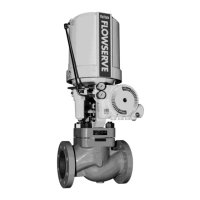
Up to 95 % of the Valtek VR rotary actuator is metal. The
remaining materials are synthetic, rubber, paint and lubricants.
Potential hazards and their sources are under
the operator‘s influence. The operator must
observe national and international environmental conditions for
rotary actuator removal from the pipeline and cleaning.
Permissible limit values must be maintained to ensure suitable
protective measures; service personnel must be properly
instructed in performing the disassembly and reassembly
procedure.
The valve should be professionally disassembled and
reassembled. Metal parts should be scrapped, with the
remaining materials disposed of according the national
conditions.
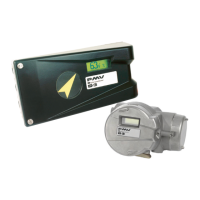
Peripheral units (accessories) should be recycled according the
relevant manufacturer‘s User Instructions.




 To Next Page