EasyManua.ls Logo

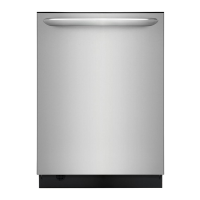
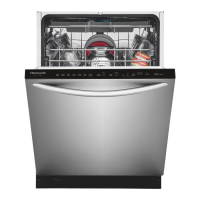
Frigidaire FGID2476SF1A - User Manual

Frigidaire FGID2476SF1A
20 pages
Print Icon
To Next Page IconTo Next Page
Loading...
TABLE OF CONTENTS
www.frigidaire.com USA 1-800-944-9044 www.frigidaire.ca Canada 1-800-265-8352
All about the
Use & Care
of your Dishwasher
117886623 RevA (April 2019)
Important Safety Instructions ..................... 2
Product Registration ..................................3
Features at a Glance .................................. 4
Operating Instructions ...............................5
Preparing and Loading Dishes ....................9
Dishwasher Dispenser & Detergents .........13
Factors Affecting Performance .................. 15
Care and Cleaning ................................... 16
Before You Call ....................................... 17
Major Appliance Warranty ........................ 20
Question and Answer IconNeed help?

Do you have a question about the Frigidaire FGID2476SF1A and is the answer not in the manual?

Summary

IMPORTANT SAFETY INSTRUCTIONS

General Safety Precautions

Follow basic precautions, including electrical grounding, proper usage, and keeping children away.

PRODUCT REGISTRATION

Getting Started with Your Dishwasher

Step-by-step guide to loading, adding detergent, and starting your new dishwasher.

FEATURES AT A GLANCE

Starting a Wash Cycle

Overview of dishwasher components and the procedure to initiate a wash cycle.

OPERATING INSTRUCTIONS

Wash Cycle and Option Selections

Guidance on choosing wash cycles, temperatures, and options like Hi-Temp and Sanitize.

OPERATING INSTRUCTIONS

Heat Dry and My Favorite Cycle

Details on Heat Dry option and programming the My Favorite Cycle feature.

Child Lock Controls and Delay Start

How to use Child Lock to prevent accidental changes and set a Delay Start.

Cycle Interruption and Status Indicators

Managing cycle interruptions and understanding status indicator lights like CLEAN and SANITIZED.

OPERATING INSTRUCTIONS

Status Window and Error Codes

Explanation of the status window and troubleshooting common error codes.

OPERATING INSTRUCTIONS

Dishwasher Cycle Chart

Comparison of wash cycles, settings, water usage, and times.

PREPARING AND LOADING DISHES

Dish Preparation and Upper Rack Loading

Steps for preparing dishes and guidance on loading the upper rack for optimal cleaning.

PREPARING AND LOADING DISHES

Adjustable Upper Rack and Fold-down Tines

How to adjust upper rack height and use fold-down tines for flexible loading.

Bottom Rack Loading Guidelines

Best practices for loading plates, bowls, and cookware into the bottom rack.

PREPARING AND LOADING DISHES

Fold-down Tines Bottom Rack

Using fold-down tines in the bottom rack for versatile loading of large items.

Cup Shelf and Stemware Holders

Functionality of cup shelves and stemware holders for secure glass placement.

PREPARING AND LOADING DISHES

Soft Grip Rack and Silverware Basket Loading

Securing glassware with soft grip rack and proper loading of silverware.

Adding Items Mid-Cycle

Procedure for adding or removing items after a wash cycle has started.

DISHWASHER DISPENSER & DETERGENTS

Filling the Detergent Dispenser

Instructions on how to fill the main wash cup with automatic dishwasher detergent.

DISHWASHER DISPENSER & DETERGENTS

Detergent Dosage Chart by Water Hardness

Guidance on the amount of detergent needed based on water hardness levels.

FACTORS AFFECTING PERFORMANCE

Rinse Aid Functionality and Dosage Adjustment

How rinse aid improves drying and spotting, and how to adjust its dosage level.

Optimal Water Pressure and Temperature

Requirements for water pressure (20-120 psi) and temperature (at least 120°F) for performance.

CARE AND CLEANING

Exterior Cleaning and Drain Air Gap Maintenance

Cleaning the dishwasher exterior and ensuring the drain air gap is clear for proper draining.

Cylinder Fine and Coarse Filter Cleaning

Instructions for removing and cleaning the fine and coarse filters to maintain wash performance.

WINTERIZING PROCEDURES

Disconnecting and Restoring Dishwasher Service

Steps for safely disconnecting the dishwasher for winter and restoring it for use.

Troubleshooting Food Soils and Drying Issues

Addresses common issues like food soils left on dishes and dishes not drying properly.

BEFORE YOU CALL

Glassware, Dishware, and Water Issues

Resolving issues like cloudy glassware, chipped dishes, water in the tub, and stains.

Dishwasher Operation and Leak Troubleshooting

Addressing problems like long cycle times, normal sounds, leaks, etching, and detergent dispenser issues.

BEFORE YOU CALL

Vent Vapor, Startup, Fill, and Drain Issues

Troubleshooting vent vapor, dishwasher not running, not filling, or not draining properly.

Odor, Stains, and Door Opening Resolution

Resolving issues related to odors, tub stains, and door opening during a cycle.

Removing Spots and Film with Vinegar

A specific method to remove spots and film from dishes using white vinegar.

MAJOR APPLIANCE WARRANTY

Warranty Coverage and Exclusions

Details on what the one-year limited warranty covers and specific exclusions.

Implied Warranties and Service Information

Information on disclaimers, limitations of remedies, and how to obtain warranty service.

Summary

IMPORTANT SAFETY INSTRUCTIONS

General Safety Precautions

Follow basic precautions, including electrical grounding, proper usage, and keeping children away.

PRODUCT REGISTRATION

Getting Started with Your Dishwasher

Step-by-step guide to loading, adding detergent, and starting your new dishwasher.

FEATURES AT A GLANCE

Starting a Wash Cycle

Overview of dishwasher components and the procedure to initiate a wash cycle.

OPERATING INSTRUCTIONS

Wash Cycle and Option Selections

Guidance on choosing wash cycles, temperatures, and options like Hi-Temp and Sanitize.

OPERATING INSTRUCTIONS

Heat Dry and My Favorite Cycle

Details on Heat Dry option and programming the My Favorite Cycle feature.

Child Lock Controls and Delay Start

How to use Child Lock to prevent accidental changes and set a Delay Start.

Cycle Interruption and Status Indicators

Managing cycle interruptions and understanding status indicator lights like CLEAN and SANITIZED.

OPERATING INSTRUCTIONS

Status Window and Error Codes

Explanation of the status window and troubleshooting common error codes.

OPERATING INSTRUCTIONS

Dishwasher Cycle Chart

Comparison of wash cycles, settings, water usage, and times.

PREPARING AND LOADING DISHES

Dish Preparation and Upper Rack Loading

Steps for preparing dishes and guidance on loading the upper rack for optimal cleaning.

PREPARING AND LOADING DISHES

Adjustable Upper Rack and Fold-down Tines

How to adjust upper rack height and use fold-down tines for flexible loading.

Bottom Rack Loading Guidelines

Best practices for loading plates, bowls, and cookware into the bottom rack.

PREPARING AND LOADING DISHES

Fold-down Tines Bottom Rack

Using fold-down tines in the bottom rack for versatile loading of large items.

Cup Shelf and Stemware Holders

Functionality of cup shelves and stemware holders for secure glass placement.

PREPARING AND LOADING DISHES

Soft Grip Rack and Silverware Basket Loading

Securing glassware with soft grip rack and proper loading of silverware.

Adding Items Mid-Cycle

Procedure for adding or removing items after a wash cycle has started.

DISHWASHER DISPENSER & DETERGENTS

Filling the Detergent Dispenser

Instructions on how to fill the main wash cup with automatic dishwasher detergent.

DISHWASHER DISPENSER & DETERGENTS

Detergent Dosage Chart by Water Hardness

Guidance on the amount of detergent needed based on water hardness levels.

FACTORS AFFECTING PERFORMANCE

Rinse Aid Functionality and Dosage Adjustment

How rinse aid improves drying and spotting, and how to adjust its dosage level.

Optimal Water Pressure and Temperature

Requirements for water pressure (20-120 psi) and temperature (at least 120°F) for performance.

CARE AND CLEANING

Exterior Cleaning and Drain Air Gap Maintenance

Cleaning the dishwasher exterior and ensuring the drain air gap is clear for proper draining.

Cylinder Fine and Coarse Filter Cleaning

Instructions for removing and cleaning the fine and coarse filters to maintain wash performance.

WINTERIZING PROCEDURES

Disconnecting and Restoring Dishwasher Service

Steps for safely disconnecting the dishwasher for winter and restoring it for use.

Troubleshooting Food Soils and Drying Issues

Addresses common issues like food soils left on dishes and dishes not drying properly.

BEFORE YOU CALL

Glassware, Dishware, and Water Issues

Resolving issues like cloudy glassware, chipped dishes, water in the tub, and stains.

Dishwasher Operation and Leak Troubleshooting

Addressing problems like long cycle times, normal sounds, leaks, etching, and detergent dispenser issues.

BEFORE YOU CALL

Vent Vapor, Startup, Fill, and Drain Issues

Troubleshooting vent vapor, dishwasher not running, not filling, or not draining properly.

Odor, Stains, and Door Opening Resolution

Resolving issues related to odors, tub stains, and door opening during a cycle.

Removing Spots and Film with Vinegar

A specific method to remove spots and film from dishes using white vinegar.

MAJOR APPLIANCE WARRANTY

Warranty Coverage and Exclusions

Details on what the one-year limited warranty covers and specific exclusions.

Implied Warranties and Service Information

Information on disclaimers, limitations of remedies, and how to obtain warranty service.

Overview

This document is a comprehensive Use & Care Manual for a Frigidaire dishwasher, providing detailed instructions for its operation, maintenance, and troubleshooting. It emphasizes the appliance's energy-efficient design and quiet operation, highlighting its DishSense™ Technology, which intelligently adjusts wash cycles based on soil load.

Function Description

The Frigidaire dishwasher cleans dishware by spraying a mixture of hot water and detergent through spray arms against soiled surfaces. The process involves an initial drain to remove loose soils, followed by filling the tub with water to cover the filter area. Water is then pumped through the spray arms, and soil particles are filtered and drained out. This sequence of steps is repeated as necessary, with the number of water fills varying depending on the selected cycle. The dishwasher is designed to operate on a regular house current (120V, 60Hz) and requires a 15-ampere fuse or circuit breaker (20-ampere if connected with a food disposer).

Usage Features

The dishwasher offers a variety of wash cycles and options to accommodate different dishware and soil levels.

Wash Cycle Selections:

  • Heavy: For pots, pans, casseroles, and dinnerware with dried-on or baked-on soils, and silverware. Default options include Surge pressure, Hi-Temp wash, and Heat dry. Additional options are Scour pressure, Sanitize, and Air dry.
  • Normal: Recommended for everyday use and suitable for regularly soiled dishes and silverware. Default options include Surge pressure, Normal temperature, and Heat dry. Additional options are Scour-spray pressure, Hi-Temp wash, Sanitize, and Air dry.
  • 30 Min Wash: A fast wash for lightly soiled dishes and silverware. Default options include Scour pressure, Normal temperature, and Heat dry. An additional option is Air dry.
  • China Crystal: For lightly soiled China and Crystal. Default options include Spray pressure, Normal temperature, and Heat dry. No additional options are available.
  • Energy Saver: For lightly soiled pre-rinsed dishes and silverware. Default options include Surge pressure, Normal temperature, and Air dry. An additional option is Scour-Spray pressure.
  • Rinse Only: For rinsing dishes that will be washed later. Default option is Surge pressure. No additional options are available.

Cycle times are approximate and can vary with selected options. The dishwasher's automatic sensor checks incoming water temperature; if it's not hot enough, the cycle will be lengthened for automatic water heating.

Option Selections:

  • Wash Pressure: Programmed cycles default to "surge" pressure, which varies pressure optimally. Users can select "spray" (very low) or "scour" (very high) pressure by pressing the WASH PRESSURE pad, though not all options are available in every cycle.
  • Wash Temp: Programmed cycles default to "normal" temperature. Users can select HI-TEMP or SANITIZE by pressing the WASH TEMP pad.
    • Hi-Temp Wash: Heats water in the main wash to approximately 140°F (60°C) and increases temperature in the final rinse to aid drying. This option helps detergent remove food grease and soil more effectively and improves drying by adding additional rinse aid and increasing water temperature.
    • Sanitize: Raises final rinse water temperature to 155°F (68°C) and maintains it for 9 minutes. Available in Heavy and Normal Cycles, this option meets NSF requirements. The cycle time extends until the proper water temperature is reached.
  • Heat Dry: Enhances drying performance when used with rinse aid. The AIR DRY option reduces temperature in the hot rinse, decreasing energy usage but potentially leaving dishes less dry.
  • My Favorite Cycle: Allows users to program a preferred cycle and options into one button. To program, select the desired cycle and options, then hold the MY FAVORITE CYCLE button for 3 seconds.
  • Child Lock Controls: Prevents accidental changes or starts by locking controls. Press the DELAY START pad until "loc" appears in the status window to activate/deactivate.
  • Delay Start: Allows delaying the start of the dishwasher from 1-24 hours. Select cycle and options, then press DELAY START until the desired delay time appears.
  • Opening the door during cycle: If the door is opened, the dishwasher will stop. To resume, press START/CANCEL and close the door immediately. If the door is left open too long or closed without pressing START/CANCEL, the cycle will be canceled.

Loading Dishes:

  • Dish Preparation: Scrape away large food pieces. Burned-on foods should be loosened. Empty liquids from glasses. Pre-rinse or use the rinse-only cycle for high-acid foods if not running the dishwasher immediately to prevent discoloration.
  • Upper Rack: Designed for flexibility, accommodating cups, glasses, stemware, small plates, and bowls. Load glasses and plastic items here, with open ends facing down. Long-handled knives and utensils can also be placed here. Ensure items do not block the middle spray arm.
    • Adjustable Upper Rack: Height can be adjusted to fit taller dishes. Lift the rack to the upper position until both sides are level and secure. To lower, lift slightly, push down, and release.
    • Fold-down Tines Upper Rack: Tines can be folded down for large or hard-to-fit items, or left up for normal use.
    • Cup Shelf/Stemware Holders: Can be folded down to create two levels for cups, juice glasses, or short items, or folded down completely for long utensils. The stemware holder securely holds wine glasses by pressing the stem into the Cupshelf.
    • Soft Grip Rack: Secures glassware and plastic items that might move during the wash cycle.
  • Bottom Rack: Best for plates, saucers, bowls, and cookware. Place large items along the edge to avoid blocking spray arm rotation. Bowls, casseroles, and saucepans should face down or toward the center, tilted for better drainage. Ensure pan handles do not protrude through the bottom of the rack.
  • Silverware Basket: Can be loaded in the bottom rack or on a counter. Some models have covered sections for small items like baby bottle caps. Load sharp items (knives, skewers) pointing down. Mix items in each section with some pointing up and some down to avoid nesting. Do not mix silver and stainless steel to prevent damage.
  • Adding an Item: Unlatch the door, wait for wash action to stop, add the item, wait for cold air to expand, then press START/CANCEL and close the door.

Detergent and Rinse Aid:

  • Detergent Dispenser: Has a main wash cup for detergent or detergent tabs. Use only fresh automatic dishwashing detergent. Place one tab in the main wash cup and close. Add detergent just before starting the cycle. Store detergent in a cool, dry place.
  • Detergent Dosage: Depends on water hardness. A chart provides recommended amounts (teaspoons) for soft (0-3 grains), medium hard (4-8 grains), and hard (9-12 grains) water, corresponding to dispenser cup levels (First Line, Second Line, Full). For very hard water, a water softener is recommended, or add more detergent at the beginning of the main wash.
  • Rinse Aid Dispenser: Located next to the detergent cup, it automatically releases a measured amount of rinse aid during the last rinse to improve drying and reduce water spots/filming. The indicator is dark when full and clear when refill is needed. To add, lift the cover, fill to the indicated level (do not overfill), and press the cover firmly to close. Wipe up spills.
  • Rinse Aid Dosage Adjustment: Press and hold RINSE ONLY and DELAY START for 5 seconds until the status window shows rinse aid level (L0-L6). Pressing DELAY START increases the level. The setting is confirmed by pressing START or pausing.

Maintenance Features

Regular maintenance ensures optimal performance and longevity of the dishwasher.

  • Outside: Wipe occasionally with a mild nonabrasive detergent and water, then rinse and dry.
  • Drain Air Gap: If installed, check for cleanliness to ensure proper drainage. This is usually mounted on the countertop and can be inspected by removing the cover. (Note: This is not part of the dishwasher and is not covered by warranty).
  • Cylinder Fine Filter: Designed to collect large items like broken glass, bones, and pits. It needs regular cleaning to maximize wash performance. To clean, rotate counterclockwise, lift it out, empty, and rinse under running water. A sponge or bottle brush may be needed for food residue.
  • Coarse Filter: After removing the Cylinder Fine Filter, remove the Coarse Filter from the tub bottom, flush it under running water, and replace.
  • Winterizing: If the dishwasher is in an unheated place, it must be protected from freezing. A qualified person should disconnect electrical power, shut off water supply, disconnect the water line from the inlet valve and drain it, and disconnect the drain line from the pump and drain it. To restore service, reconnect water, drain, and electrical power, turn on water, fill the detergent cup, and run a HEAVY cycle, then check for leaks.
  • Removing Spots and Film: Hard water can cause lime deposit buildup, spots, and film. To remove, load clean dishes (no metal utensils), do not add detergent, select NORMAL cycle, press START/CANCEL, and close the door. After approximately 10 minutes (second water fill), unlatch and open the door, pour 2 cups of white vinegar into the bottom of the dishwasher, then close the door and allow the cycle to finish. If the condition persists, a water softener may be necessary.

Frigidaire FGID2476SF1A Specifications

General IconGeneral
BrandFrigidaire
ModelFGID2476SF1A
TypeBuilt-In
Capacity14 Place Settings
Noise Level52 dB
Wash Cycles6
Energy Star CertifiedYes
Control TypeElectronic
Number of Options4
ColorStainless Steel
Soil SensorYes
Third RackNo
Stainless Steel InteriorYes
Delay StartYes
Heated DryYes
Width24 inches

Related product manuals