P/N 53063-50, Manual Revision: B Introduction
1-5
AUTOLOGOUS BLOOD TRANSFUSION
The term, autologous blood, refers to blood derived from the same individual. An
autologous blood transfusion therefore, is one in which a patient receives his or
her own blood. The blood may have been donated earlier or salvaged from shed
blood during surgery or postoperatively. Allogeneic blood, on the other hand, is
donor blood from sources other than the patient who is receiving it.
Autologous vs.
Allogeneic
Transfusion
The advantages of autologous transfusion are well documented. The major
advantages are as follows:
! No disease transmission risk
! Reduced risk of transfusion reactions
! Minimal compatibility testing
! Reduced demand on blood bank inventory
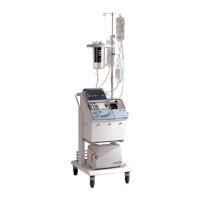
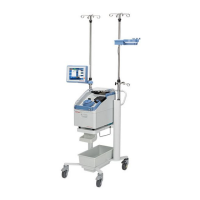
Cell Saver
Systems and
Autologous
Transfusion
In addition to the general benefits of autologous transfusion, Cell Saver
Systems provide the following benefits:
! Portability
! Rapid setup
! Rapid return of patient’s own cells
! Reduction of net blood loss
! Removal of red cell stroma
! Removal of plasma-free hemoglobin
! Removal of anticoagulant
! Removal of activated clotting factors
! Removal of extracellular potassium
! Cost-effectiveness
! General acceptance by Jehovah’s Witnesses
Autologous blood is
now widely accepted
as the first choice for
reinfusion.


 To Next Page