EasyManua.ls Logo

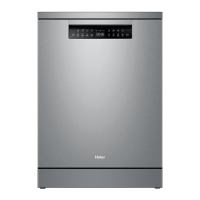
Haier HLV0845FSSS - User Manual

Haier HLV0845FSSS
36 pages
Print Icon
To Next Page IconTo Next Page
Loading...
Owner's Manual
HLV0845FSSS
QDP225SSPSS
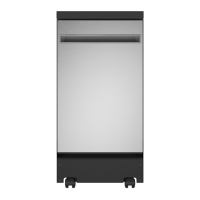
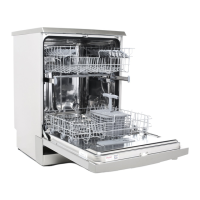
Built-In dishwasher, portable dishwasher
Question and Answer IconNeed help?

Do you have a question about the Haier HLV0845FSSS and is the answer not in the manual?

Summary

Safety Information

Proper Installation and Maintenance

Dishwasher must be installed and located per Installation Instructions. Refer to qualified technician for repairs.

Basic Precautions When Using Dishwasher

Follow safety precautions for intended use, detergents, sharp items, plastic items, and child safety.

Water Heater Safety

Hydrogen gas produced in water heaters is explosive. Run hot water faucets before use if unused for two weeks.

Risk of Child Entrapment

Junked or abandoned dishwashers are dangerous. Prevent accidents by following disposal instructions.

Preventing Minor Injury and Property Damage

Take care with hot contents, supervise children, and avoid washing non-dishware items to prevent damage.

Electrical Requirements

Ensure electrical connection meets NEC, NFPA 70, and local codes. Use 120V, 60Hz, 15-20A fused supply.

Using the Dishwasher

Loading the Dishwasher

Scrape off hard soils. No pre-rinsing of normal food soil is required. Load according to guidelines.

Adding Detergent

Add the recommended amount of detergent to the detergent dispenser. See Dispensers section.

Adding Rinse Agent

Add rinse agent to the rinse agent dispenser for better drying performance and spot prevention.

Selecting Wash Cycles

Choose desired wash cycle by pressing the Cycle Select pad. Cycle times vary by soil level and water temperature.

Selecting Wash Options

Options like Wash Temp, Boost, Sanitize, and Delay Start can be selected to enhance performance or delay the cycle.

Starting the Dishwasher

Press Start and close door within 4 seconds. Cycle begins after 10 seconds. Interrupt/pause by opening door.

Understanding Indicator Lights

Sanitized light indicates sanitization met. Clean light indicates cycle completion. Time Remaining displays cycle status.

Checking Water Temperature

Ensure entering water is 120°F (49°C) to 150°F (66°C) for effective cleaning and to prevent damage.

Sabbath;Door Wake Up Mode

Option to turn ON/OFF control sounds, display, and lights for religious observances. Press any button to activate.

Muting Control Sounds

Turn control sounds ON/OFF by pressing the Wash Temp button 5 times within 5 seconds.

Dishwasher Dispensers

Information on using rinse agent and filling the rinse agent dispenser for optimal drying and spot prevention.

Detergent Dispenser Details

Dispenser has pre-wash and main wash compartments. Use tablet, packet, powder, or liquid detergents.

Filling the Detergent Dispenser

Recommend tablets/packets in main compartment. Adjust powder/liquid based on water hardness and soil load.

Avoiding Hand Dish Detergent

Never use liquid hand dish detergent; it causes excessive suds and poor wash performance.

Upper Rack Loading

For glasses, cups, saucers, and plastic items. Load bowls face down. Cup shelf offers flexibility.

Adjusting the Upper Rack Height

Adjust rack height to accommodate larger items. Follow steps to extend, remove, select rollers, and reinstall.

Lower Rack Loading

Best for plates, saucers, cookware. Load large items on sides. Soiled side faces center. Avoid front left for platters.

Silverware Basket Loading

Load flatware with handles up for safety. Mix items to prevent nesting. Use topper for smaller items.

Connecting and Disconnecting Portable Models

Connect unicouple to faucet. Attach adapter, ensure secure fit. Check for leaks. Plug in power cord.

Disconnecting and Storing Portable Models

Unplug unit. Turn off hot water, relieve pressure, disconnect unicouple. Drain hoses. Store unit.

Care and Cleaning

Cleaning the Control Panel

Clean the control panel with a lightly dampened cloth and dry thoroughly.

Cleaning the Exterior Stainless Steel Door

Use oxalic acid cleaners for rust/tarnish. Use stainless steel cleaner for blemishes. Avoid wax or polish.

Cleaning the Dishwasher Interior

To clean and de-odorize, use citric acid or a detergent additive.

Cleaning the Spray Arms

Clean spray arms regularly with warm soapy water and a soft brush to remove clogs.

Cleaning the Upper Spray Head

Do not remove the upper spray head. Clean with warm soapy water using a small plastic bristle brush.

Cleaning the Filter Assembly

Inspect and clean filters monthly or more. Remove assembly, rinse with soapy water, and replace securely.

Stainless Steel Inner Door and Tub Care

Stainless steel is reliable and won't rust or corrode if scratched or dented during normal use.

Protecting Built-in Models Against Freezing

If left in unheated place, turn off power, water supply, disconnect line, drain water, reconnect line.

Protecting Portable Models Against Freezing

Unplug unit, turn off water, remove unicouple, drain hose. Ensure unit is protected from freezing temperatures.

Air Gap Maintenance (Built-in Models)

Air gap protects against water backing up. Clean the air gap by lifting cover, removing cap, and cleaning with toothpick.

Troubleshooting Tips

Troubleshooting Indicator Light Flashing

If indicator light flashes, the door was opened or cycle interrupted. Press Start and close the door.

Troubleshooting Beeping Alerts

Dishwasher beeps to remind door is open. Press Start and close door to resolve.

Understanding End-of-Cycle Beeping

Beeping at the end of the cycle is normal operation.

Troubleshooting Dishes Not Clean

If dishes are not clean, check filter assembly, water temperature, loading, and detergent quality.

Troubleshooting Spots and Filming

Spots and filming can be caused by hard water. Use rinse agent, check water temp, and ensure proper loading.

Troubleshooting Glassware Cloudiness

Cloudiness can be etching. Use less detergent with soft water. Check water temp and detergent type.

Troubleshooting Suds in the Tub

Suds are usually caused by wrong detergent. Use only automatic dishwasher detergents and wipe spills.

Troubleshooting Detergent Left in Cups

If detergent remains in cups, reposition dishes to ensure the cup door opens properly.

Troubleshooting Black or Gray Marks on Dishes

Black or gray marks are from aluminum utensils. Remove them with a mild, abrasive cleaner.

Troubleshooting Dishes Not Drying

Ensure door is opened after cycle. Check water temp and refill rinse agent dispenser for proper drying.

Troubleshooting No Water Fill

If no water fills, ensure door is closed firmly and water valve is turned on.

Troubleshooting Stained Tub Interior

Stains from iron or hard water. Use a water softener, rinse aid, or citric acid treatment.

Troubleshooting Dishwasher Wont Run

If dishwasher won't run, check fuse, power supply, and ensure control panel is not locked.

Troubleshooting Control Panel Lights

Lights may go off if pads aren't touched within 30 seconds. Relight by touching a pad or opening door.

Troubleshooting Water Standing in Tub

Water in the tub may indicate a clogged air gap or improper drain line installation.

Troubleshooting Water Not Pumping Out

If water won't pump out, check air gap, disposer, and sink drain. Contact plumber if needed.

Troubleshooting Sanitized Light

Sanitized light may not illuminate if door is opened during rinse or water temperature is too low.

Understanding Normal Operating Noises

Various beeps, motor sounds, spray arm activity, and drain pump sounds are normal during operation.

Troubleshooting Rattling Dishes

Rattling dishes indicate improper loading. Ensure dishes are loaded properly to avoid spray arm interference.

Troubleshooting Rattling Silverware

Tall utensils may rattle against the inner door. Place them in the upper rack to prevent this.

Troubleshooting White Film Issues

White film can be removed with citric acid or vinegar. Use a high-rated detergent to prevent build-up.

Adding Forgotten Dishes

Add items after starting cycle by opening door, waiting for spray to stop, adding items, then pressing Start.

Consumer Support

Haier Appliances Website Information

Visit the Haier Appliances website for assistance, product information, and online support services.

Registering Your Appliance

Register your appliance online for enhanced communication and prompt warranty service.

Scheduling Service

Schedule expert repair service online or by phone for convenience.

Remote Connectivity Assistance

For assistance with wireless network connectivity, visit the Haier Canada website.

Ordering Parts and Accessories

Order parts and accessories directly for self-servicing. VISA, MasterCard, and Discover cards accepted.

Contacting Haier Appliances

Contact Haier Appliances via the website for service satisfaction issues, including your phone number.

Summary

Safety Information

Proper Installation and Maintenance

Dishwasher must be installed and located per Installation Instructions. Refer to qualified technician for repairs.

Basic Precautions When Using Dishwasher

Follow safety precautions for intended use, detergents, sharp items, plastic items, and child safety.

Water Heater Safety

Hydrogen gas produced in water heaters is explosive. Run hot water faucets before use if unused for two weeks.

Risk of Child Entrapment

Junked or abandoned dishwashers are dangerous. Prevent accidents by following disposal instructions.

Preventing Minor Injury and Property Damage

Take care with hot contents, supervise children, and avoid washing non-dishware items to prevent damage.

Electrical Requirements

Ensure electrical connection meets NEC, NFPA 70, and local codes. Use 120V, 60Hz, 15-20A fused supply.

Using the Dishwasher

Loading the Dishwasher

Scrape off hard soils. No pre-rinsing of normal food soil is required. Load according to guidelines.

Adding Detergent

Add the recommended amount of detergent to the detergent dispenser. See Dispensers section.

Adding Rinse Agent

Add rinse agent to the rinse agent dispenser for better drying performance and spot prevention.

Selecting Wash Cycles

Choose desired wash cycle by pressing the Cycle Select pad. Cycle times vary by soil level and water temperature.

Selecting Wash Options

Options like Wash Temp, Boost, Sanitize, and Delay Start can be selected to enhance performance or delay the cycle.

Starting the Dishwasher

Press Start and close door within 4 seconds. Cycle begins after 10 seconds. Interrupt/pause by opening door.

Understanding Indicator Lights

Sanitized light indicates sanitization met. Clean light indicates cycle completion. Time Remaining displays cycle status.

Checking Water Temperature

Ensure entering water is 120°F (49°C) to 150°F (66°C) for effective cleaning and to prevent damage.

Sabbath;Door Wake Up Mode

Option to turn ON/OFF control sounds, display, and lights for religious observances. Press any button to activate.

Muting Control Sounds

Turn control sounds ON/OFF by pressing the Wash Temp button 5 times within 5 seconds.

Dishwasher Dispensers

Information on using rinse agent and filling the rinse agent dispenser for optimal drying and spot prevention.

Detergent Dispenser Details

Dispenser has pre-wash and main wash compartments. Use tablet, packet, powder, or liquid detergents.

Filling the Detergent Dispenser

Recommend tablets/packets in main compartment. Adjust powder/liquid based on water hardness and soil load.

Avoiding Hand Dish Detergent

Never use liquid hand dish detergent; it causes excessive suds and poor wash performance.

Upper Rack Loading

For glasses, cups, saucers, and plastic items. Load bowls face down. Cup shelf offers flexibility.

Adjusting the Upper Rack Height

Adjust rack height to accommodate larger items. Follow steps to extend, remove, select rollers, and reinstall.

Lower Rack Loading

Best for plates, saucers, cookware. Load large items on sides. Soiled side faces center. Avoid front left for platters.

Silverware Basket Loading

Load flatware with handles up for safety. Mix items to prevent nesting. Use topper for smaller items.

Connecting and Disconnecting Portable Models

Connect unicouple to faucet. Attach adapter, ensure secure fit. Check for leaks. Plug in power cord.

Disconnecting and Storing Portable Models

Unplug unit. Turn off hot water, relieve pressure, disconnect unicouple. Drain hoses. Store unit.

Care and Cleaning

Cleaning the Control Panel

Clean the control panel with a lightly dampened cloth and dry thoroughly.

Cleaning the Exterior Stainless Steel Door

Use oxalic acid cleaners for rust/tarnish. Use stainless steel cleaner for blemishes. Avoid wax or polish.

Cleaning the Dishwasher Interior

To clean and de-odorize, use citric acid or a detergent additive.

Cleaning the Spray Arms

Clean spray arms regularly with warm soapy water and a soft brush to remove clogs.

Cleaning the Upper Spray Head

Do not remove the upper spray head. Clean with warm soapy water using a small plastic bristle brush.

Cleaning the Filter Assembly

Inspect and clean filters monthly or more. Remove assembly, rinse with soapy water, and replace securely.

Stainless Steel Inner Door and Tub Care

Stainless steel is reliable and won't rust or corrode if scratched or dented during normal use.

Protecting Built-in Models Against Freezing

If left in unheated place, turn off power, water supply, disconnect line, drain water, reconnect line.

Protecting Portable Models Against Freezing

Unplug unit, turn off water, remove unicouple, drain hose. Ensure unit is protected from freezing temperatures.

Air Gap Maintenance (Built-in Models)

Air gap protects against water backing up. Clean the air gap by lifting cover, removing cap, and cleaning with toothpick.

Troubleshooting Tips

Troubleshooting Indicator Light Flashing

If indicator light flashes, the door was opened or cycle interrupted. Press Start and close the door.

Troubleshooting Beeping Alerts

Dishwasher beeps to remind door is open. Press Start and close door to resolve.

Understanding End-of-Cycle Beeping

Beeping at the end of the cycle is normal operation.

Troubleshooting Dishes Not Clean

If dishes are not clean, check filter assembly, water temperature, loading, and detergent quality.

Troubleshooting Spots and Filming

Spots and filming can be caused by hard water. Use rinse agent, check water temp, and ensure proper loading.

Troubleshooting Glassware Cloudiness

Cloudiness can be etching. Use less detergent with soft water. Check water temp and detergent type.

Troubleshooting Suds in the Tub

Suds are usually caused by wrong detergent. Use only automatic dishwasher detergents and wipe spills.

Troubleshooting Detergent Left in Cups

If detergent remains in cups, reposition dishes to ensure the cup door opens properly.

Troubleshooting Black or Gray Marks on Dishes

Black or gray marks are from aluminum utensils. Remove them with a mild, abrasive cleaner.

Troubleshooting Dishes Not Drying

Ensure door is opened after cycle. Check water temp and refill rinse agent dispenser for proper drying.

Troubleshooting No Water Fill

If no water fills, ensure door is closed firmly and water valve is turned on.

Troubleshooting Stained Tub Interior

Stains from iron or hard water. Use a water softener, rinse aid, or citric acid treatment.

Troubleshooting Dishwasher Wont Run

If dishwasher won't run, check fuse, power supply, and ensure control panel is not locked.

Troubleshooting Control Panel Lights

Lights may go off if pads aren't touched within 30 seconds. Relight by touching a pad or opening door.

Troubleshooting Water Standing in Tub

Water in the tub may indicate a clogged air gap or improper drain line installation.

Troubleshooting Water Not Pumping Out

If water won't pump out, check air gap, disposer, and sink drain. Contact plumber if needed.

Troubleshooting Sanitized Light

Sanitized light may not illuminate if door is opened during rinse or water temperature is too low.

Understanding Normal Operating Noises

Various beeps, motor sounds, spray arm activity, and drain pump sounds are normal during operation.

Troubleshooting Rattling Dishes

Rattling dishes indicate improper loading. Ensure dishes are loaded properly to avoid spray arm interference.

Troubleshooting Rattling Silverware

Tall utensils may rattle against the inner door. Place them in the upper rack to prevent this.

Troubleshooting White Film Issues

White film can be removed with citric acid or vinegar. Use a high-rated detergent to prevent build-up.

Adding Forgotten Dishes

Add items after starting cycle by opening door, waiting for spray to stop, adding items, then pressing Start.

Consumer Support

Haier Appliances Website Information

Visit the Haier Appliances website for assistance, product information, and online support services.

Registering Your Appliance

Register your appliance online for enhanced communication and prompt warranty service.

Scheduling Service

Schedule expert repair service online or by phone for convenience.

Remote Connectivity Assistance

For assistance with wireless network connectivity, visit the Haier Canada website.

Ordering Parts and Accessories

Order parts and accessories directly for self-servicing. VISA, MasterCard, and Discover cards accepted.

Contacting Haier Appliances

Contact Haier Appliances via the website for service satisfaction issues, including your phone number.

Haier HLV0845FSSS Specifications

General IconGeneral
BrandHaier
ModelHLV0845FSSS
CategoryDishwasher
LanguageEnglish

Related product manuals