13
GENERATOR TRAY
MOUNTING AND AIRFLOW
The generator tray is constructed of 11 gauge steel
that has been powder coated for protection from the
elements. When choosing a mounting location for the
generator tray unit, take into account the following
factors:
• Airflow and ventilation, 176 sq. in. inlet area
• Protection from debris and water
• Service and weight constraints
The most important factor to consider when
mounting the tray unit is the air ventilation. The
minimum distance between the nearest wall to both
the intake and exhaust is 4 inches. Also, arrange the
unit so that the exhaust air does not re-circulate into
the inlet.
CAUTION!
SUPPLY THE GENERATOR TRAY WITH ENOUGH
FRESH AIR AT THE INLET. ALSO, THE HOT
EXHAUST AIR NEEDS AN ADEQUATE OUTLET
SO IT DOES NOT CIRCULATE INTO THE INLET.
Figure 10 shows example of bad and good air flow
installations. An intake shroud may be necessary for
certain installations. If the system oil temperature
exceeds 180°F, check the inlet and exhaust for
restrictions. If the inlet air temperature is above
120°F, this may be an indication that the hot exhaust
air is re-circulating into the intake and additional
baffling is necessary.
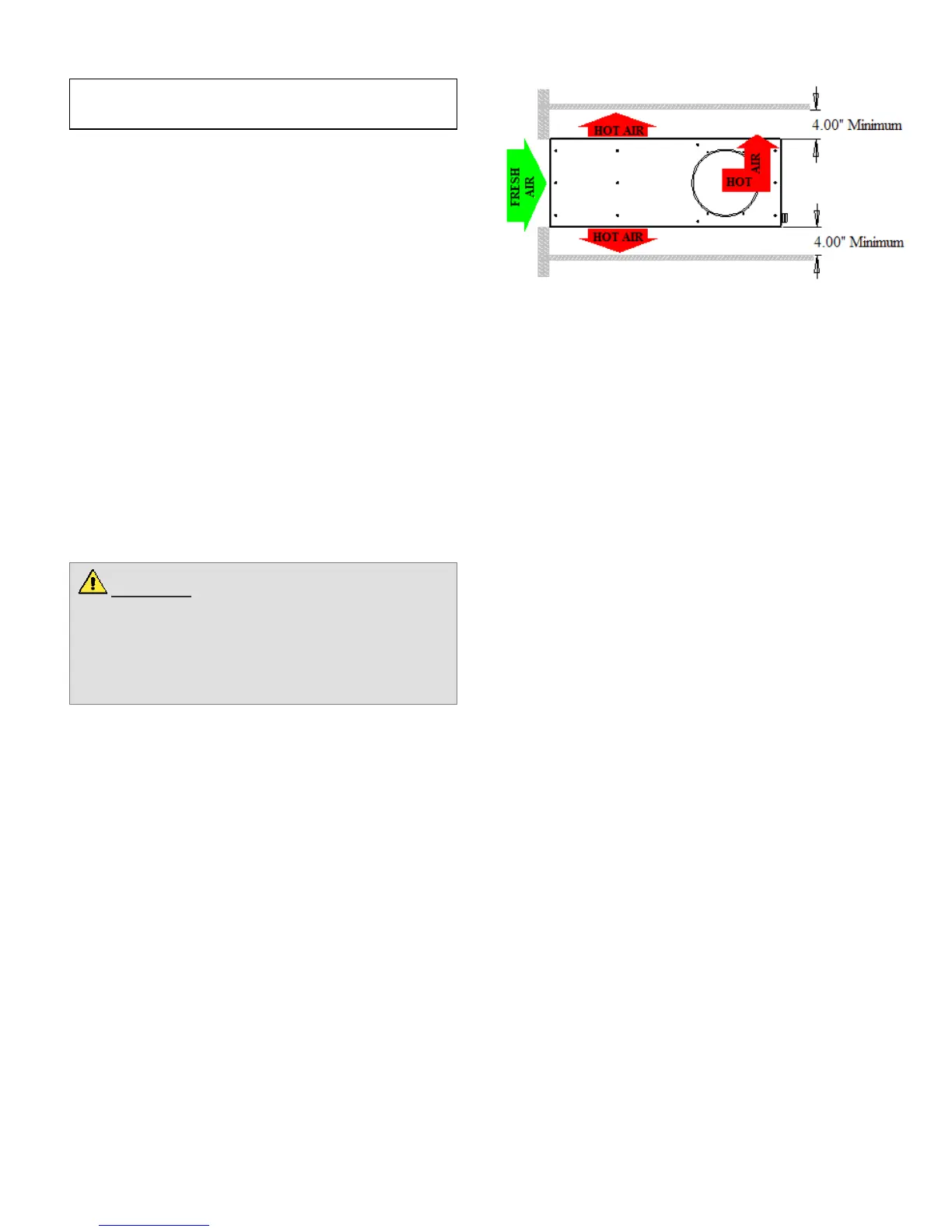
Figure 9: Good Generator Airflow Installation
An installation with good airflow allows at least
4.00” of space around the unit for the exhaust air to
evacuate properly. A shroud or an air deflector is
used in cases were re-circulation is possible.
Generally, all alternators cool the same way. Fresh
air is pulled in one end of the rotor/stator assembly
and exhausted out the other end. It is important to
keep out road salt, dirt, snow, water, and other
contaminates. Another consideration is high water
crossings. Inspect the tray assembly on a regular
basis. If any generator system is submerged in water,
it will destroy the electrical components unless it is
completely dried before use. Contact the Harrison
factory for more information.



 To Next Page