Rev. B 08-2017
10
MTEC.4680.GB-B-1 Operation and maintenance manual GH serie English
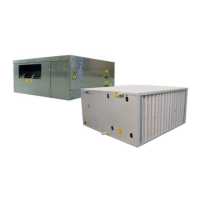
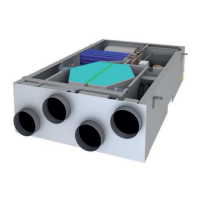
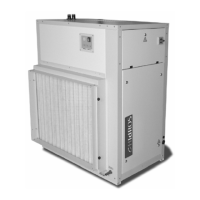
GH Dehumidifiers for radiant cooling system
R407C
HFC TWA 1000 ppm
HFC125 TWA 1000 ppm
HFC134a TWA 1000 ppm - 4240 mg/m3 (OES)
R134A
HFC-134a TWA 1000 ppm
2.1.1 Identification of the Type of Refrigerant Fluid Used: R407C:
Difluoromethane (HFC32) 23% by weight CAS No.: 000075-10-5•
Pentafluoroethane (HFC125) 25% in peso CAS No.: 000354-33-6•
• 1,1,1,2 – Tetrafluoroethane (HFC134a) 52% by weight CAS No.: 000811-97-2
R134a: Tetrafluoroethane (HFC134a) 100% by weight CAS No.: 000811-97-2
2.1 Warning re potentially hazardous toxic substances
2. SAFETY
For further information regarding the characteristics of the refrigerant and oil used, refer to the safety data sheets
available from the refrigerant and oil manufacturers.
2.1.2 Identification of the Type of Oil Used.
The lubricant used is polyester oil. Please refer to the information provided on the compressor data plate.
ENVIRONMENTAL PROTECTION : Read the ecological information and the following instructions carefully.
Main Ecological Information Regarding the Types of refrigerants Fluids used.
2.1.3 Persistence and degradation
The refrigerants used decompose in the lower atmosphere (troposphere) relatively quickly. The decomposed products are highly dispersible
and therefore have a very low concentration. They do not influence the photochemical smog which is not among the VOC volatile organic
compounds (as stipulated in the guidelines to the UNECE). The constituent refrigerants of R407C (R32, R125 and R134a), do not damage
the ozone layer. These substances are regulated under the Montreal Protocol (revised 1992) and regulations EC no. 2037/200 of 29 June
2000.
2.1.4 Effects of discharges
2.1.5 Exposure controls and personal protection
Discharges into the atmosphere of this product does not cause a long-term contamination.
Wear protective clothing and gloves, protect your eyes and face
2.1.6 Professional exposure limits
2.2 Refrigerant handling
Users and maintenance personnel must be adequately informed about the possible risks of handling potentially
toxic substances. Failure to follow such instructions can cause damage to personnel or to the unit.



 To Next Page