P/N 42-9450 8/08 Copyright 2008 Hydrotherm
Page 12 KN INSTALLATION AND OPERATION INSTRUCTIONS
Water piping (continued)
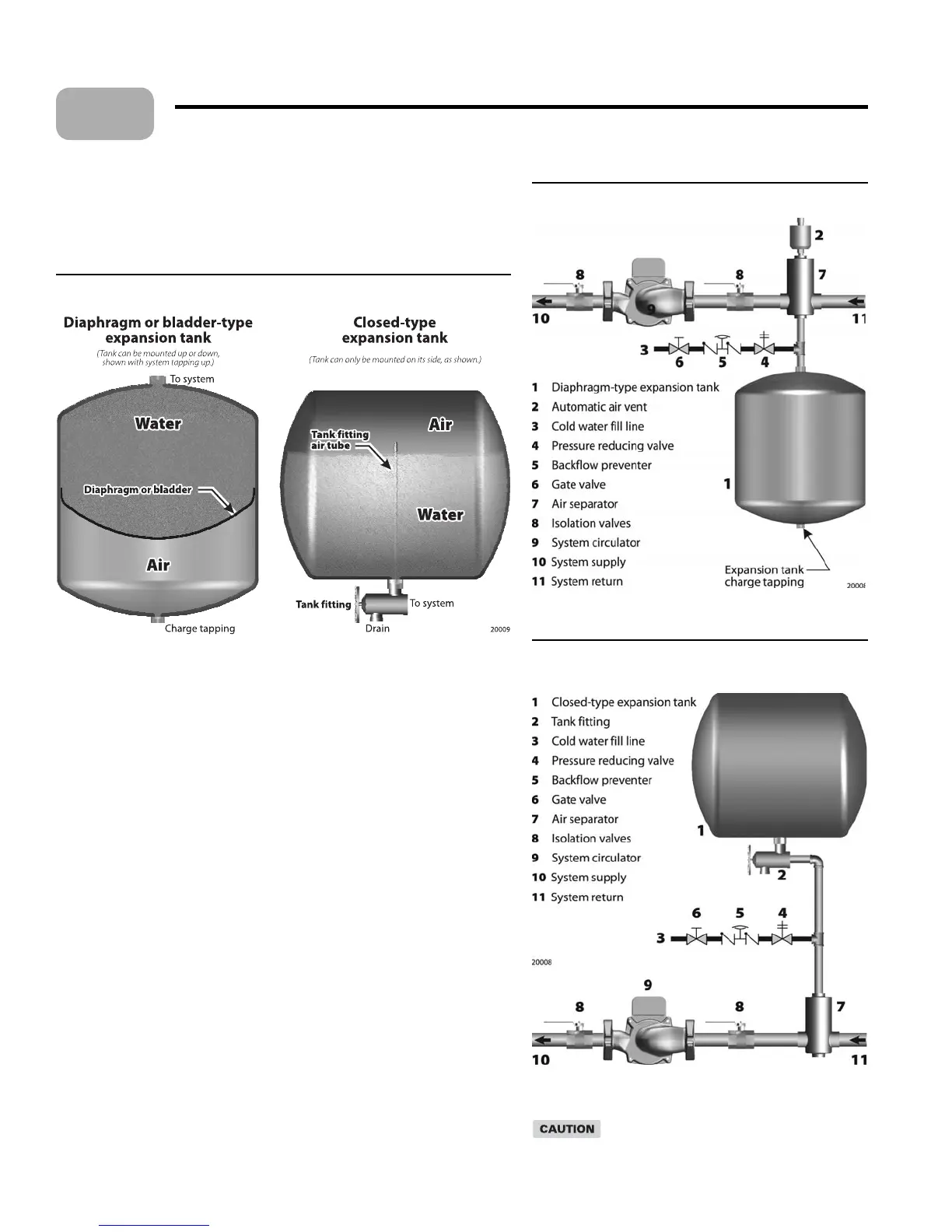
Figure 6 Diaphragm or bladder-type expansion tank
suggested piping
Figure 7 Closed-type expansion tank suggested
piping
Expansion tank and air separation
e system must include an expansion tank to control thermal expansion. Install the
tank as close as possible to the boiler, and locate on the suction side of the system
circulator. Make sure the tank is sized large enough to handle the system volume.
Figure 5 Expansion tank comparison
Diaphragm/bladder type expansion tank
Diaphragm or bladder-type expansion tanks have a membrane that separates the water
from the air in the tank. See Figure 5, le side. See Figure 6 for suggested piping.
Guidelines for diaphragm/bladder-type expansion tanks
Always remove the tank from the system before charging. is ensures the air
pressure will be accurate. Make sure the charge pressure equals the required system
cold- ll pressure (usually 12 psig).
Install an automatic air vent on top of the air separator to remove air from the
system.
Closed-type expansion tank
Closed-type tanks are those that have air above the water, in direct contact with the
water. See Figure 5, right side. See Figure 7 for suggested piping.
Guidelines for closed-type expansion tanks
NEVER
use automatic air vents in systems with closed-type tanks. e air must be
kept in the system, and returned to the tank, in order to keep the tank operating
correctly. Automatic air vents will bleed air out of the system, resulting in water-
logging of the tank, causing the boiler relief valve to weep.
Air separation is done by connecting from an in-line air separator to the bo om of
the expansion tank (Figure 7). e tank must be mounted above the air separator.
Install a tank ing in the bo om of the tank. It allows captured air to ow into
the upper portion of the tank, facilitates lling, and reduces recirculation in the
expansion tank piping.
Cold water ll
Follow all applicable codes when connecting the cold water ll to the piping. Use a
back ow preventer where required. See suggested piping on this and the following
pages. Also consider installing a water meter on the cold water make-up line. e water
meter will show if excessive make-up water is entering the system.
•
•
•
•
•
Undersized or waterlogged expansion tanks will
cause excessive make-up water to enter the system.
is will lead to section failure due to oxygen
corrosion and lime deposits.
5



 To Next Page