EasyManua.ls Logo

Ingersoll-Rand BU7A - User Manual

Ingersoll-Rand BU7A
44 pages
Print Icon
To Next Page IconTo Next Page
Loading...
Form P5710
PARTS, OPERATION AND MAINTENANCE MANUAL
for
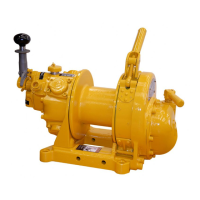
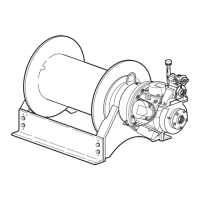
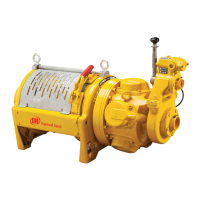
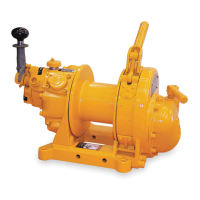
MODEL BU7A AIR WINCH
(Dwg. MHP1233)
Form P5710
Edition 15
May 2001
03523115
© 2001 Ingersoll-Rand Company
READ THIS MANUAL BEFORE USING THESE PRODUCTS. This manual
contains important safety, installation, operation and maintenance
information. Make this manual available to all persons responsible for the
operation, installation and maintenance of these products.
Do not use this Air Winch for lifting, supporting, or transporting people or lifting or
supporting loads over people.
Always operate, inspect and maintain this Air Winch in accordance with American
National Standards Institute safety code (ASME B30.7) and any other applicable safety
codes and regulations.

Other manuals for Ingersoll-Rand BU7A

Questions and Answers

  • J
    Jason FloresSep 10, 2025
    Why do Ingersoll-Rand Winches run slow?
    • A
      Andrew LaneSep 10, 2025
      If your Ingersoll-Rand Winches run slowly, check the fittings, connections, and hoses for correct size and length, replacing parts that may restrict air flow, and inspect the air line filter. The motor may be damaged, so remove and disassemble it, inspecting all parts and replacing worn or damaged ones. Verify air supply pressure and volume at the winch inlet meets the requirements. Clean the air line filter.
  • W
    Wanda RodriguezAug 22, 2025
    How to troubleshoot an Ingersoll-Rand Winch that will not operate?
    • J
      josephwilsonAug 22, 2025
      If your Ingersoll-Rand winch is not operating, there are a few things you can check. First, make sure that there is an adequate air supply to the winch by checking the air supply line connections and hoses, and ensure that the air pressure at the winch inlet is at least 90 psig (6.3 bar/630 kPa) at rated volume. Second, ensure that the winch is not overloaded, and reduce the load if necessary. Finally, make sure the drum brake is released.
  • K
    Katherine BaileyAug 25, 2025
    What to do if throttle lever moves but Ingersoll-Rand Winch doesn't operate?
    • L
      Linda HodgeAug 25, 2025
      If the throttle (or pendant) lever moves but the Ingersoll-Rand winch does not operate, it could be due to a damaged motor. Disassemble and clean the motor, replacing any broken or damaged parts. Another possibility is insufficient air supply. Ensure the air pressure at the winch inlet is at least 90 psig (6.3 bar/630 kPa) at rated volume, and clean the air line filter.
  • C
    Christina OlsonAug 27, 2025
    Why does the motor of my Ingersoll-Rand Winch run hot or make noise?
    • J
      James FloresAug 27, 2025
      If the motor of your Ingersoll-Rand Winch runs hot or makes excessive noise, there are several potential causes. Check the oil level in the motor and adjust as needed. The lubrication may be improper, so replace the oil with the type recommended and set the lubricator to provide a minimum of 6 drops per minute, also check the oil level in lubricator. There might be water in the oil, so drain and refill with oil, and operate the winch slowly in both directions. Finally, a piston or connecting rod might be damaged or broken, requiring you to disassemble and repair the motor.
  • D
    Debbie MasseyAug 27, 2025
    What to do if load continues to move when Ingersoll-Rand Winch is stopped?
    • M
      muellerjessicaAug 28, 2025
      If the load continues to move when the Ingersoll-Rand winch is stopped, it's likely that the drum brake is slipping. You should check the drum brake adjustment and inspect the brake band lining for wear.
  • J
    Jessica HughesAug 29, 2025
    Why is my Ingersoll-Rand Winch running slow?
    • C
      castromichaelAug 29, 2025
      If your Ingersoll-Rand winch runs slow, it could be due to improper hose or fitting sizes. Check the fittings, connections, and hoses for the correct size and length, replacing any parts that may be restricting airflow. Also, inspect the air line filter. Another possibility is that the motor may be damaged, so you should inspect all parts and replace any that are worn or damaged.
  • L
    lori83Sep 18, 2025
    Why is throttle lever hard to actuate on Ingersoll-Rand BU7A?
    • C
      Cynthia JohnsonSep 18, 2025
      If the throttle lever is hard to actuate or does not spring return to neutral on your Ingersoll-Rand Winches, the reverse valve may be sticking in the bushing. Remove and disassemble the control valve, then clean the control valve parts and check the clearance between the reverse valve and the bushing.
  • H
    heidi06Sep 12, 2025
    Why does motor run hot or make excessive noise during operation of Ingersoll-Rand Winches?
    • D
      Dean AvilaSep 12, 2025
      If the motor runs hot or makes excessive noise during the operation of your Ingersoll-Rand Winches, check the oil level in the motor and add oil as required. Replace the oil with the type recommended. Set the lubricator to provide 6 to 9 drops of oil per minute at maximum winch operating capacity. Drain and refill with recommended oil if there is water in the oil, then operate the winch slowly in both directions with no load. If the noise persists or the motor overheats, disassemble and repair it. A damaged or broken piston or connecting rod can also cause this, requiring disassembly and repair of the motor.
  • M
    meganraySep 8, 2025
    What to do if throttle lever moves but Ingersoll-Rand Winches does not operate?
    • T
      Tammy OwenSep 8, 2025
      If the throttle or pendant lever moves but your Ingersoll-Rand Winches do not operate, the motor may be damaged. Disassemble and clean the motor, replacing any broken or damaged parts. Ensure the air pressure at the winch inlet is at least 90 psig (6.3 bar/630 kPa) at the rated volume and clean the air line filter. Check for air leaks in hoses and fitting connections, inspecting for breaks, and tighten or replace hoses as necessary.
  • C
    Christopher RomanSep 5, 2025
    How to troubleshoot Ingersoll-Rand Winches that will not operate?
    • H
      henryanitaSep 5, 2025
      If your Ingersoll-Rand Winches won't operate, first check the air supply line connections and hoses to ensure sufficient air. If the winch is overloaded, reduce the load. Remove any shipping plugs in the valve and motor exhaust ports. If the drum brake doesn't release, disengage the manual band brake. If the motor is damaged, disassemble and clean it, replacing any broken parts. Check for air leaks in hoses and fittings, tightening or replacing as needed. Finally, address frozen air lines by installing or draining air system moisture traps and purging the lines with clean, dry air or nitrogen.

Summary

Safety Information

Signal Word Definitions

Explains signal words like Danger, Warning, Caution, and Notice used to identify potential hazards.

Key Safety Summary

Highlights critical safety points for winch operation, load handling, and personnel safety.

Safe Operating Instructions

Safe Operating Practices

Provides essential safety rules to prevent injury and damage during winch operation.

Winch Warning Tags

Details the warning tags attached to the winch and their importance.

Specifications

Winch Description

Details the BU7A winch's air motor, gears, brake, and free spool feature.

Model Code Explanation

Explains the model designation and its various options and configurations.

Performance Data

Performance Graphs

Visual representation of line pull, speed, and air consumption for winch models.

General Specifications Table

Technical data for BU7A and BU7APTAB models, including capacity, dimensions, and weight.

Installation

Winch Mounting

Instructions for properly positioning and mounting the winch on a suitable surface.

Wire Rope & Fleet Angle Installation

Guidelines for installing wire rope and setting up the correct fleet angle.

Wire Rope Selection Guidelines

Advice on selecting the appropriate type, size, and specifications for wire rope.

Installation

Safe Wire Rope Handling

Procedures for safely handling, inspecting, and using wire rope.

Wire Rope Installation

Step-by-step instructions for securely attaching the wire rope to the winch drum.

Air Supply Requirements

Details on necessary air quality, pressure, and volume for optimal winch performance.

Installation

Air Lines and Filtration

Specifications for air supply lines and recommendations for air line filters.

Air Line Lubricator Use

Instructions for installing, maintaining, and setting the air line lubricator.

Motor Air Supply Specifications

Recommended air pressure and volume for optimal motor operation.

Initial Operating Checks

Initial Operating Checks

Steps to perform before initial operation of the winch for proper function.

Start-Up Procedures

Start-Up Procedures

Procedure for starting a winch that has been stored for one month or longer.

Operation

Winch Control Options

Explanation of manual and pendant throttle controls for speed and direction.

Winch Brake Systems

Description of manual and automatic drum brake operation and function.

Operation

Free Spool Clutch Operation

How to engage/disengage the free spool clutch and associated safety warnings.

Emergency Stop Device Operation

Location and operation of the emergency stop button for immediate winch shutdown.

Inspection

General Inspection Procedures

Guidelines for visual inspection of winch components and wire rope condition.

Inspection Records and Reports

Importance of maintaining records for periodic inspections of load-bearing equipment.

Wire Rope Inspection Records

Requirements for keeping records of wire rope inspection programs and condition.

Inspection

Detailed Inspection Points

Specific checks for frames, fasteners, drum, wire rope, and other components.

Inspection for Idle Winches

Inspection requirements for winches that have been idle for one month or more.

Inspection and Maintenance Report Form

Inspection and Maintenance Report Form

A template for documenting inspection findings, conditions, and corrective actions.

Lubrication

Gear Case Lubrication

Procedures and recommendations for lubricating the winch gear case.

Seals and Bearings Lubrication

Guidelines for greasing seals and bearings during assembly and maintenance.

Wire Rope Lubrication

Instructions for cleaning and applying lubricant to the winch wire rope.

Troubleshooting

Troubleshooting Common Issues

Table listing winch symptoms, probable causes, and recommended remedies.

Automatic Drum Brake Troubleshooting

Specific troubleshooting steps for the automatic drum brake system.

Maintenance

Maintenance Interval Schedule

Chart detailing maintenance checks based on operating intervals (shift, monthly, yearly).

Manual Brake Adjustment

Steps for adjusting the manual drum brake for proper holding capacity.

Automatic Brake Adjustment

Procedures for adjusting the automatic drum brake for correct operation.

Maintenance

Motor and Gear Case Maintenance

Procedures for draining, filling, and maintaining the motor and gear case.

General Disassembly Instructions

Guidelines for safely disassembling winch components for inspection or repair.

Brake Band Replacement Procedure

Steps for removing and replacing the brake band assembly.

Maintenance

Rotary Valve Bushing Removal

Instructions for pressing out the rotary valve bushing from the motor housing.

Reverse Valve Bushing Removal

Instructions for pressing out the reverse valve bushing from the motor housing.

Maintenance

Cleaning, Inspection, and Repair

Procedures for cleaning, inspecting, and repairing disassembled winch parts.

Shuttle Valve Chest Disassembly

Step-by-step instructions for disassembling the shuttle valve chest.

Wire Rope Drum Removal

Instructions for safely removing the wire rope drum from the winch.

Assembly

Motor Assembly Instructions

Detailed steps for assembling the motor components after disassembly.

Assembly

Control Valve Assembly Instructions

Instructions for assembling the control valve and its related components.

Wire Rope Drum Assembly Instructions

Steps for assembling the wire rope drum, including bearings and seals.

Assembly

Brake Band Assembly Instructions

Procedures for assembling the brake band and associated hardware.

Automatic Brake Assembly Instructions

Steps for assembling the automatic brake system components.

Load Test

Load Test Procedure

Requirements and procedure for load testing new, repaired, or altered winches.

Winch Assembly Parts Drawing

Winch Assembly Diagram

Exploded view illustrating the assembly of the winch with numbered parts.

Winch Assembly Parts List

Winch Component List

Detailed list of winch components, quantities, and corresponding part numbers.

Winch Assembly Parts List

Winch Component List (Continued)

Continuation of the detailed list of winch components, quantities, and part numbers.

Winch Assembly Parts List

Winch Parts List - Kits & Accessories

List of available kits, special tools, and accessories for the winch.

Automatic Brake Assembly Drawing

Automatic Brake Assembly Diagram

Exploded view of the automatic brake assembly with numbered components.

Automatic Brake Assembly Parts List

Automatic Brake Parts List

List of parts, quantities, and part numbers for the automatic brake system.

Shuttle Valve Chest Assembly Drawing

Shuttle Valve Chest Assembly Diagram

Diagram of the shuttle valve chest assembly showing parts and connections.

Shuttle Valve Chest Assembly Parts List

Shuttle Valve Chest Parts List

List of parts, quantities, and part numbers for the shuttle valve chest assembly.

Remote Control Valve Assembly Drawing

Remote Control Valve Diagram

Diagram of the remote control valve assembly with connections and parts.

Remote Control Valve Assembly Parts List

Remote Control Valve Parts List

List of parts, quantities, and part numbers for the remote control valve assembly.

Drum Guard Assembly and Parts List

Drum Guard Assembly and Parts List

Diagram and list of parts for the drum guard assembly.

E-Stop Valve and Muffler Assembly Drawings

E-Stop Valve & Muffler Assembly Diagrams

Visual representations of the E-stop valve and muffler assemblies.

E-Stop Valve and Muffler Assembly Parts Lists

E-Stop Valve & Muffler Parts List

List of parts, quantities, and part numbers for E-stop valve and muffler.

Remote Pendant Throttle Handle Drawing & Parts List

Remote Pendant Throttle Handle Drawing & Parts List

Diagram and list of components for the remote pendant throttle handle.

Label Locations

Label Locations Diagram & Parts List

Illustration showing label locations and a list of the labels with part numbers.

Construction Cage

Construction Cage Drawing & Parts List

Diagram and list of parts for the construction cage assembly.

Winch Upgrades

BU7 A-A516 Crankshaft Upgrade

Details on the redesigned crankshaft assembly and ordering information.

Additional Reference Material

Additional Reference Documents

List of supplementary manuals and procedures for BU7A winches.

Parts Ordering Information

Parts Ordering Procedure

Information required when ordering replacement parts from Ingersoll-Rand.

Return Goods Policy

Guidelines for returning products for warranty or service work.

Product Disposal Information

Recommendations for disassembling and recycling units at the end of their life.

Limited Warranty

Limited Warranty Terms

Details of Ingersoll-Rand's limited warranty for hoists and winches.

Shipment Loss and Damage Claims

Procedures for handling visible/concealed loss or damage during shipment.

United States Office Locations

US Office Locations: Orders & Support

Contact information for order entry and technical support in the United States.

International Office Locations

International Office Locations

Contact information for Ingersoll-Rand offices and distributors worldwide.

Ingersoll-Rand BU7A Specifications

General IconGeneral
BrandIngersoll-Rand
ModelBU7A
CategoryWinches
LanguageEnglish

Related product manuals