38
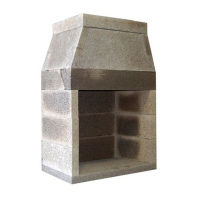
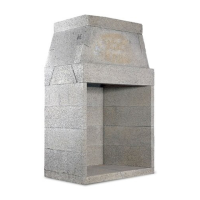
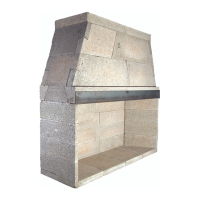
DM Chimney System: Brick Ledge Load Capacity
Lateral Support for Isokern Brick ledge Chimneys:
Once the DM chimney and brick ledge are assembled
and after the intended masonry veneer has been installed on the
brick ledge, be sure to brace the chimney following the guidelines
on page 32 of this manual for Lateral Support of DM chimneys.
Load Capacity for Brick Ledge:
The sources of load delivered into the Isokern brick
ledge are:
(1) the total physical load of brick, stone or other
masonry veneer on the brick ledge, and
(2) loading due to the force of wind delivered against
the exposed height of the chimney mass.
The required height of any chimney is governed by
applicable local building codes. The overall nished height of
any chimney varies based upon site-specic conditions (eg.
elevation of roof line, roof pitch, distance of the chimney from
the ridge, etc.).
It is relatively simple to calculate the total physical load
on the brick ledge resulting from the physical weight of applied
veneers built to code height, however calculation values for load
to the brick ledge due to wind are site specic and based on
local variables such as wind speed zone, exposure classication,
eave height and roof pitch of the structure, as well as height of
chimney mass exposed to wind.
The total of physical load and load due to wind must not
exceed ninety four hundred (9400) pounds.
Notes:
Calculation of wind load requires the services of a local
structural engineer who can evaluate wind load for the specic
structure and site in question.
Do not subject the brick ledge to unequal loading when
applying veneers. Build veneers equally on all four sides of the
brick ledge.
FIGURE 62


 To Next Page
 Loading...