EasyManua.ls Logo

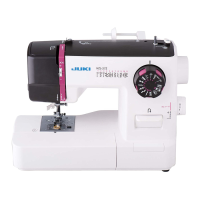
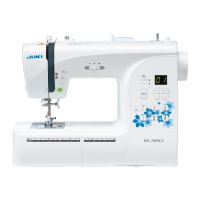
JUKI HZL-70 series - User Manual

JUKI HZL-70 series
64 pages
Print Icon
To Next Page IconTo Next Page
Loading...
HZL-70 Series
INSTRUCTION MANUAL
Attention
Please read this instruction manual before using
the machine as it contains important operational
and safety information.
Keep this manual accessible so that you may refer
to it at anytime while operating the machine.

Table of Contents

Questions and Answers

  • E
    Eddie AllenAug 18, 2025
    What to do if my JUKI HZL-70 Sewing Machine skips stitches?
    • J
      jessicamillerAug 18, 2025
      If your JUKI Sewing Machine skips stitches, check these: * The needle might not be inserted correctly; remove and reinsert it with the flat side towards the back. * The needle could be damaged; insert a new needle. * The wrong size needle might have been used; choose a needle to suit the thread. * The foot might not be attached correctly; check and attach it correctly. * The machine might not be threaded correctly; rethread the machine.
  • A
    aprilpadillaAug 20, 2025
    Why does the upper thread break on my JUKI Sewing Machine?
    • B
      Brandon Dillon Jr.Aug 20, 2025
      The upper thread may break on your JUKI Sewing Machine due to several reasons: * The machine might not be threaded correctly, so rethread it. * The thread tension could be too tight; reduce the thread tension. * The thread might be too thick for the needle; select a larger needle. * The needle may not be inserted correctly; remove and reinsert it with the flat side towards the back. * The thread could be wound around the spool holder pin; remove the reel and wind the thread onto the reel. * The needle might be damaged; replace it.
  • A
    Alicia BrownAug 22, 2025
    What to do if the needle breaks on my JUKI Sewing Machine?
    • J
      Justin NealAug 23, 2025
      If the needle breaks on your JUKI Sewing Machine, consider the following: * The needle could be damaged, so insert a new one. * The needle may not be correctly inserted; ensure it's inserted correctly with the flat side towards the back. * The needle size might be wrong for the fabric; choose a needle suitable for the thread and fabric. * The wrong foot could be attached; select the correct foot. * The needle clamp screw might be loose; tighten it firmly with a screwdriver. * The presser foot used may not be appropriate for the stitch you want to sew; attach the appropriate presser foot. * The upper thread tension could be too tight; loosen the upper thread tension.
  • B
    Brittany MartinezAug 25, 2025
    Why does the lower thread break on my JUKI HZL-70?
    • T
      tylermelindaAug 26, 2025
      The lower thread may break on your JUKI Sewing Machine because: * The bobbin case is not inserted correctly; remove and reinsert the bobbin case, then pull on the thread to ensure it pulls easily. * The bobbin case is threaded wrong; check both the bobbin and bobbin case. * The lower thread tension is too tight; loosen the lower thread tension as described.
  • E
    Edward Lee DDSAug 27, 2025
    How to fix loose stitches on my JUKI HZL-70?
    • M
      margaret05Aug 28, 2025
      To fix loose stitches on your JUKI Sewing Machine: * Check the threading of the machine to ensure it is correct. * Thread the bobbin case as illustrated. * Ensure the needle size suits the fabric and thread. * Correct the thread tension.
  • R
    Robert WiseAug 30, 2025
    Why is my JUKI HZL-70 Sewing Machine making uneven stitches?
    • J
      jabbottAug 30, 2025
      Uneven stitches on your JUKI Sewing Machine may be due to: * Poor quality thread; select a better quality thread. * The bobbin case being threaded wrong; remove the bobbin case and thread, then reinsert correctly.
  • S
    Sharon JohnsonSep 2, 2025
    What to do if my JUKI HZL-70 seam gather or pucker?
    • J
      Jeffery WilliamsSep 2, 2025
      If the seam gathers or puckers on your JUKI Sewing Machine: * The needle may be too thick for the fabric; select a finer needle. * The stitch length may be adjusted wrong; readjust the stitch length. * The thread tension may be too tight; loosen the thread tension.
  • A
    adammaddoxSep 4, 2025
    Why is the seam puckering on my JUKI HZL-70?
    • N
      nrandallSep 4, 2025
      Seam puckering on your JUKI Sewing Machine can occur because: * The needle thread tension is too tight; loosen the thread tension. * The needle thread is not threaded correctly; rethread the machine. * The needle is too heavy for the fabric being sewn; choose a needle to suit the thread and fabric. * The stitch length is too long for the fabric; make the stitch denser. * If you are sewing thin fabric, sew with stabilizer material under the fabric.
  • Y
    Yvonne CarpenterSep 7, 2025
    Why is my JUKI HZL-70 Sewing Machine so noisy?
    • J
      Jeffrey LozanoSep 7, 2025
      Your JUKI Sewing Machine might be noisy because: * Fluff or oil have collected on the hook or needle bar; clean the hook and feed dog as described. * The needle is damaged; replace the needle. * Thread is caught in the hook; remove the upper thread and bobbin case, turn the handwheel backwards and forwards by hand, and remove the thread remains.
  • R
    ralexanderSep 9, 2025
    What causes distorted patterns on my JUKI HZL-70?
    • S
      Steven GomezSep 9, 2025
      Distorted patterns on your JUKI Sewing Machine may be caused by: * Using an incorrect presser foot; select the correct foot. * The needle thread tension being too tight; loosen the thread tension.

Summary

Important Safety Instructions

Using the Sewing Machine Safely

Getting Ready to Sew

Ordinary Sewing

Principal Parts of the Machine

Setup and Accessories

Sewing Table

Description of how to attach and use the snap-in sewing table.

Accessories

List of standard and optional accessories included with the machine.

Type of Presser Foot Chart

Connecting the Machine

Winding the Bobbin

Inserting the Bobbin

Threading the Upper Thread

Using the Needle Threader

Raising Up the Lower Thread

Adjusting Presser Foot Pressure

Replacing the Needle

Changing the Presser Foot

Presser Foot and Feed Dog Adjustments

Two-Step Presser Foot Lifter

Explanation of the two-stage lift for the presser foot.

Raise or Drop Feed Dogs

Instructions on how to adjust the feed dog lever.

Matching Needle, Fabric, and Thread

Machine Buttons Overview

Start;Stop Button

Operation and status indication of the start/stop button.

Machine Control Buttons

Reverse Button

Function of the reverse stitch button.

Auto-Lock;Stop Button

How the auto-lock and stop functions work.

Needle Up;Down Position Button

Control of needle position when stopping sewing.

Speed Limiting Adjustment Lever

Adjusting the sewing speed using the lever.

Stitch Selection Buttons

Mode Selection Button

How to cycle through pattern, width, and length modes.

Stitch Length Adjustment Button

Adjusting stitch length for selected patterns.

Pattern Adjustment Buttons

Stitch Width Adjustment Button

Adjusting stitch width for selected patterns.

Direct Pattern Selection Buttons

Using buttons for quick selection of utility patterns.

Pattern Chart

Thread Tension

Useful Sewing Skills

Sewing Corners

Technique for turning corners accurately while sewing.

Reverse Stitching

How to use the reverse button to secure seams.

Free Arm Sewing

Using the free arm for sewing tubular areas.

Fabric Handling Techniques

Sewing on Heavy Fabrics

Method for sewing thick or multiple layers of fabric.

Cutting the Thread

Procedure for cutting threads after sewing.

Stitch Adjustments

Straight Stitches and Needle Position

Changing needle position for straight stitches.

Zigzag Stitches

Adjusting width and length for zigzag stitches.

Stretch Stitches

Overcasting Stitches

Using the Overcasting Foot

How to use the overcasting foot for edge finishing.

Using the Standard Presser Foot

Overcasting edges using the standard presser foot.

Blind Hem; Lingerie Stitch

Button Sewing

Buttonhole Stitching

Buttonholes on Stretch Fabrics

Eyelet Stitch

Darning Stitch

Zipper Insertion

Inserting a Centered Zipper

Step-by-step guide for sewing a centered zipper.

Inserting a Side Zipper

Narrow Hemming

Cording

Single Cording

Method for sewing with a single cord.

Triple Cording

Method for sewing with three cords.

Satin Stitch Sewing

Scalloping

Scallop Hem

Creating a scalloped edge on fabric hems.

Scallop Stitch

Stitching a decorative scallop pattern.

Gathering

Smocking

Free Motion Darning, Embroidery, Monogramming

Darning

Free motion technique for repairing holes or tears.

Embroidery

Fagoting

Patchworkstitch

Twin Needle

Walking Foot

Warning Functions

Warning Beeping Sound

Meaning of different beep signals.

Return Bobbin Winder Spindle to Left

Action required when bobbin is full or spindle is in wrong position.

The Sewing Machine is in Trouble

Interpreting error messages and troubleshooting.

Maintenance

Cleaning the Screen

Instructions for cleaning the machine's front panel.

Cleaning the Sewing Machine Surface

Procedure for cleaning the exterior of the sewing machine.

Cleaning the Hook

Trouble Shooting Guide

JUKI HZL-70 series Specifications

General IconGeneral
TypeElectronic Sewing Machine
Maximum Stitch Width7mm
Maximum Stitch Length5mm
Needle Threading SystemAutomatic
DisplayLCD
Weight7 kg
Foot ControlIncluded

Related product manuals