EasyManua.ls Logo

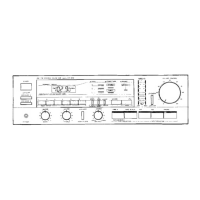
Kenwood KR-896 - User Manual

Kenwood KR-896
20 pages
Print Icon
To Next Page IconTo Next Page
Loading...
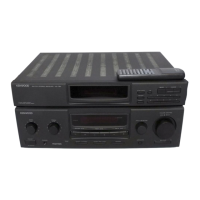
STEREO
RECEIVER
KR-896
KR-796
KR-596
INSTRUCTION
MANUAL
KENWOOD
CORPORATION
For
your
records
Record
the
serial
number,
found
on
the
back
of
the
unit,
in
the
spaces
designated
on
the
warranty
card,
and
in
the
space
provided
below.
Refer
to
the
mode!
and
serial
numbers
whenever
you
call
upon
your
dealer
for
information
or
service
on
this
product.
Model_Serial
Number_
Unpacking
Unpack
the
unit
carefully
and
make
sure
that
all
accessories
are
put
aside
so
they
will
not
be
lost.
Examine
the
unit
for
any
possibility
of
shipping
damage,
If
your
unit
is
damaged
or
fails
to
operate,
notify
your
dealer
immediately.
If
your
unit
was
shipped
to
you
directly,
notify
the
shipping
company
without
delay.
Only
the
consignee
{the
person
or
company
receiving
the
unit)
can
file
a
claim
against
the
carrier
for
shipping
damage,
We
recommend
that
you
retain
the
original
carton
and
packing
materials
for
use
should
you
transport
or
ship
the
unit
in
the
future.
Accessories
Remote
control
unit.1
Batteries
(R6/AA).2
FM
indoor
antenna
...
1
Loop
antenna
stand
..........
1
AM
loop
antenna.1
(The
shape
of
the
loop
antenna
provided
may
differ
depending
on
the
area.)
Contents
Read
the
pages
marked
^
carefully
to
ensure
safe
operations.
^
Before
applying
power....2
^
Safety
precautions.....2
System
connections..
3
FM
DE-EMPHASIS/CHANNEL
SPACE
switch.5
Controls
and
indicators...6
Remote
control
operation..8
Operating
instructions.10
Reception
of
radio
broadcast.12
Operation
of
Dolby
Surround
playback
(KR^96/KR-790
only).
1
4
Operation
of
Dolby
PRO
LOGIC
playback
{KR-896yKR-796
only).15
Dolby
3
STEREO
Mode
{KR-896/KR-796
only).
.
.
1
7
In
case
of
difficulty.18
^
Specifications...19
B60-2531-00
Cgt)
(P.
Y)
"
Al
Question and Answer IconNeed help?

Do you have a question about the Kenwood KR-896 and is the answer not in the manual?

Summary

Unpacking

Accessories

Special Features

Before Applying Power

AC Voltage Selection

Instructions on how to set the AC voltage selector switch for proper operation.

Safety Precautions

General Safety Warnings

Important warnings regarding electrical shock, moisture, and servicing.

System Connections

Antenna Connection Guide

Speaker Connection

System Connections and Operation

FM De-emphasis;Channel Space Switch

Controls and Indicators (KR-896;KR-796)

Front Panel Controls and Indicators

Detailed explanation of all buttons, knobs, displays, and indicators on the receiver's front panel.

Standby Mode of Power Key

Controls and Indicators (KR-596)

Front Panel Controls and Indicators (KR-596)

Detailed explanation of all buttons, knobs, displays, and indicators on the KR-596 receiver's front panel.

Remote Control Operation (KR-896;KR-796)

Loading the Batteries

Step-by-step instructions for inserting batteries into the remote control unit.

Remote Control Functions

Explanation of various buttons on the remote for controlling different functions and components.

Remote Operating Procedure

Remote Control Operation (KR-596)

Loading the Batteries (KR-596)

Instructions for inserting batteries into the KR-596 remote control unit.

Remote Control Functions (KR-596)

Explanation of buttons on the KR-596 remote for controlling functions and components.

Remote Operating Procedure (KR-596)

Operating Instructions

Basic Operation

Step-by-step guide for essential operations like power, source selection, volume, and tone adjustments.

Audio Output Operations

Ordinary Tape Recording

Reception of Radio Broadcast

Preset Station Tuning and Memory

Guide to tuning radio stations and storing them in memory presets.

Receiving a Preset Station

Sequential Preset Station Playback (P.CALL)

Playback of Videotape

Dolby Surround Playback Operation (KR-896;KR-796)

Dolby Surround Effect and Presence

Explanation of the immersive sound experience provided by Dolby Surround and its presence.

Speaker Positioning for Dolby Modes

Recommended speaker layouts for Dolby PRO LOGIC and Dolby 3 STEREO modes.

Dolby PRO LOGIC Playback Operation (KR-896;KR-796)

Dolby PRO LOGIC Field Adjustment

Step-by-step guide to adjusting Dolby PRO LOGIC settings for optimal surround sound.

Center Mode Selection

Explanation of NORMAL, WIDE BAND, and PHANTOM center modes for Dolby Surround.

Dolby PRO LOGIC Playback

Dolby 3 STEREO Mode Operation (KR-896;KR-796)

Dolby 3 STEREO Adjustment

Steps for adjusting the Dolby 3 STEREO mode for optimal center channel performance.

Dolby 3 STEREO Playback

How to play software with Dolby 3 STEREO and adjust volume and tone.

Troubleshooting (In Case of Difficulty)

Resetting the Microprocessor

Procedure to reset the microprocessor in case of unit malfunction or errors.

Remote Control Unit Troubleshooting

Common issues and solutions for the remote control unit's operation.

Tuner Section Troubleshooting

Problems and fixes related to radio reception and preset station recall.

Amplifier and Speaker Troubleshooting

Solutions for sound output issues, speaker problems, and humming noise.

Specifications

Technical Specifications

Detailed technical data for the audio section, tuner performance, and general unit characteristics.

Regulatory Information (USA)

Summary

Unpacking

Accessories

Special Features

Before Applying Power

AC Voltage Selection

Instructions on how to set the AC voltage selector switch for proper operation.

Safety Precautions

General Safety Warnings

Important warnings regarding electrical shock, moisture, and servicing.

System Connections

Antenna Connection Guide

Speaker Connection

System Connections and Operation

FM De-emphasis;Channel Space Switch

Controls and Indicators (KR-896;KR-796)

Front Panel Controls and Indicators

Detailed explanation of all buttons, knobs, displays, and indicators on the receiver's front panel.

Standby Mode of Power Key

Controls and Indicators (KR-596)

Front Panel Controls and Indicators (KR-596)

Detailed explanation of all buttons, knobs, displays, and indicators on the KR-596 receiver's front panel.

Remote Control Operation (KR-896;KR-796)

Loading the Batteries

Step-by-step instructions for inserting batteries into the remote control unit.

Remote Control Functions

Explanation of various buttons on the remote for controlling different functions and components.

Remote Operating Procedure

Remote Control Operation (KR-596)

Loading the Batteries (KR-596)

Instructions for inserting batteries into the KR-596 remote control unit.

Remote Control Functions (KR-596)

Explanation of buttons on the KR-596 remote for controlling functions and components.

Remote Operating Procedure (KR-596)

Operating Instructions

Basic Operation

Step-by-step guide for essential operations like power, source selection, volume, and tone adjustments.

Audio Output Operations

Ordinary Tape Recording

Reception of Radio Broadcast

Preset Station Tuning and Memory

Guide to tuning radio stations and storing them in memory presets.

Receiving a Preset Station

Sequential Preset Station Playback (P.CALL)

Playback of Videotape

Dolby Surround Playback Operation (KR-896;KR-796)

Dolby Surround Effect and Presence

Explanation of the immersive sound experience provided by Dolby Surround and its presence.

Speaker Positioning for Dolby Modes

Recommended speaker layouts for Dolby PRO LOGIC and Dolby 3 STEREO modes.

Dolby PRO LOGIC Playback Operation (KR-896;KR-796)

Dolby PRO LOGIC Field Adjustment

Step-by-step guide to adjusting Dolby PRO LOGIC settings for optimal surround sound.

Center Mode Selection

Explanation of NORMAL, WIDE BAND, and PHANTOM center modes for Dolby Surround.

Dolby PRO LOGIC Playback

Dolby 3 STEREO Mode Operation (KR-896;KR-796)

Dolby 3 STEREO Adjustment

Steps for adjusting the Dolby 3 STEREO mode for optimal center channel performance.

Dolby 3 STEREO Playback

How to play software with Dolby 3 STEREO and adjust volume and tone.

Troubleshooting (In Case of Difficulty)

Resetting the Microprocessor

Procedure to reset the microprocessor in case of unit malfunction or errors.

Remote Control Unit Troubleshooting

Common issues and solutions for the remote control unit's operation.

Tuner Section Troubleshooting

Problems and fixes related to radio reception and preset station recall.

Amplifier and Speaker Troubleshooting

Solutions for sound output issues, speaker problems, and humming noise.

Specifications

Technical Specifications

Detailed technical data for the audio section, tuner performance, and general unit characteristics.

Regulatory Information (USA)

Overview

This document is an instruction manual for the Kenwood Stereo Receiver models KR-896, KR-796, and KR-596. It provides comprehensive information on the device's functions, usage, and maintenance.

Function Description:

The Kenwood Stereo Receiver is designed to provide high-quality audio reception and playback. It features an AM/FM stereo receiver with an auto-tuning system and 30-station random preset memory, allowing users to easily access and store their favorite radio stations. The receiver also includes various input selectors for connecting external audio and video components such as CD players, turntables, cassette decks, and VCRs.

For models KR-896 and KR-796, advanced surround sound capabilities are integrated. These models support Dolby Surround Pro Logic playback, which allows users to experience a cinematic audio effect similar to movie theaters from video software programs carrying the Dolby Surround mark. This feature extracts surround data from compatible sources, creating an immersive sound environment. Additionally, these models offer Dolby 3 Stereo Mode, which provides an active center channel for a better, more stable center image. This mode is particularly useful for stereo video programs and music, or when a full surround system setup is not feasible.

The receiver also includes an ADAPTOR jack, which allows for the connection of external audio processing equipment like graphic equalizers. This enhances the flexibility of the system, enabling users to customize their audio output.

Usage Features:

The manual details the step-by-step process for setting up and operating the receiver.

Power and Basic Operation:

Users can turn the power on and off using either the main unit's power switch or the remote control. The receiver features a "Standby mode" where a small amount of current is supplied to back up memory contents, allowing for remote power control.

Input Selection:

The input selector knob on the main unit or the INPUT key on the remote control allows users to switch between various audio/video sources (TUNER, PHONO, CD, TAPE, VIDEO). The selected source name is displayed on the unit.

Volume and Tone Control:

Volume can be adjusted using the VOLUME CONTROL knob on the main unit or the VOLUME CONTROL keys on the remote. The volume level is indicated by a 10-point bar display. Bass and treble levels can be fine-tuned using the tone control knobs on the main unit. A BALANCE control knob is also available to adjust the left and right speaker volume balance.

Muting Function:

A MUTE key on the remote control allows for temporary silencing of the audio, with a MUTING indicator blinking on the display. Pressing the key again resumes the previous volume.

Headphone Listening:

The receiver includes a PHONES jack for private listening. When headphones are plugged in, the SPEAKERS switch should be set to OFF to silence the main speakers.

Radio Reception:

The manual provides instructions for receiving broadcast stations and storing them in preset memory.

  • Antenna Connection: Detailed methods for connecting AM loop, AM outdoor, FM indoor, and FM outdoor antennas are provided, emphasizing optimal placement for best reception.
  • Tuning Mode: Users can select between AUTO tuning mode for automatic station search or MANUAL tuning mode for precise frequency selection.
  • Preset Memory: Up to 30 stations can be stored in random preset memory, regardless of their broadcast bands. Stations can be recalled using the P.CALL key or numeric keys on the remote. The P.CALL function also allows for sequential listening to all preset stations.
  • FM DE-EMPHASIS/CHANNEL SPACE Switch: This switch on the rear panel allows adjustment of FM de-emphasis and channel spacing to match regional broadcast standards. Users are advised to disconnect the power cord before changing this setting.

System Control Operation:

When connected to other Kenwood system components (CD player, turntable) via SYSTEM CONTROL terminals, the receiver enables automatic play operation. For example, selecting a source like CD or turntable will automatically put the connected component into play mode. These connected components can also be controlled via the receiver's remote control.

Dolby Surround Playback (KR-896/KR-796 only):

  • Dolby PRO LOGIC Field Adjustment: This section guides users through setting up the Dolby PRO LOGIC mode, including selecting the center mode (NORMAL, WIDE BAND, PHANTOM) and adjusting volume balance and delay time. A test tone function assists in balancing speaker levels.
  • Dolby 3 STEREO Mode Adjustment: Similar to Pro Logic, this section covers setting up Dolby 3 STEREO mode, selecting the center mode, and adjusting center speaker volume using a test tone.
  • Returning to Normal Stereo Playback: A BYPASS key allows users to easily switch back to normal stereo playback from any surround mode.

Maintenance Features:

The manual includes important information for maintaining the device and troubleshooting common issues.

Unpacking and Shipping:

Users are advised to unpack the unit carefully, check for shipping damage, and retain the original carton and packing materials for future transport or shipping.

AC Voltage Selection:

For models shipped to countries other than the U.S.A. and Canada, an AC voltage selector switch on the rear panel allows users to match the unit's voltage setting to their local line voltage. A small screwdriver is required for this adjustment, and improper setting can void the warranty.

Safety Precautions:

The manual highlights critical safety warnings, including preventing exposure to rain or moisture, and cautions against removing the cover to avoid electric shock. It also explains the meaning of the lightning flash and exclamation point symbols.

System Connections:

Detailed diagrams and instructions are provided for connecting various components, including graphic equalizers, surround speakers, center speakers, VCRs, CD players, cassette decks, and turntables.

  • Firm Connections: Emphasizes the importance of firmly connecting cords to prevent sound loss or noise.
  • Power Cord Disconnection: Users are instructed to remove the power cord from the AC outlet before plugging or unplugging connection cords to prevent malfunctions or damage.
  • ADAPTOR Terminals: Instructions for using shorting pins when ADAPTOR terminals are not in use are provided to ensure sound production.

Troubleshooting Guide:

A comprehensive "In case of difficulty" section helps users diagnose and resolve common problems.

  • Microprocessor Reset: Instructions are given on how to reset the microprocessor if the display is distorted or the unit malfunctions.
  • Remote Control Issues: Solutions for non-operational remote controls, such as replacing batteries or checking connections.
  • Tuner Section Problems: Remedies for issues like no radio reception or interference, including antenna connection and placement advice.
  • Amplifier Section/Speaker Problems: Solutions for no sound output, sound from only one speaker, or issues with surround/center speaker output, typically involving checking speaker connections and balance/level settings.
  • Hum Noise: Advice on resolving hum noise when PHONO input is selected, by ensuring secure audio cord insertion and proper grounding.

General Advice:

The manual advises against using contact cleaners, especially those containing oil, as they may deform plastic components. It also notes that Kenwood continuously advances its products, so specifications may change without notice.

Kenwood KR-896 Specifications

General IconGeneral
Frequency Response5Hz - 50kHz
Total Harmonic Distortion0.09%
Input Sensitivity (line)200mV
Input Sensitivity (MM)2.5mV
Dimensions440 x 123 x 350mm
Weight10.2kg
Tuning rangeFM, MW
Signal-to-Noise Ratio (MM)86dB
Signal-to-Noise Ratio (line)105dB
Speaker load impedance8 Ω
Channel Separation50 dB

Related product manuals