7-29
TIRES AND WHEELS
TIRE CARE
For proper maintenance, safety, and
maximum fuel economy, you must
always maintain recommended tire
inflation pressures and stay within the
load limits and weight distribution
recommended for your vehicle.
INFLATION PRESSURES
Check all tire pressures (including the
spare) monthly when the tires are cold.
“Cold tires” means the car has not been
driven for at least three hours or driven
less than one mile (1.6 km).
Recommended pressures must be
maintained to ensure ride quality, vehicle
handling, and minimum tire wear.
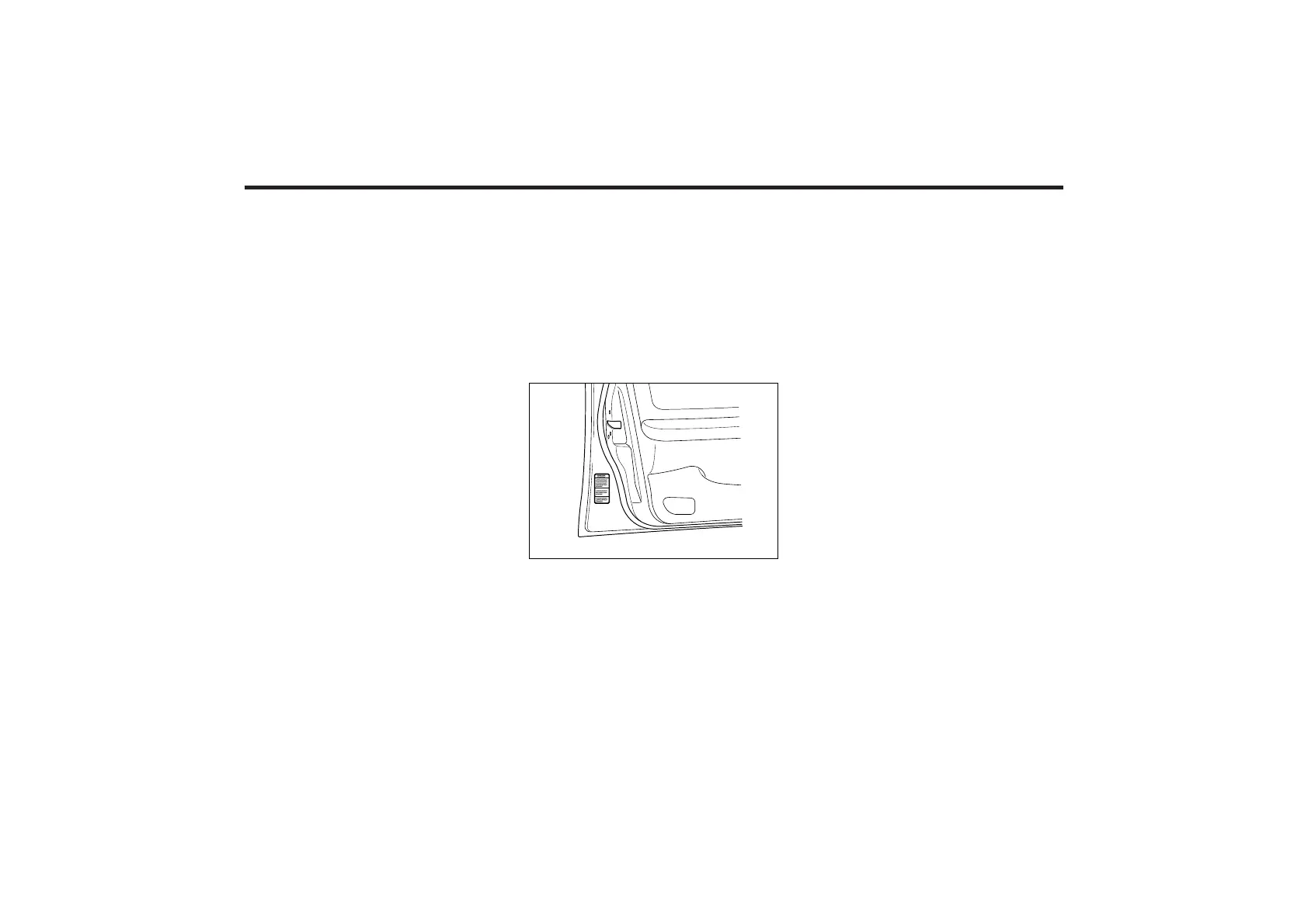
All specifications (sizes and pressures)
can be found on a label attached to the
front driver’s door.
The correct tire pressure is 30 psi (210
kPa).
NOTICE:
• Warm tires normally exceed
recommended cold tire pressures
by 4 to 6 psi (28 to 41 kPa). Do not
release air from warm tires to
adjust the pressure. The tires will
become underinflated when cold.
• Underinflation results in excessive
wear, poor handling, reduced fuel
economy, and the possibility of
blowouts from overheated tires.
Also, low tire pressure can cause
poor sealing of the tire bead. If the
tire pressure is excessively low,
wheel deformation and/or tire
separation are possible. Keep tire
pressures at the proper levels. If a
tire frequently needs refilling, have
it checked by an Authorized Kia
Dealer or a tire shop.
• Overinflation produces a harsh
ride, handling problems, excessive
wear at the center of the tire tread,
and a greater possibility of damage
from road hazards.
EMSA7019












 To Next Page