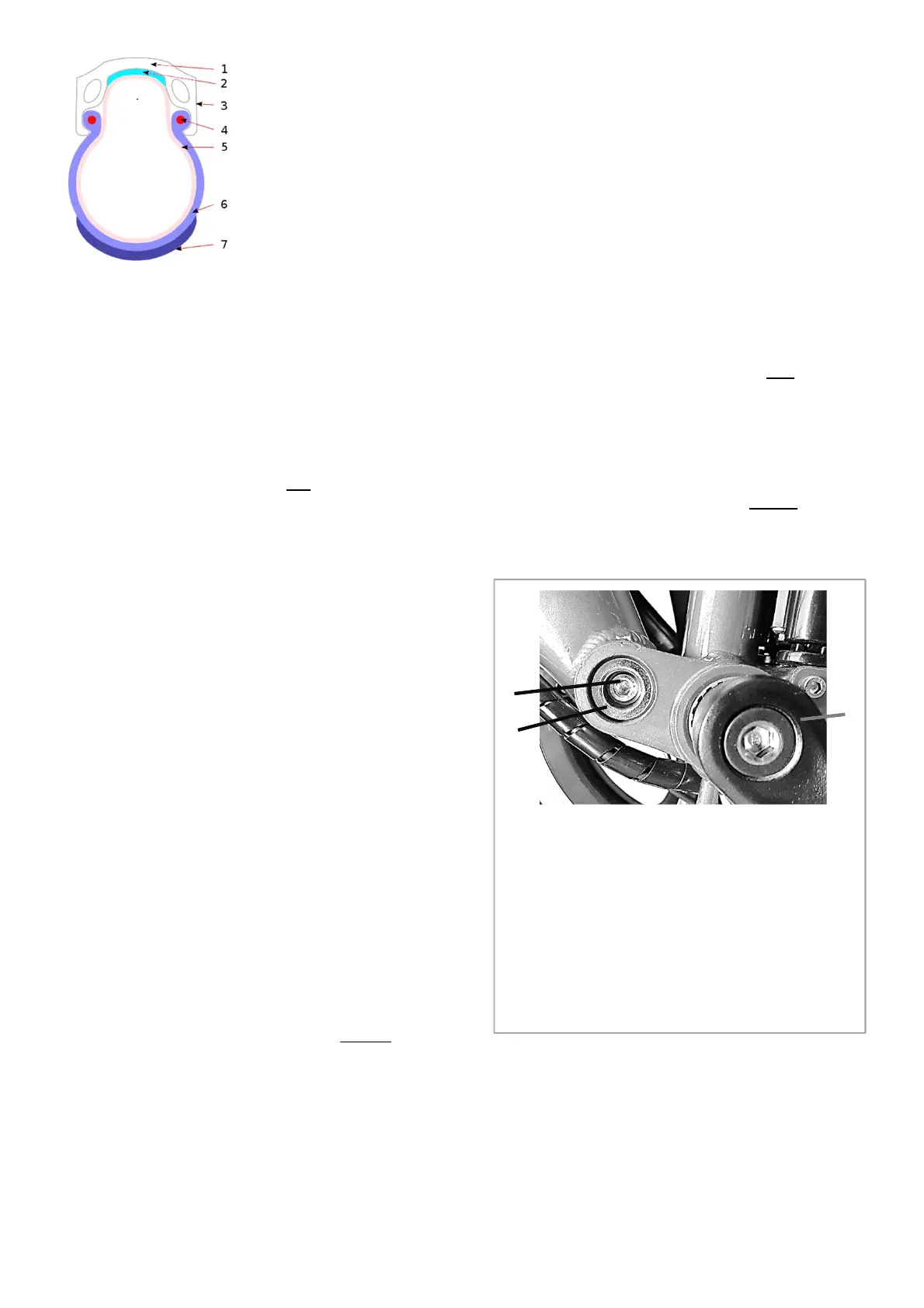
FigureT1:Cross‐sectionoftyreandrim:1:rim,2:rimstrip,3:rimbrakingsurface,4:beadcore,5:
innertube,6:casing,7:tread.Imagesource:Wikipedia,AuthorDeerwood.
Wheels: When changing a tyre or tube make sure that a rim strip is installed covering all spoke
holes and nipples to protect the tube from puncture. Inspect the spokes and make sure the
wheel is not wobbly. Clean rims every month with a moist rag and water to allowrimbrakesto
perform well. Check the rim for wear every month. Replace rim if it is worn or has signs of
damage. To check wheel hub bearings lift wheel off ground and spin it by hand. There should be
no unusual noise. Try to move wheel left and right. The bearings shouldn't be loose. If there are
issues have wheel replaced or repaired by a professional.
WARNING! A worn rim may cause the wheel to malfunction while riding causing you to fall.
Replacing tyres: Standard tyres consist of an outer tyre and a separate inner tube (Figure T1). Ifthetubeispuncturedit
needs to be replaced or patched. Make sure tube is same size as old tube. To remove tyres use your hands or a suitable tyre
lever available at bike shops. Do not use sharp objects like a screwdriver as they may damage the rim, tyre and tube. To
remove a wheel follow the instructions in this manual. Rim brakes need to be released first to allow wheel to be removed.
To remove tyre and tube, fully deflate inner tube and move tyre bead to centre of rim. Use tyre levers to lift one bead core
across the rim. Start opposite the valve as the valve will be in your way. You mayhavetousethreelevers.Takecarenotto
damage tyre or tube. Do this around the whole wheel until one bead is completely outside the rim. Remove tube, then
remove second bead from rim.
To install tyres and new tube, first carefully check the rim for any damage, cracks or sharp objects. Make sure rim strip is
installed correctly. Inflate tube until it takes shape, however don’t fully inflate it. Place it inside tyre, insert valve stem
through opening in rim and insert one bead using your hands into the rim around the whole wheel. Take care not to damage
the tube. Then, using your hands push the tube into the centre of the rim around the whole wheel. Insert second bead into
rim by hand. If it is too difficult, carefully use tyre lever without pinching the tube. Push stem of valve through opening in rim
and inflate tyre to half pressure. Check around wheel if tube is correctly on inside and tyre on outside. Adjust if necessary.
Deflate tube again to prevent pinching. Finally inflate to pressure recommended on tyre wall.
Theframeset(frameandfork)
• The frame is an important part of the bike to which many
parts such as the rear wheel, fork and seatpost attach. It
is critical to make sure that the frame is in good condition.
• If suspension is installed into the frame refer to the
respective section of this manual for suspension
maintenance.
• Do not expose frame to heat over 158° Fahrenheit (70°
Celcius).
• Onlycleanwithdamp,softrag,milddetergentandwater.
Only use small amounts of water to make rag damp.
• Avoid water intrusion into electrical components. Do not
spray any components with water or immerse into water.
• Do not use corrosive or harsh chemicals. After cleaning
wipe damp parts with dry, clean rag.
• Only use original seatposts with correct diameter, length
and correct minimum insertion marks. Installation of
seatpost with incorrect diameters, excessive length or too
short minimum insertion marks can damage the frame.
• When installing parts into threads on the frame make
sure the correct parts are used and that the threads on
the frame are not damaged, e.g. by over‐ or under‐
tightening. Clean all threads before installation, and insert
components at correct angle carefully by hand. If there is
too much resistance installing a part it may indicate cross‐
threading. Un‐screw part, re‐align and then re‐insert.
Only use tools to tighten part after it has been fully
inserted into thread by hand.
• Do not try to adjust frame by bending. Damaged frames
and forks should be reported and need to be replaced or
repaired.
Inspection: Check of the frame and fork before each ride for
scratches, deformation, chips or any other signs of damage.
Inspect fork in detail every year during headset service. This
should be done by a bike professional.
19
Rim,TyresandTubes
Figure FR1. SuperT and CrossX ebike only. LEFT side of
bike. The left pedal arm (8) is attached to the bottom
bracket. A few inches towards the front of bike there
is the bushing bolt (9). If there is a black rubber cover
remove the cover gently for example using the flat
end of a screwdriver. Make sure that the bushing bolt
(9) is tight using a 6mm Allen key. Tighten to 10 Nm.
The bushing bolt secures the left and right bushing at
the pivot hinge of the suspension frame. Ensure that
the bushings (10) are installed safely and not loose.
Inspect every 30 days.
9
8
Suspension
Check the bolts on all suspension parts and pivots
every 30 days. The suspension should not be able to
be fully compressed as that may cause the movement
to stop suddenly and may cause the rider to fall.
Accessories
Check your accessories, for example mudguards,
lights, kickstand, rack, chainguard every 30 days and
adjust attachment and alignment if necessary. The
rear rack is not centered however this does not affect
the function of the bike.
10
©LeitnerPtyLtd2019


 To Next Page