9
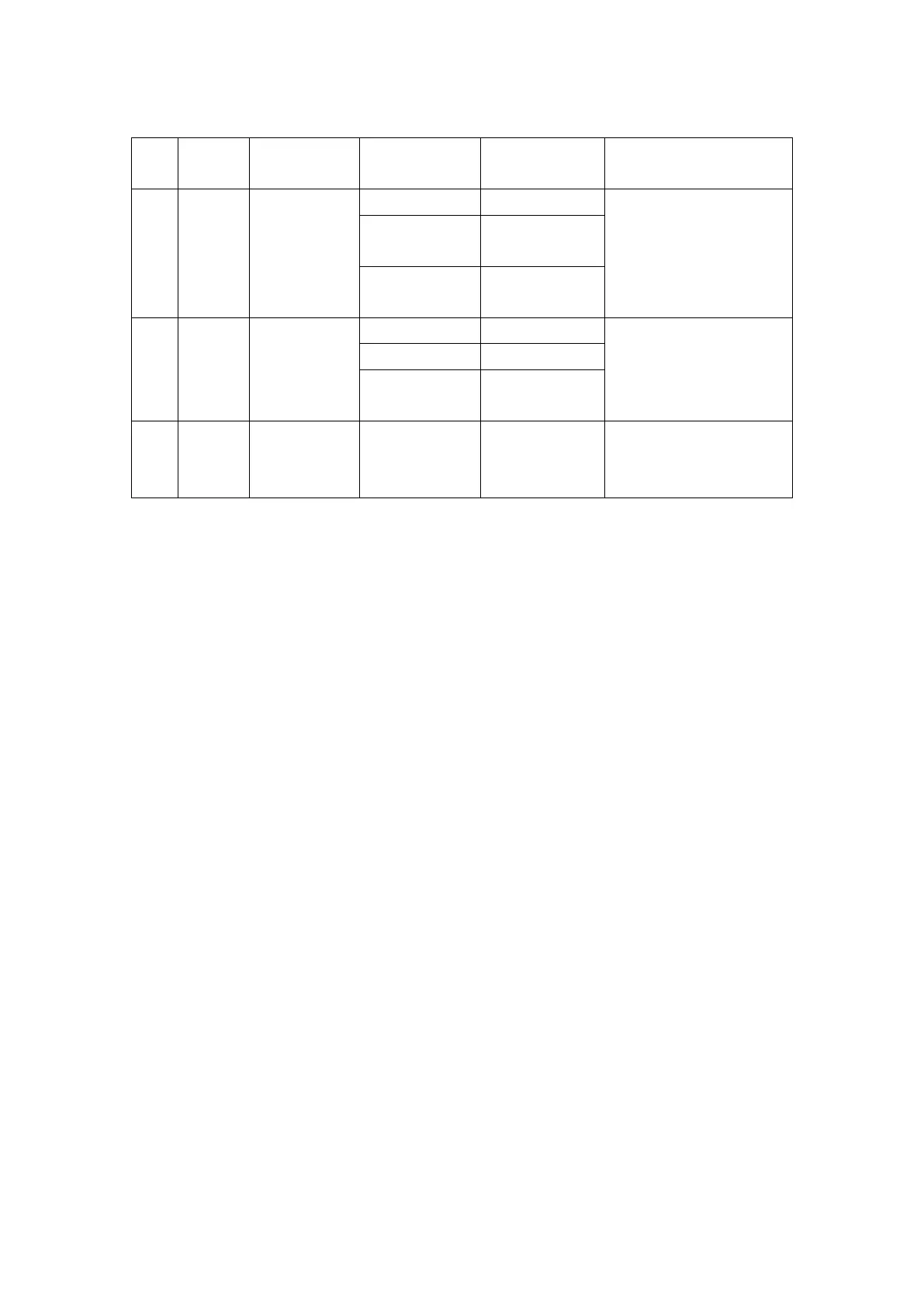
c. Circuit Socket Number and Definition
Connect J1 in the
DC/DC Power board
Connect AC power
input inlet
Connect AC power
input inlet
d. Caution:
The AC/DC power board can reach to a high voltage of 400V. The workbench is
required to be isolated and avoid touching the high voltage circuit parts. High voltage
may cause electric shock hurts.
While using a multimeter or oscilloscope to test, the pens cannot short out the live
parts in the circuit board, or the circuit board would be damaged.
While using an oscilloscope or multimeter powered by mains to test the circuit of
mains in the AC/DC power board (primary non-isolated side circuit), the isolated
differential voltage probe must be used to measure, or it will damage the board and
test instrument.
While using an oscilloscope multi-channel probe to test the circuit, all ground loops of
the probe in the oscilloscope must be connected to the same potential point, or it will
damage the board and test instrument.
2.4.2 The DC/DC Power Board
a. The Circuit Introduction
The DC/DC power board is from the AC/DC power board with main functions as
follows:
(1) Management circuit of battery charge: the charging current of lithium battery is
limited at around 200mA. As charging voltage boots, charging current gradually decreases.
A fully charge for 1500mA battery generally needs 8-10 hours.
(2)18V stepper motor driving power supply: 18V DC power supply is provided to the
stepping motor. The maximum current is 600mA.
(3)5V DC power supply: provides power supply to the digital circuit, CPU, the sensor
circuit. A maximum input current is 3A.
(4)3.7V maintaining power supply: provides maintaining power supply to CPU and



 To Next Page