EasyManua.ls Logo

Miller WP Series - User Manual

Miller WP Series
20 pages
Print Icon
To Next Page IconTo Next Page
Loading...
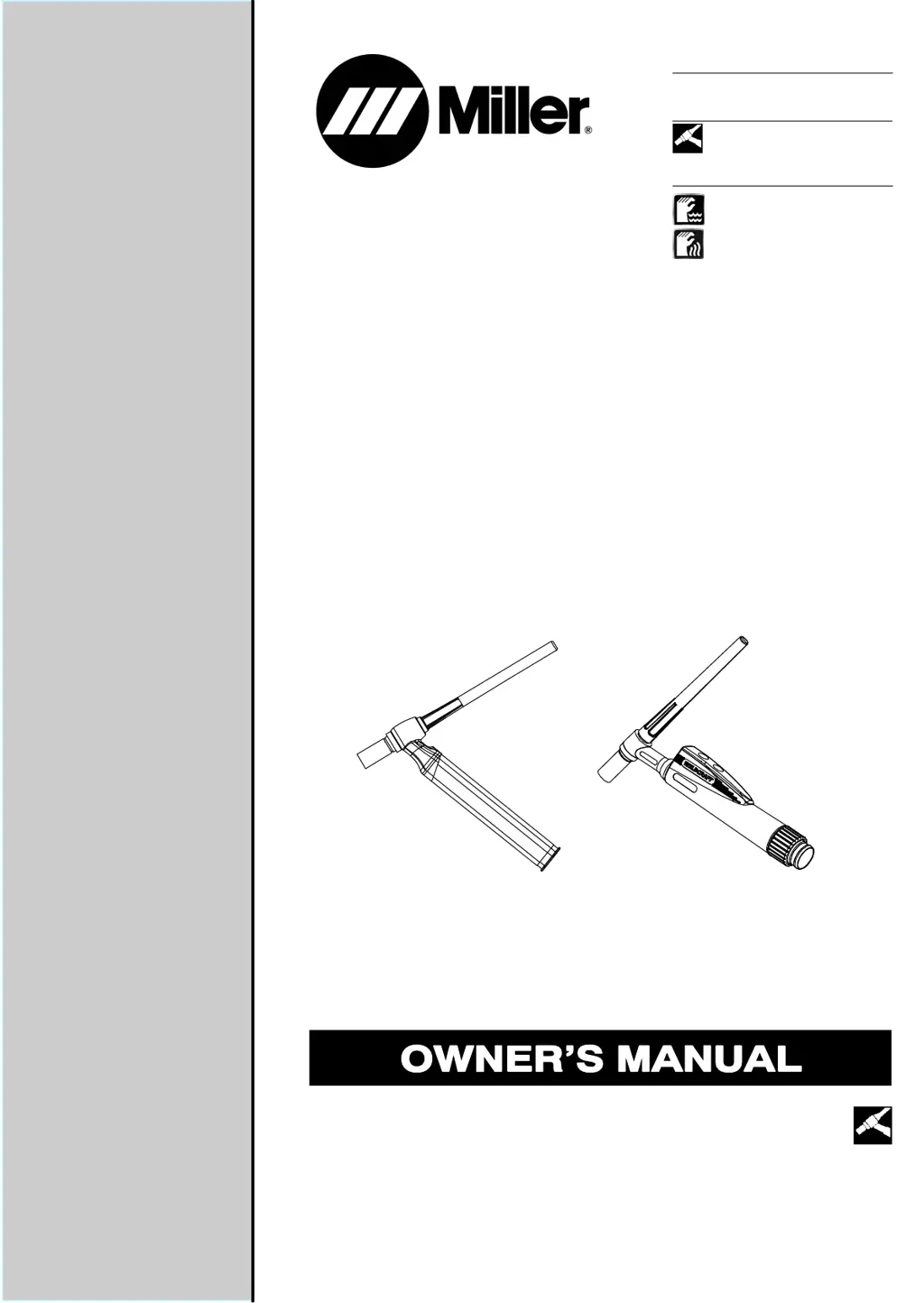
WP And CS Series Torches
Processes
Description
TIG (GTAW) Welding
Hand-Held Water-Cooled TIG
(GTAW) Torches
Hand-Held Air-Cooled TIG
(GTAW) Torches
File: TIG (GTAW)
OM-251981C 2018-02

Questions and Answers

  • D
    David MaxwellAug 13, 2025
    What to do if there is porosity in Miller Flashlight weld?
    • G
      grahamjacobAug 14, 2025
      If you notice porosity in your weld, here are a few things you can check: * Ensure the gas flow rate is correct, referring to the manufacturer's recommendations. * Inspect and tighten all gas fittings. * Verify that the base and filler materials are clean and free from any contaminants. * Check for impurities or moisture in the gas lines; purge if needed. * If your torch is water-cooled, inspect the torch and cables for any water leaks, and repair or replace them if necessary.
  • P
    Paula ThomasAug 17, 2025
    Why is the arc erratic on my Miller Flashlight?
    • J
      Jaclyn MosleyAug 17, 2025
      An erratic arc could stem from several factors: * If using DC, verify the polarity and/or polarity of the welding cables. * If using AC, check the welding power source High Frequency control setting, ensuring it operates continuously. * Select the correct size and type of tungsten and prepare it properly. * Adjust the arc length to the proper distance, ensuring it is neither too long nor too short. * Ensure the base material is clean and free of contaminants. * If using AC, adjust travel speed to avoid a slow pace that can cause an erratic arc.
  • C
    Cheryl RamosAug 21, 2025
    How to fix no shielding gas flow from Miller Flashlight torch?
    • B
      Bernard CampbellAug 21, 2025
      If there's no shielding gas flowing from your torch, make sure the valves on the gas supply are open. Also, inspect the cable for any kinks or blockages. Check and tighten all gas supply fittings, and examine the cables and torch for cracked insulation or bad connections. Repair or replace any damaged parts.
  • P
    petersryanAug 25, 2025
    What causes excessive tungsten electrode consumption in Miller Flashlight?
    • A
      Allen CampbellAug 25, 2025
      Excessive tungsten electrode consumption can occur due to several reasons. Make sure you select the proper size and type of tungsten and prepare it correctly. Check the polarity setting on the welding power source. Ensure you have the correct gas flow rate, consulting the manufacturer's recommendations. If your torch is water-cooled, inspect the torch and cables for water leaks, and repair or replace them if necessary.
  • A
    Ashley AndersonAug 28, 2025
    What to do if tungsten electrode oxidizing on Miller Flashlight?
    • B
      banksmichaelAug 28, 2025
      If the tungsten electrode is oxidizing and not remaining bright after welding, shield the weld zone from drafts. Increase the postflow time and gas flow rate, consulting the manufacturer’s recommendations. Check and tighten all gas fittings, and inspect the gas valve and flow meter/regulator. Ensure you've selected the proper size and type of tungsten and prepared it correctly.
  • S
    Stephen WilliamsSep 1, 2025
    Why is it difficult to establish an arc with Miller Flashlight?
    • D
      Debra AcostaSep 1, 2025
      Difficulty in establishing an arc may be due to a lack of high frequency. Select the correct size and type of tungsten and prepare it properly. Check the cables and torch for cracks or bad connections, ensuring the torch cables are not close to any grounded metal. Repair or replace any necessary parts. Check torch consumables, ensuring the collet and collet body are correctly installed and tightened. Check the welding power source High Frequency control, and if necessary, check and adjust spark gaps.
  • E
    Elizabeth JonesSep 5, 2025
    How to fix wandering arc on Miller Flashlight?
    • D
      deborahcummingsSep 5, 2025
      A wandering arc can be caused by a few factors. Shield the weld zone from drafts and reduce the gas flow rate. Ensure you select the proper size and type of tungsten and prepare it correctly. If using AC, check the welding power source High Frequency control setting and increase it if needed.
  • A
    Arthur WalkerSep 9, 2025
    What causes yellow powder or smoke on Miller Flashlight cup?
    • T
      Terri WashingtonSep 9, 2025
      The appearance of yellow powder or smoke on the cup may be due to using the wrong type of shielding gas. Ensure you are using the proper type and check for the correct gas flow rate, consulting the manufacturer’s recommendations. Increase the postflow time and check the torch cup size, matching it to the joint being welded.

Summary

SECTION 1 - SAFETY PRECAUTIONS FOR GTAW TORCHES

1-1. Symbol Usage

Explanation of hazard symbols and their meanings in the manual.

1-2. Arc Welding Hazards

Details on potential hazards associated with arc welding processes.

SECTION 3 - SPECIFICATIONS

SECTION 4 - INSTALLATION

4-1. Required Torch Parts And Torch Assembly - CS Series Torches

Lists and illustrates parts for assembling CS Series torches.

4-2. Required Torch Parts And Torch Assembly - WP Series Water-Cooled Torches

Lists and illustrates parts for WP Series water-cooled torches.

4-3. Required Torch Parts And Torch Assembly - WP Series Air-Cooled Torches

Lists and illustrates parts for WP Series air-cooled torches.

SECTION 5 - MAINTENANCE & TROUBLESHOOTING

5-1. Routine Maintenance

Procedures for regular maintenance of welding torches.

5-2. Troubleshooting

Guidance on diagnosing and resolving common welding torch issues.

SECTION 7 - SELECTING AND PREPARING A TUNGSTEN

SECTION 8 - GUIDELINES FOR TIG WELDING (GTAW)

TRUE BLUE WARRANTY

Miller WP Series Specifications

General IconGeneral
BrandMiller
ModelWP Series
CategoryFlashlight
LanguageEnglish

Related product manuals