EasyManua.ls Logo

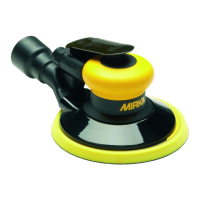
MIRKA ROS - User Manual

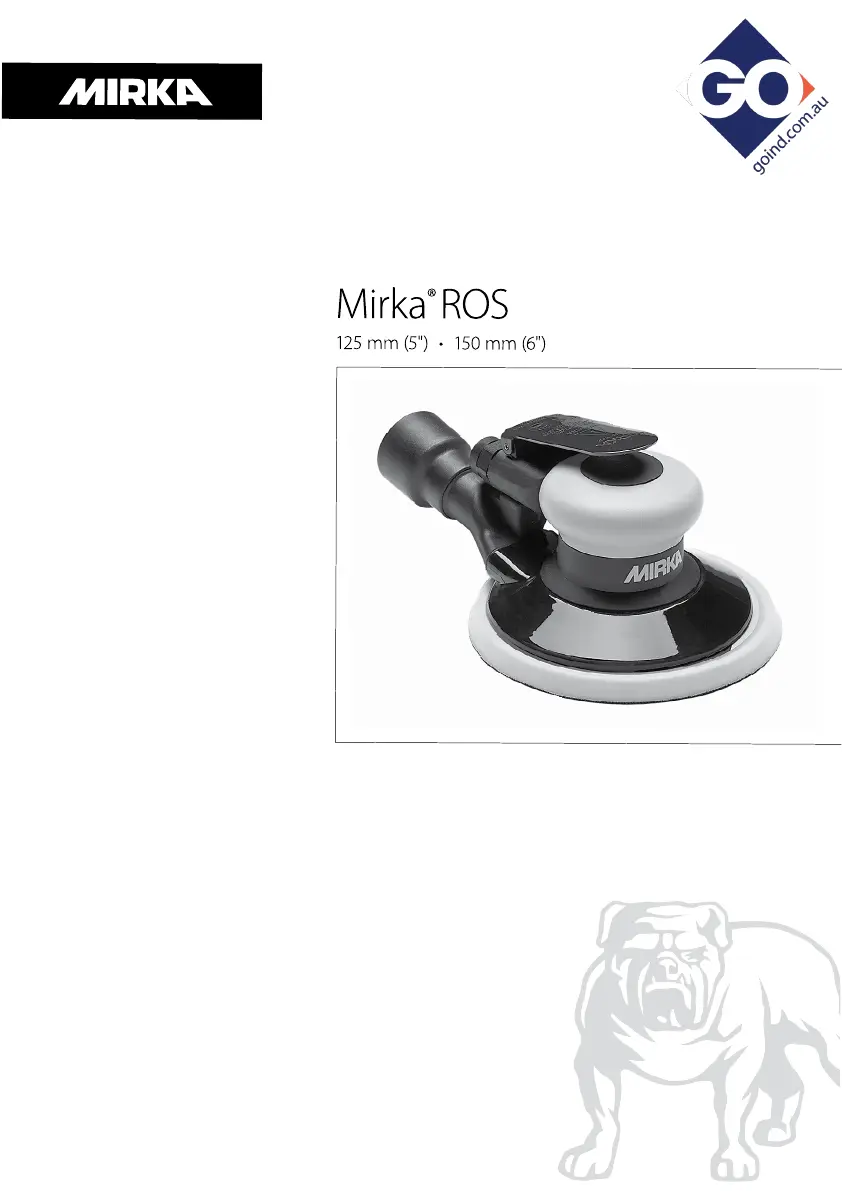
MIRKA ROS
9 pages
Print Icon
To Next Page IconTo Next Page
Loading...

Questions and Answers

  • M
    Megan RodriguezJul 30, 2025
    How to fix low free speed on my MIRKA ROS?
    • A
      Ashley ClarkJul 30, 2025
      To address low power or low free speed in your MIRKA Sander, start by inspecting the air line pressure at the sander's inlet during operation; it should measure 6.2 Bar (90 psig/620 kPa). Other possible causes include: * Clogged muffler(s): Clean or replace as needed. * Plugged inlet screen: Clean or replace if cleaning is insufficient. * Worn or broken vanes: Replace with a complete set, coating them with pneumatic tool oil. * Internal air leakage: Check motor alignment and lock ring engagement. * Worn or broken spindle bearings: Replace the bearings.
  • C
    Corey BryantAug 6, 2025
    What causes air leakage in the speed control of my MIRKA Sander?
    • J
      Justin GuerraAug 6, 2025
      Air leakage through the speed control or valve stem of your MIRKA Sander is often due to a dirty, broken, or bent valve spring, valve, or valve seat. To resolve this, disassemble the affected components, inspect them carefully, and replace any worn or damaged parts.
  • C
    Crystal WilliamsAug 14, 2025
    Why does my MIRKA Sander have low power?
    • L
      Lawrence RamirezAug 14, 2025
      If your MIRKA Sander has low power or low free speed, first check the air line pressure at the inlet while the tool is running; it should be 6.2 Bar (90 psig/620 kPa). Other potential causes include clogged muffler(s), which can be cleaned or replaced, a plugged inlet screen that needs cleaning or replacement, worn or broken vanes requiring a complete new set, internal air leakage in the motor housing (check motor alignment, lock ring engagement, and O-ring), worn motor parts (in such case contact authorized Mirka Service Center), or worn or broken spindle bearings that need replacement.
  • K
    Kathy WilsonAug 20, 2025
    What to do if my MIRKA ROS Sander has excessive vibration?
    • K
      Kimberly KennedyAug 20, 2025
      Rough operation of your MIRKA Sander can stem from several issues. Ensure you're using the correct pad size and weight designed for the machine and only use abrasive or interface designed for the machine. Avoid attaching any unapproved materials to the sander pad. Another cause may be improper lubrication or foreign debris buildup, requiring disassembly and cleaning. Worn or broken rear or front motor bearings can also cause vibration, needing replacement. For vacuum machines sanding on flat surfaces, too much vacuum can cause sticking; for DB machines, add extra washer(s) to the pad spindle, and for CV machines, reduce vacuum or add extra washers.

Summary

Parts Page

Parts List

Sander Spare Parts Kits

Declaration of conformity

Operator Instructions

Required Personal Safety Equipment

Lists essential safety gear like glasses, gloves, masks, and ear protection.

Operating Instructions

Proper Use of Tool

Guidance on correct usage, material compatibility, and pad speed limits for the sander.

Work Stations

Recommendations for operating the sander safely and maintaining a secure position.

Putting the Tool into Service

Instructions for connecting the tool to the air supply, including pressure and lubrication requirements.

Technical data

Troubleshooting Guide

MIRKA ROS Specifications

General IconGeneral
BrandMIRKA
ModelROS
CategorySander
LanguageEnglish

Related product manuals