EasyManua.ls Logo

PAC GM3A-RSTX - User Manual

PAC GM3A-RSTX
6 pages
Print Icon
To Next Page IconTo Next Page
Loading...
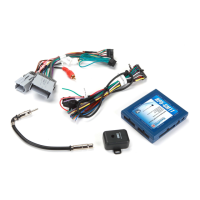
Radio Replacement and Steering Wheel Control Interface
with OnStar Retention for General Motors Vehicles
GM3A-RSTX
© 2018 AAMP Global. All rights reserved. PAC is a Power Brand of AAMP Global.
PAC-audio.com
Pacific Accessory Corporation
Page 1
Rev: 1
Date: 100318
Introduction and Features
Important Notes
Wiring Connection Chart
Illustration / Schematic
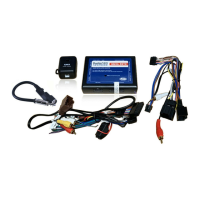
The GM3A-RSTX interface allows the replacement of a factory radio in select General Motors vehicles with 29-bit LAN
radios. Using this interface will retain factory features such as OnStar, steering wheel controls (SWC), warning chimes,
Rear Seat Controls (RSC), factory XM Radio and the BOSE amplier when the original radio is removed. Use of this
interface also allows you to program two radio functions to each SWC button by using short press long press dual
command functionality. The GM3A-RSTX also provides data bus driven outputs such as retained accessory power
(RAP), vehicle speed signal (VSS), illumination, reverse trigger and parking brake.
1. These instructions only apply to R.2.6.6.19 or later revisions. The revision info can be found on a small white sticker on the
interface and packaging.
2. The radio select rotary switch on the side of the interface must be adjusted to the proper radio setting before plugging the
interface into the vehicle (see next page for setting chart).
3. The interface comes pre-programmed for all of the vehicles factory SWC functions and does not require programming unless
you wish to re-assign the SWC functions or utilize short press long press dual command functionality. The SWC can always be
restored to default settings by following the procedure outlined on page 2.
4. RSC buttons that are identical to the SWC will mimic the SWC one for one.
5. The LED will ash whenever a SWC button is pressed.
Light Green Parking Brake Output (-)
Pink Vehicle Speed Output
Blue Not Used
Blue / White Amp Turn On Input
Orange / White Illumination Output (+)
Purple / White Reverse Output (+)
Brown Loop
Mute Loop - See
installation note 8.
Aftermarket Radio Connections
Yellow * +12v from RP Advanced
Yellow * +12v from vehicle
Black ** Ground from RP Advanced
Black ** Ground from vehicle
Red Acc. Output
White Front Left + input
White / Black Front Left - input
Grey Front Right + input
Grey / Black Front Right - input
Green Rear Left + input
Green / Black Rear Left - input
Purple Rear Right + input
Purple / Black Rear Right - input
SWC Connector
Blue / Yellow Kenwood, Newer JVC
3.5mm Jack
Alpine, JVC, Clarion,
Pioneer, Sony, Fusion,
Boyo, Dual, Lightning
Audio, Visteon or
Advent
SWC Connection
See above chart for
different radio type
connections
x3
Wiring SWC Connection
XM R
XM L
Aftermarket
Radio
Connections
Vehicle
Connections
Pacific Accessory Corporation
IMPORTANT NOTES REGARDING YELLOW AND BLACK WIRE CONNECTIONS
* Connect both Yellow wires from the RP Advanced harnesses to the radio’s 12v
constant input
** Connect both Black wires from the RP Advanced harnesses to the radio’s ground
input.
Factory reverse camera and
auxiliary input retention harness
Power and speaker
connections
Question and Answer IconNeed help?

Do you have a question about the PAC GM3A-RSTX and is the answer not in the manual?

Summary

Introduction and Features

Important Notes

Key points and considerations for using the GM3A-RSTX interface, including revision info and switch settings.

Wiring Connection Chart

Details aftermarket radio and SWC connector wiring, including specific wire functions and colors.

Wiring Illustration and Schematic

Diagram illustrating the physical connections for power, speakers, and vehicle interfaces.

Installation Steps

Set Radio Select Switch

Instructions for adjusting the rotary switch on the interface to match the connected vehicle's radio.

Default Steering Wheel Control Programming

Overview of pre-programmed SWC functions and how to restore default settings.

Default SWC Button Assignments

Table showing default assignments for steering wheel control buttons for various radio brands.

Optional Steering Wheel Control Programming

Guide for reassigning SWC functions, using dual command functionality, and mode selection.

Optional Steering Wheel Control Programming (Continued)

Factory Mode vs Aftermarket Mode

Explanation of two modes for controlling OnStar/XM functions, affecting SWC button assignments.

SWC Programming Instructions

Step-by-step guide on how to program custom SWC assignments and dual command functionality.

Optional Steering Wheel Control Programming (Continued)

Optional Programming Order

Chart detailing the sequence for programming specific SWC functions for different radio brands.

Testing and Verification

Testing and Verification Steps

Procedures to verify correct operation of the interface, radio, SWC, and OnStar functions.

Using Rear Seat Audio Controls

Using Radios Dual Zone Source

How to use the aftermarket radio's dual zone audio output with the rear seat controls.

Using Factory XM Radio Tuner

Instructions for controlling the factory XM tuner using the interface and SWC buttons.

Using Factory XM Tuner With SWC

Detailed steps to activate, control, and store presets for the factory XM tuner via SWC.

Rear Seat Entertainment (RSE)

RSE Configuration Scenarios

Details for vehicles with overhead screens only or with additional headrest monitors.

OnStar Volume Adjustment for Vehicles without SWC

Technical Support and Product Updates

Summary

Introduction and Features

Important Notes

Key points and considerations for using the GM3A-RSTX interface, including revision info and switch settings.

Wiring Connection Chart

Details aftermarket radio and SWC connector wiring, including specific wire functions and colors.

Wiring Illustration and Schematic

Diagram illustrating the physical connections for power, speakers, and vehicle interfaces.

Installation Steps

Set Radio Select Switch

Instructions for adjusting the rotary switch on the interface to match the connected vehicle's radio.

Default Steering Wheel Control Programming

Overview of pre-programmed SWC functions and how to restore default settings.

Default SWC Button Assignments

Table showing default assignments for steering wheel control buttons for various radio brands.

Optional Steering Wheel Control Programming

Guide for reassigning SWC functions, using dual command functionality, and mode selection.

Optional Steering Wheel Control Programming (Continued)

Factory Mode vs Aftermarket Mode

Explanation of two modes for controlling OnStar/XM functions, affecting SWC button assignments.

SWC Programming Instructions

Step-by-step guide on how to program custom SWC assignments and dual command functionality.

Optional Steering Wheel Control Programming (Continued)

Optional Programming Order

Chart detailing the sequence for programming specific SWC functions for different radio brands.

Testing and Verification

Testing and Verification Steps

Procedures to verify correct operation of the interface, radio, SWC, and OnStar functions.

Using Rear Seat Audio Controls

Using Radios Dual Zone Source

How to use the aftermarket radio's dual zone audio output with the rear seat controls.

Using Factory XM Radio Tuner

Instructions for controlling the factory XM tuner using the interface and SWC buttons.

Using Factory XM Tuner With SWC

Detailed steps to activate, control, and store presets for the factory XM tuner via SWC.

Rear Seat Entertainment (RSE)

RSE Configuration Scenarios

Details for vehicles with overhead screens only or with additional headrest monitors.

OnStar Volume Adjustment for Vehicles without SWC

Technical Support and Product Updates

Overview

The GM3A-RSTX is a sophisticated interface designed to facilitate the replacement of a factory radio in select General Motors vehicles equipped with 29-bit LAN radios. This device ensures that essential factory features are retained even after the original radio is removed, offering a seamless upgrade experience for vehicle owners.

Function Description

The primary function of the GM3A-RSTX is to act as a bridge between an aftermarket radio and the vehicle's existing electronic systems. It preserves several key factory functionalities, including:

  • OnStar Retention: Maintains the full functionality of the OnStar system, allowing users to continue accessing its services without interruption.
  • Steering Wheel Controls (SWC): Ensures that the vehicle's steering wheel controls remain operational, allowing users to manage their aftermarket radio directly from the steering wheel.
  • Warning Chimes: Retains all factory warning chimes, such as seatbelt reminders, door ajar warnings, and other crucial audible alerts, ensuring vehicle safety and driver awareness.
  • Rear Seat Controls (RSC): For vehicles equipped with rear seat controls, the interface preserves their functionality, allowing rear passengers to control audio and other features.
  • Factory XM Radio: If the vehicle has a factory XM tuner, the GM3A-RSTX allows for its retention, enabling continued access to satellite radio services through the aftermarket head unit's auxiliary input.
  • BOSE Amplifier Retention: For vehicles with a factory BOSE amplifier, the interface ensures that it continues to function correctly with the aftermarket radio, maintaining premium audio quality.

Beyond retention, the GM3A-RSTX also enhances user experience by providing advanced programming capabilities. It allows users to program two distinct radio functions to each SWC button using a "short press" and "long press" dual command functionality. This feature offers greater customization and convenience, enabling quick access to frequently used functions.

Furthermore, the interface provides several data bus-driven outputs that are crucial for aftermarket radio installation:

  • Retained Accessory Power (RAP): Supplies a delayed power output to the aftermarket radio, mimicking the factory RAP feature that keeps the radio on for a short period after the ignition is turned off or until a door is opened.
  • Vehicle Speed Signal (VSS): Provides a vehicle speed signal, which is essential for certain aftermarket navigation systems and other speed-sensitive functionalities.
  • Illumination Output: Delivers an illumination signal, allowing the aftermarket radio's lighting to dim or brighten in sync with the vehicle's dashboard lights.
  • Reverse Trigger: Supplies a reverse trigger signal, which is necessary for aftermarket backup cameras to activate automatically when the vehicle is put into reverse.
  • Parking Brake Output: Provides a parking brake signal, often required by aftermarket head units for safety features, such as preventing video playback while the vehicle is in motion.

Usage Features

The GM3A-RSTX is designed for straightforward installation and configuration, though careful attention to detail is required.

Installation:

  1. Revision Check: It's crucial to ensure that the instructions being followed correspond to the specific revision of the interface, which can be found on a small white sticker on the device and its packaging.
  2. Radio Select Rotary Switch: Before connecting the interface to the vehicle, the radio select rotary switch on the side of the interface must be adjusted to the correct setting for the aftermarket radio being installed. A chart is provided to guide this selection.
  3. Wiring Connections: All wiring connections must be made as described in the provided chart. Special attention should be paid to connecting both yellow wires (from the vehicle harness and RP Advanced harness) to the radio's 12V constant input, and both black wires to the radio's ground input.
  4. Amplifier Connections: The type of factory amplifier (if any) dictates the audio output connection. If a factory amplifier is present, the factory amplifier audio location should be used. Otherwise, the non-amplified factory audio location is appropriate. For Premium BOSE systems, specific subwoofer and center channel RCA inputs should be connected to the aftermarket radio, if available.
  5. Reverse Camera and Auxiliary Input: If the vehicle has a reverse camera and the aftermarket radio has a corresponding input, the yellow RCA plug on the brown connector should be connected. Similarly, if retaining the factory XM tuner, the RCA connectors from the interface should be plugged into the radio's auxiliary input.
  6. CMX Chime Module: The CMX chime module should be plugged in if necessary (if the vehicle chimes when the radio is removed, the CMX is not necessary). For optimal sound, it should be mounted in a clear space, preferably at the bottom of the dash pointing down towards the floor.
  7. Mute Loop: The mute loop, if not cut, will turn off the accessory output during OnStar or Bluetooth calls. If the aftermarket radio has a mute input, this loop can be cut, and the inner brown wire connected to the mute input.
  8. SWC Connection: The SWC wire must be connected according to the chart, ensuring the aftermarket radio supports a wired remote input.

Steering Wheel Control Programming:

The interface comes pre-programmed with default SWC functions. However, users can customize these functions or utilize the short press/long press dual command functionality.

  • Default Restoration: The SWC can be restored to default settings by pressing the program button on the side of the interface once and waiting for the timeout.
  • Optional Programming:
    1. Turn the key to the ignition position.
    2. Press and release the programming button on the side of the interface to select either factory mode (one press) or aftermarket mode (two presses). The LED will blink with each press.
    3. After 2.5 seconds, the LED will turn solid, indicating readiness for programming.
    4. To restore defaults, wait 7 seconds; the LED will blink three times.
    5. To program custom assignments, press the first button on the steering wheel. The LED will turn off.
    6. For short press functionality, release the button within 1.5 seconds. The LED will turn back on.
    7. For long press functionality, hold the button until the LED blinks, then release. The LED will turn solid.
    8. Repeat for additional buttons. If a function is not present or not desired, press and release the program button to skip it.
    9. After programming, wait seven seconds for the LED to flash three times, indicating completion.
    10. Test all functions. If any do not work, repeat the programming steps.

Factory vs. Aftermarket Mode for Mute and Source Buttons:

The Mute and Source buttons can be configured to control factory OnStar/XM functions (factory mode) or aftermarket radio functions (aftermarket mode).

  • Factory Mode: Mute and Source buttons control OnStar and factory XM. They cannot be programmed for dual commands. Preset right button can be programmed for dual commands, but controls XM preset up when XM control is on.
  • Aftermarket Mode: OnStar control through the SWC Mute button is disabled, freeing it for aftermarket radio mute and a second function. To program the Source button for dual commands in vehicles with an external XM tuner, the XM tuner must be unplugged.

Rear Seat Audio Controls (RSE):

  • Dual Zone Source: The RSE controls can toggle between the factory XM tuner and the aftermarket radio. The power button turns RSE controls on/off. Seek arrows and PROG button control the radio as programmed by the SWC interface.
  • Factory XM Radio Tuner: If the RSE controls are set to XM tuner mode, factory XM audio will be heard through headphones. Seek arrows control the XM tuner, and the PROG button scrolls through presets. The factory XM tuner must be serviced to function.

OnStar Volume Adjustment (Vehicles without SWC):

For vehicles without steering wheel controls, the programming button on the interface is used to adjust OnStar audio level. When OnStar is active, pressing the button will raise the audio level four times before returning to the original level.

Maintenance Features

The GM3A-RSTX is designed for long-term reliability and minimal maintenance. The primary maintenance feature is its upgradability:

  • Firmware Updates: The GM3A-RSTX can be updated with new firmware as it becomes available. This is done using the PAC-UP interface updater, which is sold separately. Users can visit the PAC-audio.com/firmware website for available updates. This ensures that the interface remains compatible with new vehicle models, radio technologies, and addresses any potential software enhancements or bug fixes.

Regular testing after installation and any programming changes is recommended to ensure all functionalities are working as expected. If any functions cease to work, repeating the programming steps is the first troubleshooting step. The LED on the interface, which flashes when an SWC button is pressed, serves as a visual indicator of proper communication and can aid in diagnosing issues.

PAC GM3A-RSTX Specifications

General IconGeneral
Input Channels2
Bit Depth24-bit
Headphone Output1/4" TRS
Input TypeXLR/TRS combo
Phantom Power48V
Monitor Output1/4" TRS
Power SourceUSB Bus Power
CompatibilityWindows, macOS

Related product manuals