LC1000 INSTRUCTION MANUAL MAINTENANCE
PAGE 30
SECTION 6 MAINTENANCE/TESTING
6.1 CONSOLE
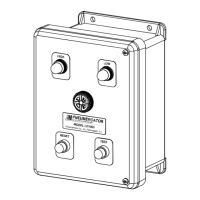
The operation of the LC1000 lights, horn, and relays can be verified by holding down the TEST
button. The TEST button causes all alarm conditions for the system to go to the alarm state. For
this reason, it is best to do this with at least one alarm condition in the normal state otherwise your
horn will not activate since there are no new alarm conditions detected. If the lights and horn do
not activate as expected, follow the troubleshooting instructions found in Section 5.
There are no consumables for the LC1000 therefore no parts need to be changed on a regular
basis. Refer to section 5 for a list of service parts available to repair the LC1000.
6.2 SENSORS
The sensors themselves cannot be tested from the front panel of the LC1000. Instead you must
remove the sensor and manipulate each float by hand to simulate an alarm condition. The only
exception to this rule is in the case of an LS600 equipped with a test lever. This test lever allows
for the testing of the uppermost float, typically used as the overfill protection. See Bulletin 193 for
details on the LS600 Series sensors.
WARNING
Testing MUST be done by qualified personnel familiar with local wiring codes
and explosion hazard electrical safety practices. FAILURE TO COMPLY MAY
RESULT IN PERSONAL INJURY, PROPERTY LOSS AND EQUIPMENT DAMAGE.
It is generally considered good practice to ensure that your system is fully operational on an
annual basis. For thicker or more viscous liquids, you may want to inspect the system more
frequently to confirm that no product has built up on the sensor so as to interfere with its proper
operation. Your local regulations may require testing based on a different schedule so consult
with your regulator/inspector for the frequency of testing needed for your application.


 To Next Page
 Loading...