EasyManua.ls Logo

RIDGID 1233 - User Manual

RIDGID 1233
22 pages
Print Icon
To Next Page IconTo Next Page
Loading...
300 Compact/1233
Français 21
Castellano 43
Türe
67
Русский
89
Threading Machines Manual
300 Compact
1233

Other manuals for RIDGID 1233

Question and Answer IconNeed help?

Do you have a question about the RIDGID 1233 and is the answer not in the manual?

Summary

Safety Symbols

General Power Tool Safety Warnings

General safety practices for many types of power tools.

Work Area Safety

Guidelines for maintaining a safe and clean work environment during operation.

Electrical Safety

Precautions for safe electrical connections and usage of power tools.

Personal Safety and Tool Use

Personal Safety

Personal precautions for safe operation, including PPE and alertness.

Power Tool Use and Care

Guidelines for correct usage, maintenance, and storage of power tools.

Service and Safety Information

Service

Information on servicing the power tool with qualified personnel.

Specific Safety Information

Important safety information specific to these tools.

Safety Instructions for Transportable Threading Machines

Specific safety guidelines for operating transportable threading machines.

Machine Description and Specifications

Description

Overview of the RIDGID 300 Compact and 1233 Threading Machines' functionality.

Specifications

Detailed technical specifications for the 300 Compact and 1233 threading machines.

Equipment and Assembly

Standard Equipment

Details on equipment supplied with specific machine catalog numbers.

Machine Assembly

Procedures for assembling and mounting the threading machines.

Mounting on Stands

Instructions for mounting the threading machines on RIDGID Threader Stands.

Mounting on Bench

Procedure for mounting the machine securely on a stable bench.

Mounting on Pipe Legs

Steps for assembling the machine using pipe legs as a stand.

Pre-Operation and Work Area Setup

Pre-Operation Inspection

Essential checks before operating the threading machine.

Machine and Work Area Set-Up

Procedures for setting up the machine and preparing the work area.

Die Head Setup and Use

Removing;Installing Die Head

Procedure for removing and installing the die head onto the carriage.

Quick-Opening Die Heads - Inserting;Changing Dies

Steps for inserting and changing dies in quick-opening die heads.

Quick-Opening Die Heads - Adjusting Thread Size

How to adjust the thread size on quick-opening die heads.

Quick-Opening Die Heads - Opening at End of Thread

How to open the die head at the end of threading.

Self-Opening Die Heads

Self-Opening Die Heads - Inserting;Changing Dies

Steps for inserting and changing dies in self-opening die heads.

Self-Opening Die Heads - Adjusting Thread Size

How to adjust the thread size on self-opening die heads.

Self-Opening Die Heads - Trigger Slide Adjustment

Procedure for adjusting the trigger slide on self-opening die heads.

Self-Opening Die Heads - Opening at End of Thread

How to open the die head at the end of threading.

Receding Self-Opening Die Heads

Receding Self-Opening Die Heads - Inserting;Changing Dies

Steps for inserting and changing dies in receding self-opening die heads.

Receding Self-Opening Die Heads - Adjusting Thread Size

Procedure for adjusting thread size on receding self-opening die heads.

Receding Self-Opening Die Heads - Adjusting Thread Length

How to adjust the thread length on receding self-opening die heads.

Operating Instructions

Preparing the Die Head to Thread

Steps to prepare the die head for threading operations.

Opening the Die Head at the End of the Thread

How to automatically open the die head upon completing a thread.

Chucking Pipe

How to properly chuck pipe into the threading machine for operation.

Cutting

Step-by-step guide for cutting pipe using the threading machine.

Reaming

Instructions for reaming pipe ends with the threading machine.

Threading Pipe

Procedure for threading pipe using the RIDGID threading machine.

Threading Bar Stock;Bolt Threading

Guide for threading bar stock and bolts with the machine.

Left Hand Threading

Instructions for performing left hand threading operations.

Removing Pipe from the Machine

Steps to safely remove threaded pipe from the machine.

Inspecting Threads

How to visually inspect and check the quality of cut threads.

Maintenance and Preparation

Preparing Machine for Transport

Steps to prepare the threading machine for safe transport.

Maintenance Instructions

General guidelines for maintaining the threading machine.

Cleaning

Procedures for cleaning the threading machine after use.

Lubrication

Guidelines for lubricating moving parts of the machine.

Oil System Maintenance

Steps for maintaining the machine's oil system and filter.

Replacing Cutter Wheel

Procedure for replacing a dull or broken cutter wheel.

Replacing Jaw Inserts

How to replace worn jaw inserts for proper gripping.

Replacing Carbon Brushes

Procedure for checking and replacing worn motor carbon brushes.

Optional Equipment, Storage, and Service

Optional Equipment

List and description of optional equipment for the threading machines.

Machine Storage

Recommendations for safe and secure storage of the threading machines.

Service And Repair

Information on proper service, repair, and authorized technicians.

Disposal and Troubleshooting

Disposal

Guidelines for the proper disposal of threading machine components and waste oil.

Troubleshooting Torn Threads

Solutions for issues causing torn threads during pipe threading.

Troubleshooting Out-of-Round or Crushed Threads

How to resolve issues causing out-of-round or crushed threads.

Troubleshooting Thin Threads

Troubleshooting steps for creating thin threads.

Troubleshooting No Cutting Oil Flow

Solutions for problems related to the absence of cutting oil flow.

Troubleshooting Machine Will Not Run

Diagnosing and fixing issues when the machine fails to run.

Troubleshooting Pipe Slips in Jaws

Resolving problems where pipe slips within the machine's jaws.

Summary

Safety Symbols

General Power Tool Safety Warnings

General safety practices for many types of power tools.

Work Area Safety

Guidelines for maintaining a safe and clean work environment during operation.

Electrical Safety

Precautions for safe electrical connections and usage of power tools.

Personal Safety and Tool Use

Personal Safety

Personal precautions for safe operation, including PPE and alertness.

Power Tool Use and Care

Guidelines for correct usage, maintenance, and storage of power tools.

Service and Safety Information

Service

Information on servicing the power tool with qualified personnel.

Specific Safety Information

Important safety information specific to these tools.

Safety Instructions for Transportable Threading Machines

Specific safety guidelines for operating transportable threading machines.

Machine Description and Specifications

Description

Overview of the RIDGID 300 Compact and 1233 Threading Machines' functionality.

Specifications

Detailed technical specifications for the 300 Compact and 1233 threading machines.

Equipment and Assembly

Standard Equipment

Details on equipment supplied with specific machine catalog numbers.

Machine Assembly

Procedures for assembling and mounting the threading machines.

Mounting on Stands

Instructions for mounting the threading machines on RIDGID Threader Stands.

Mounting on Bench

Procedure for mounting the machine securely on a stable bench.

Mounting on Pipe Legs

Steps for assembling the machine using pipe legs as a stand.

Pre-Operation and Work Area Setup

Pre-Operation Inspection

Essential checks before operating the threading machine.

Machine and Work Area Set-Up

Procedures for setting up the machine and preparing the work area.

Die Head Setup and Use

Removing;Installing Die Head

Procedure for removing and installing the die head onto the carriage.

Quick-Opening Die Heads - Inserting;Changing Dies

Steps for inserting and changing dies in quick-opening die heads.

Quick-Opening Die Heads - Adjusting Thread Size

How to adjust the thread size on quick-opening die heads.

Quick-Opening Die Heads - Opening at End of Thread

How to open the die head at the end of threading.

Self-Opening Die Heads

Self-Opening Die Heads - Inserting;Changing Dies

Steps for inserting and changing dies in self-opening die heads.

Self-Opening Die Heads - Adjusting Thread Size

How to adjust the thread size on self-opening die heads.

Self-Opening Die Heads - Trigger Slide Adjustment

Procedure for adjusting the trigger slide on self-opening die heads.

Self-Opening Die Heads - Opening at End of Thread

How to open the die head at the end of threading.

Receding Self-Opening Die Heads

Receding Self-Opening Die Heads - Inserting;Changing Dies

Steps for inserting and changing dies in receding self-opening die heads.

Receding Self-Opening Die Heads - Adjusting Thread Size

Procedure for adjusting thread size on receding self-opening die heads.

Receding Self-Opening Die Heads - Adjusting Thread Length

How to adjust the thread length on receding self-opening die heads.

Operating Instructions

Preparing the Die Head to Thread

Steps to prepare the die head for threading operations.

Opening the Die Head at the End of the Thread

How to automatically open the die head upon completing a thread.

Chucking Pipe

How to properly chuck pipe into the threading machine for operation.

Cutting

Step-by-step guide for cutting pipe using the threading machine.

Reaming

Instructions for reaming pipe ends with the threading machine.

Threading Pipe

Procedure for threading pipe using the RIDGID threading machine.

Threading Bar Stock;Bolt Threading

Guide for threading bar stock and bolts with the machine.

Left Hand Threading

Instructions for performing left hand threading operations.

Removing Pipe from the Machine

Steps to safely remove threaded pipe from the machine.

Inspecting Threads

How to visually inspect and check the quality of cut threads.

Maintenance and Preparation

Preparing Machine for Transport

Steps to prepare the threading machine for safe transport.

Maintenance Instructions

General guidelines for maintaining the threading machine.

Cleaning

Procedures for cleaning the threading machine after use.

Lubrication

Guidelines for lubricating moving parts of the machine.

Oil System Maintenance

Steps for maintaining the machine's oil system and filter.

Replacing Cutter Wheel

Procedure for replacing a dull or broken cutter wheel.

Replacing Jaw Inserts

How to replace worn jaw inserts for proper gripping.

Replacing Carbon Brushes

Procedure for checking and replacing worn motor carbon brushes.

Optional Equipment, Storage, and Service

Optional Equipment

List and description of optional equipment for the threading machines.

Machine Storage

Recommendations for safe and secure storage of the threading machines.

Service And Repair

Information on proper service, repair, and authorized technicians.

Disposal and Troubleshooting

Disposal

Guidelines for the proper disposal of threading machine components and waste oil.

Troubleshooting Torn Threads

Solutions for issues causing torn threads during pipe threading.

Troubleshooting Out-of-Round or Crushed Threads

How to resolve issues causing out-of-round or crushed threads.

Troubleshooting Thin Threads

Troubleshooting steps for creating thin threads.

Troubleshooting No Cutting Oil Flow

Solutions for problems related to the absence of cutting oil flow.

Troubleshooting Machine Will Not Run

Diagnosing and fixing issues when the machine fails to run.

Troubleshooting Pipe Slips in Jaws

Resolving problems where pipe slips within the machine's jaws.

Overview

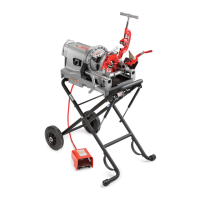
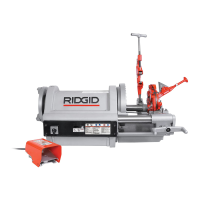
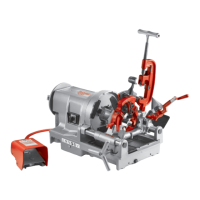
The RIDGID 300 Compact and 1233 Threading Machines are electric motor-driven tools designed for centering, chucking, and rotating pipe, conduit, and bolt stock while performing cutting, reaming, and threading operations. They are equipped with an integral oiling system with an adjustable flow rate to ensure the work is flooded with thread cutting oil during operation. With appropriate optional equipment, these machines can also be used for threading larger pipe sizes (2 1/2" - 4"), short or close nipples, or for roll grooving.

Important Technical Specifications:

Compact Threading Machine:

  • Pipe Threading Capacity (Nominal Pipe Size): 1/8 to 2 inch (3 to 50 mm)
  • Bolt Threading Capacity (Actual Stock Diameter): 1/4 to 2 inch (6 to 50 mm)
  • LH Threads: Yes (units with REV only)
  • Rated Motor Power (HP): 1/2 HP (0.37 kW)
  • Motor Type: Universal Motor, Single Phase
  • Electrical Information:
    • 36 RPM: 115 V, 50/60 Hz, 12 AMP; 230 V, 50/60 Hz, 8 AMP
    • 52 RPM: 115 V, 50/60 Hz, 18 AMP
  • Operating Speed: 1700 W (36 RPM); 2100 W (52 RPM version available)
  • Controls: Rotary Type REV/OFF/FWD (2/0/1) switch and ON/OFF foot switch. Some units use an OFF/ON Rocker Switch in place of the Rotary Switch.
  • Front Chuck: Hammer-Type with replaceable Rocker-Action Jaw Inserts
  • Rear Centering Device: Scroll operated, rotates with Chuck
  • Die Heads: See RIDGID Catalog for available Die Heads
  • Cutter: Model 360, 1/8" - 2" Full Floating, Self Centering Cutter
  • Reamer: Model 344, 1/8" - 2" Reamer
  • Oil System: Reservoir Capacity 3.2 qt (3 l), with integrated Gerotor Pump, adjustable flow rate
  • Weight (Unit with Die Head): 141 lb (64 kg)

Threading Machine:

  • Pipe Threading Capacity (Nominal Pipe Size): 1/8 to 3 inch (3 to 80 mm)
  • Bolt Threading Capacity (Actual Stock Diameter): 3/8 to 2 inch (9.5 to 50 mm)
  • LH Threads: No
  • Rated Motor Power (HP): 1/2 HP (0.37 kW)
  • Motor Type: Universal Motor, Single Phase
  • Electrical Information: 115 V, 50/60 Hz, 15 AMP; 230 V, 50/60 Hz, 8 AMP
  • Operating Speed: 1700 W (36 RPM)
  • Controls: Rotary Type REV/OFF/FWD (2/0/1) switch and ON/OFF foot switch. Some units use an OFF/ON Rocker Switch in place of the Rotary Switch.
  • Front Chuck: Hammer-Type with replaceable Rocker-Action Jaw Inserts
  • Rear Centering Device: Scroll operated, rotates with Chuck
  • Die Heads: See RIDGID Catalog for available Die Heads
  • Cutter: Model 763, 1/4" - 3", Self Centering Cutter
  • Reamer: Model 743, 1/4" - 3", 5-Fluted Reamer
  • Oil System: Reservoir Capacity 3.2 qt (3 l), with integrated Gerotor Pump, adjustable flow rate
  • Weight (Unit with Die Head): 165 lb (75 kg)

Usage Features:

  • Mounting Options: The machines can be mounted on various RIDGID Threader Stands, a level and stable bench using four 1/4" - 20 UNC bolts, or on pipe legs (four 1" (25 mm) pipes cut to 33" (0.84 m) length, secured with 10 mm hex bolts).
  • Pre-Operation Inspection: Before each use, a thorough inspection is required, including checking the power cord and plug, foot switch, warning labels, and the condition of dies, cutter wheel, and reamer cutting edges.
  • Work Area Set-Up: The work area should be clean, well-lit, stable, dry, and adequately ventilated. Proper grounding of the electrical outlet is crucial. Pipe stands are recommended for supporting long or heavy pipes.
  • Die Head Set-Up: The machines support Quick-Opening, Self-Opening, and Receding Self-Opening Die Heads. Dies are inserted with numbered edges up, aligning with corresponding slots. Thread size can be adjusted by aligning the link index mark on the size bar or by slightly offsetting it for larger/smaller diameters.
  • Cutting: The cutter is opened by turning the feed screw counterclockwise, lowered into position, and aligned with the mark on the pipe. The feed screw handle is tightened while the foot switch is depressed to cut the pipe.
  • Reaming: The reamer is moved into position, the REV/OFF/FWD switch is set to FWD, the foot switch is depressed, and the carriage handwheel is used to feed the reamer into the pipe.
  • Threading Pipe: The die head is lowered into threading position, closed, and the REV/OFF/FWD switch is set to FWD. The carriage handwheel is used to start the die head onto the pipe, with cutting oil flowing. The die head automatically opens when the thread is complete (for self-opening models).
  • Threading Bar Stock/Bolt Threading: Similar to pipe threading, ensuring the correct dies and die head are used. Bolt threads can be cut to desired lengths.
  • Left Hand Threading: Possible with the 300 Compact machine (REV/OFF/FWD switch only) by changing oil pump connections to allow oil flow in reverse and using left-hand die heads and dies.
  • Pipe Removal: After threading, the pipe is loosened from the chuck by turning the handwheel counterclockwise, and then removed from the machine.
  • Thread Inspection: Threads should be visually inspected for smoothness and completeness. A ring gauge is the preferred method for checking thread size, ensuring the pipe end is flush with the gauge side plus or minus one turn. Alternatively, a new clean fitting can be used to gauge hand-tight engagement (4-5 turns for 2" and under NPT, 3 turns for BSPT; 5.5-6 turns for 2 1/2"-3" NPT, 4 turns for BSPT).

Maintenance Features:

  • Cleaning: After each use, the chip tray should be emptied, and any oil residue wiped off, especially from exposed surfaces and carriage rails. Jaw inserts can be cleaned with a wire brush to remove pipe scale.
  • Lubrication: All exposed moving parts (carriage rails, cutter wheels and rollers, cutter feed screw, jaw inserts, pivot points) should be lubricated monthly (or more often) with a light lubricating oil.
  • Oil System Maintenance: The oil filter screen, located at the bottom of the reservoir, should be kept clean for sufficient oil flow. Thread cutting oil should be replaced when dirty or contaminated. The oil pump should self-prime; if not, it indicates pump wear and requires service.
  • Replacing Cutter Wheel: If the cutter wheel is dull or broken, the pin should be pushed out, and the wheel replaced. The pin should also be checked for wear and replaced if necessary.
  • Replacing Jaw Inserts: Worn jaw inserts that do not grip pipe should be replaced. This involves turning a screwdriver in the insert slot to remove the old insert and pressing the new insert onto the locking pin, then turning it so the teeth face up.
  • Replacing Carbon Brushes: Motor brushes should be checked every 6 months and replaced if worn to less than 1/2". This involves unplugging the machine, removing the motor cover, unscrewing brush caps, inspecting brushes and commutator, and then reassembling.

RIDGID 1233 Specifications

General IconGeneral
BrandRIDGID
Model1233
CategoryPower Tool
LanguageEnglish

Related product manuals