31!
!
The sails need constant attention as the slightest wear in the stitching or
at reinforced parts become a weak point which can develop into a bigger
damage. Keep a small sail-maker’s kit at hand. Bigger repairs should be
made by a professional sail-maker.
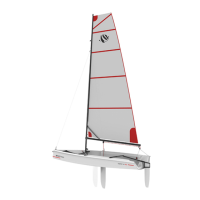
Sails dislike salt water and sun. To maintain them in good condition and
prevent the film to break rinse the sails regularly with fresh water and
leave them to dry before folding. To protect the sails from UV rays, use
sail covers. When folding the mainsail on the boom release the outhaul
tension and use a mainsail cover. If you roll the jib, do it firmly and lift the
cover with the top halyard. If you fold the jib, store it in a sail sack. When
leaving the boat for longer period or after the season always remove, fold
and store the sails in the sail sacks.
DO NOT ever let the sails flatter in the wind while drying
as heavy damage to the stitching and sailcloth may result.
8.5. DECK EQUIPMENT
8.5.1. LIFELINES AND STANCHIONS
Lifelines and other rigging should be checked periodically. Check for the
lashings or turnbuckles which are connecting lifelines and the stanchion in
the stern to be tight properly. As the lines stretch, the slack should be
taken up.
Stainless steel hardware can now and then show signs of rust that should
be removed using a non-chlorinated rust remover or a stainless steel
polish. Rinse with fresh water regularly.
8.5.2. WINCHES AND BLOCKS
Winches should be cleaned and inspected periodically. Check for the
holding bolts to be tight and change the grease regularly. Blocks require
periodic washing in fresh water and a light oiling with a silicone lubricant.
8.5.3. PLEXIGLASS, PORTLIGHTS AND HATCHES
Wash the acrylic hatches and other acrylic components with mild
detergent and warm water. Use a clean and soft cloth, wipe gently. After
cleaning apply wax or non-acidic oil.
To avoid cracking, never use any type of solvent when
cleaning acrylic glass.
DO NOT expose acrylic material to high temperature.



 To Next Page