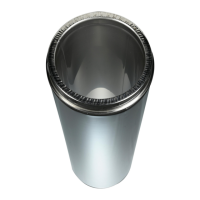
18
*CF-36
*CF-24
*CF-18
*CF-12
*CF-9
*CR-IT
*CF-EL15K
*CF-EL30K
*CF-CBSP
*CF-WSP
*CF-WB
*CF-CCB
URSP
*CF-FRA-A
*CF-FRA-P
URBK
*CF-AIS
*CF-JS
*CF-IWT
*CF-RTS
*CF-SPA
*CF-AP
SUSI
REPLACEMENT PARTS LIST
DESCRIPTION PART N
o
.
36" Chimney Length
24" Chimney Length
18" Chimney Length
12" Chimney Length
9" Chimney Length
Insulated Tee/Tee Plug
15
o
Insulated Elbow Kit
30
o
Insulated Elbow Kit
Ceiling Support Package
Wall Support Package
Wall Band
Cathedral Ceiling Support
Roof Support Package
Flashing Assembly 0/12-6/12
Flashing Assembly 7/12-12/12
Universal Roof Brace
Attic Insulation Shield
Joist Shield
Insulated Wall Thimble
Round Top
Smoke Pipe Adapter
Anchor Plate
Universal Shielding Insulation
SENTINEL CF
An * asterisk denotes the diameter of chimney (6", 7" or 8").
BURN ONLY SEASONEDFIREWOOD!
Wood burns completely only at very high temperatures with
enough oxygen present. The fuel, heat, and oxygen have to mix
together in the same place at the same time. Although all
stages of burning wood actually occur at the same time, it will
burn in 3 stages: boiling off the water, vaporizing wood gases
and burning the charcoal.
Wood burning appliances will burn best with clean, well sea-
soned dry firewood with an ideal moisture content of 18% to
22%. The denser or heavier the wood when dry, the greater its
heat value. Seasoned firewood is essential for an optimum
performance. Seasoned wood will burn hot, emit less smoke
and create less creosote.
Un-seasoned wood when burned, must release water stored
within the wood.This cools the fire, creates creosote and
hampers a complete burn. Be careful of wood advertised as
seasoned. You may want to invest in a moisture meter.
Signs of seasoned firewood are:
- Dark colored; wood darkens with age;
- Cracks in the end grain; radiating from the center of the log like
bicycle spokes;
- Light in weight; which indicates low moisture content - but
hardwood will weigh more than softwood;
- Sound; hit 2 pieces together, wet will have a dull "thud" sound
where as dry will ring like a bat hitting a baseball;
- Easily peeled or broken bark; no green should show under the
bark;
- Burn some; if it hisses, then it is to wet.
The time it takes to season wood varies from 6 to 18 months.
Hardwood dries slower than softwood and some may take well
over a year to dry. To speed-updrying:
- Cut to length;
- Split in a variety of sizes no larger than 6" exposing the wet
interior and increasing the surface area of each piece;
- Stack loosely in a criss cross pattern to get good air circulation;
- Store above ground at least a foot and away from buildings in
a sunny, well ventilated area;
- Cover the top to keep rain and dew off the wood;
- Leave sides open to breezes; for air circulation.
AVOID BURNING "green", "unseasoned" "wet" wood. Heat is
wasted as it must first dry and evaporate the moisture content in
the firewood. As the water evaporates it will form into creosote
which will then condense in the relatively cool firebox and
chimney and will not permit a clean hotburn.


 To Next Page