- 29 -
Getting Ready for Winter
No Winter Use
Just add water. Lots of water. Soak the compost in the drum to prevent it from drying out before
Spring. Make sure to unplug the unit.
Occasional Winter Use
If the unit will be used for 3-4 weekend throughout the winter season then it is considered occa-
sional use.
When the temperature dips below 55 degrees F (13 C), composting activity will
decrease dramatically. These units do not need to be kept warm and will act only as a holding
tank during the winter months until they warm up enough in the spring to begin composting
again. During the winter, the compost will freeze into a solid mass so the drum should not be
turned as it may damage the composting unit. With this in mind, it is a good idea to remove
enough compost before it gets too cold to make room in the drum for winter use.
Heavy or Residential Winter Use
1. All vent pipe should be insulated if they are exposed to the outside or in an unheated area.
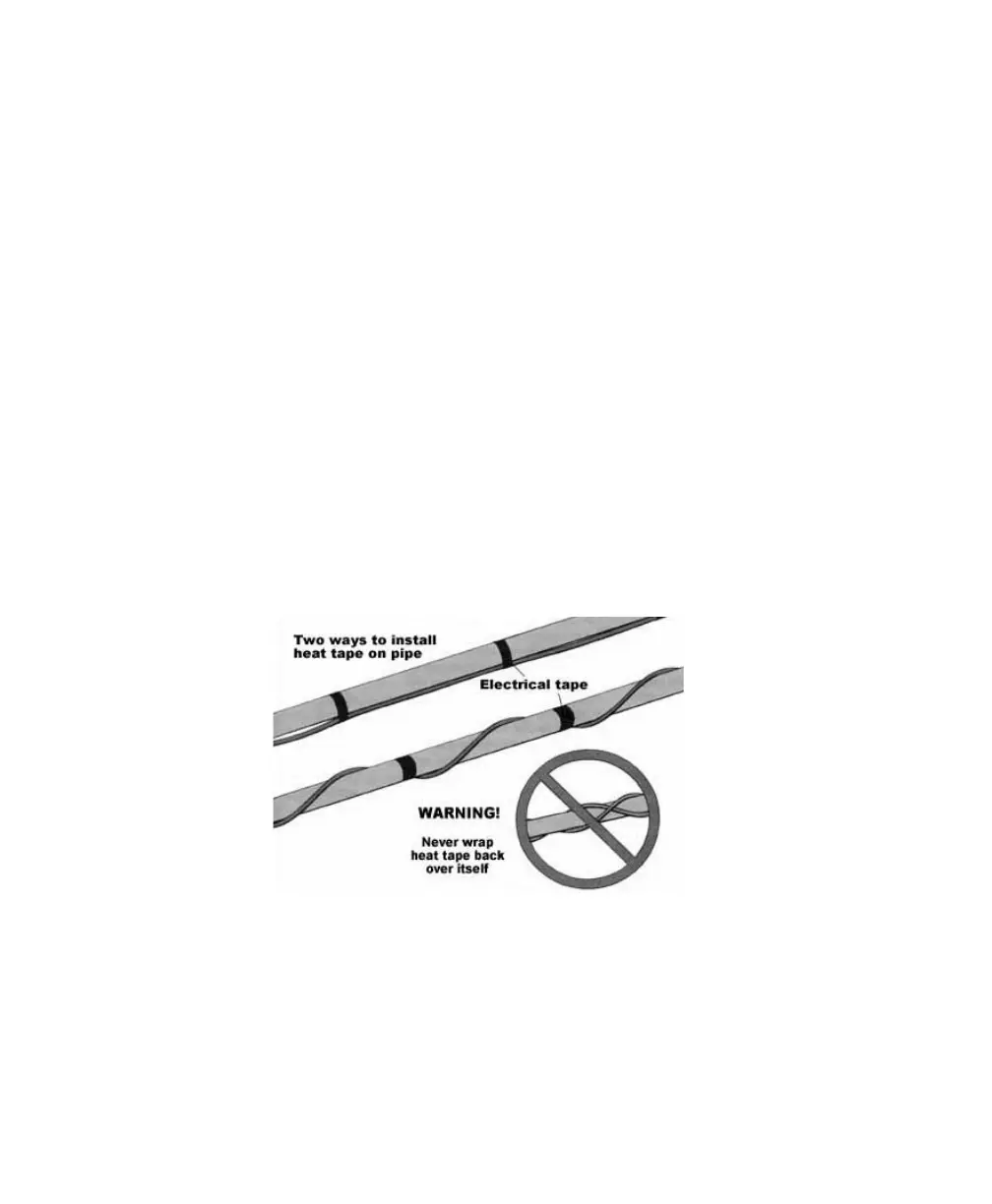
If you are in an area that experiences extreme winter conditions, we recommend that heat tape
should be applied (see diagram) to the exposed vent pipe to prevent ice blockages.
2. Safety Drain - We recommend that the safety drain should be installed and insulated above
the frostline. There will be less evaporation in the winter so this will help with any excess liquid.
If possible, heat tape can be applied to the safety drain to prevent ice blockage (see picture).
3. Keep it warm
If the composting unit is used frequently in the winter then the composting part of the unit
should be kept in a warm place. Below 55 degrees F (13 C), composting action slows dramati-
cally so if it is in a place that falls below this temperature, a source of heat should be provided
for the unit so that it can keep up with constant use.


 To Previous Page