22
OPERATION
ENGINE BREAK-IN
Correct operation of the engine during the break-in period is essential to the performance, reliability, and life of the
engine.
The engine break-in period is:
• the first 50 operating hours of a new engine
• the first 50 operating hours of an engine that has been completely disassembled
• the first few minutes until the engine is warm at each operation
During these break-in periods, operate the vehicle in the following manner:
• Avoid high engine speeds.
• Avoid long periods of idle time.
• Avoid long operating times at low engine speed.
• Avoid long operating times at the same engine speed.
• Avoid long operating times with a full load.
• Vary the engine speed during operation.
• Apply quick bursts of acceleration after the engine has warmed up.
CVT BELT BREAK-IN
The CVT belt break-in period is the first hour of operation on each new belt.
During the CVT belt break-in period, follow the same guidelines as described for engine break-in operation. See
Engine Break-In on page 22.
FUEL
Refer to Fuel Handling Guidelines on page 13 for more information regarding handling and storage of fuel.
Refuel only in well-ventilated areas.
Do not add fuelnear open flame or electrical itemsthat can cause a spark.
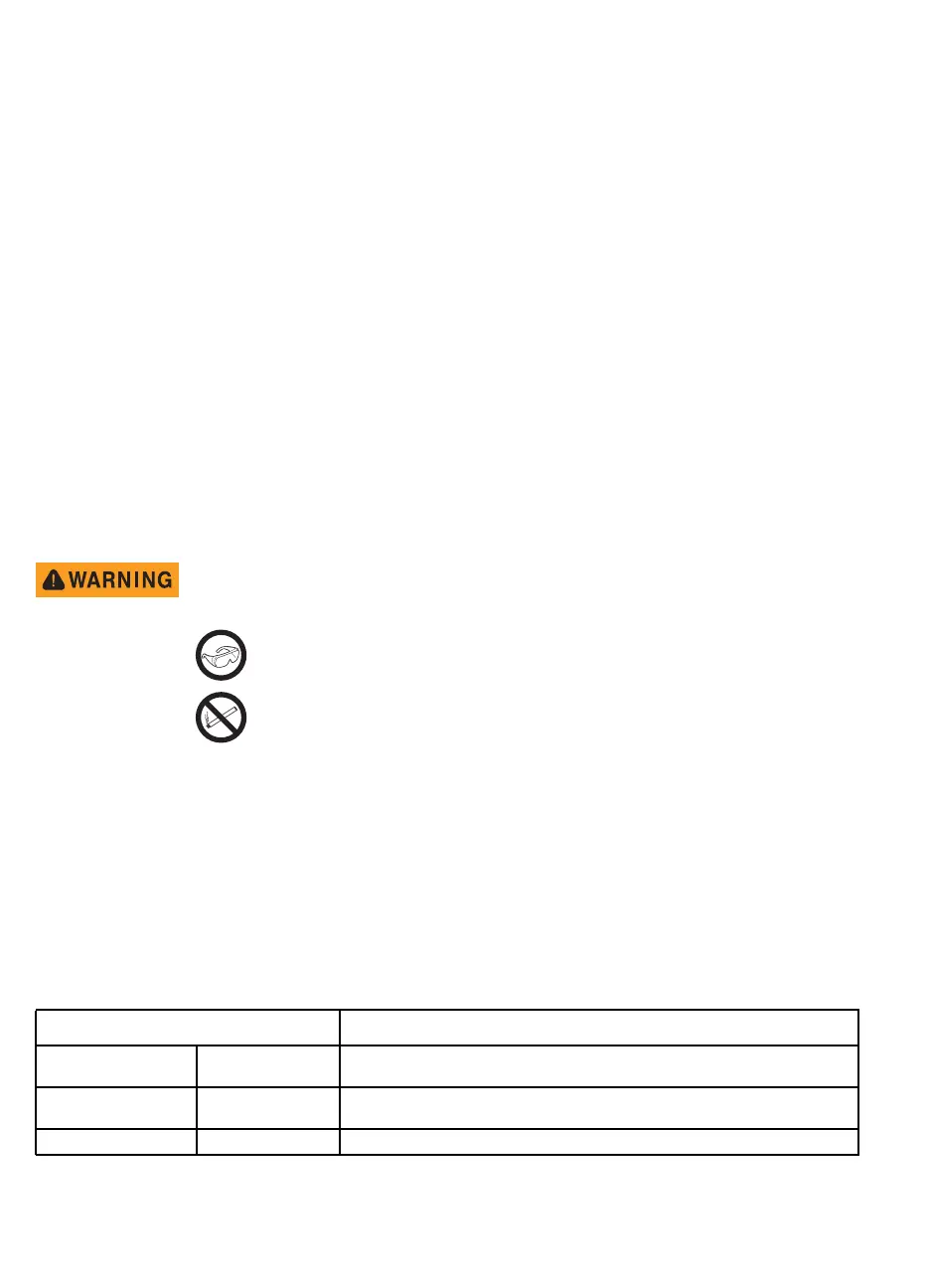
Wear eye protection to protect from splashed fueland fuel vapors.
Never usecigarettesinornear the area where refueling is done or fuel is stored.
Inspectthe fuel cap, tank, and other components for leaksordamage that can cause a
hazardous condition.
Do not overfill the tank. Do not fill the tank neck.
Neveroperate the vehiclewith the fuel tankcap removed.
NOTICE: Oxygenated or reformulated gasoline, is mixed with alcohols or ethers. Excessive amounts of these
blends can damage the fuel system or cause performance problems. If any performance problems
occur, use gasoline with a lower percentage of alcohol or ether.
Use clean, regular grade unleaded fuel. An Ethanol blend of no more than 10% is acceptable.
1. Remove the fuel refill cap that is located under the seat.
2. Fill the tank with clean, automotive grade gasoline. See the following chart for requirements.
3. Replace the cap when refueling is complete.
FuelNOTES
Grade requirement Regular 87 octane High altitude or heavy use/load applications can benefit from higher octane
gasoline.
Ethanol content 10% maximum per-
missible
Exceeding the maximum permissible ethanol concentration can deteriorate the
engine fuel system and starting performance.
Methanol content Not permissible The use of fuels containing methanol is not permissible.


 To Next Page