18-AC129D1-1B-EN 3
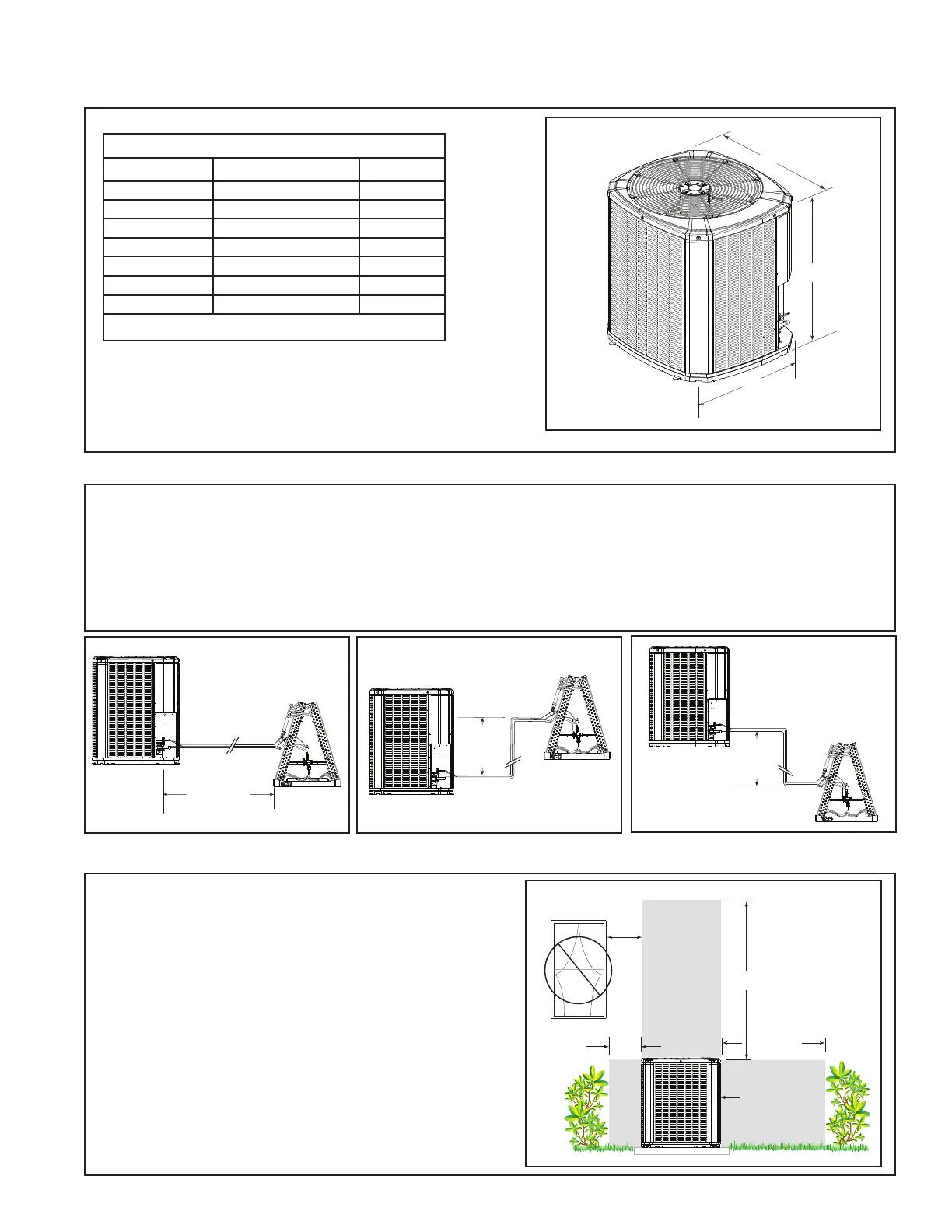
D
H
W
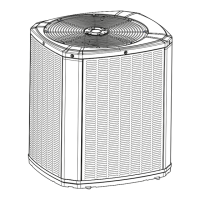
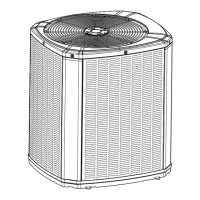
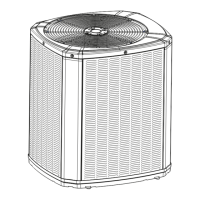
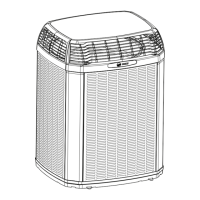
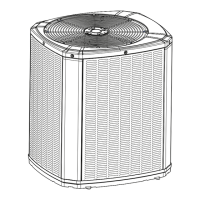
Table 2.1
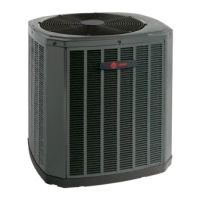
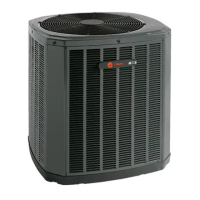
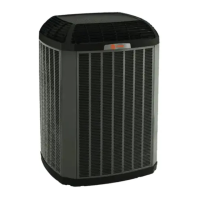
Unit Dimensions and Weight
Models H x D x W (in) Weight* (lb)
5TTR5018A 37 x 30 x 33 184
5TTR5024A 33 x 30 x 33 156
5TTR5030A 37 x 30 x 33 184
5TTR5036A 33 x 30 x 33 156
5TTR5042A 37 x 34 x 37 212
5TTR5048A 45 x 34 x 37 252
5TTR5060A 45 x 34 x 37 252
* Weight values are estimated.
Section 2. Unit Location Considerations
2.1 Unit Dimensions and Weight
2.2 Refrigerant Piping Limits
When mounting the outdoor unit on a roof, be sure the
roof will support the unit’s weight.
Properly selected isolation is recommended to
alleviate sound or vibration transmission to the building
structure.
1. The maximum TOTAL length of refrigerant lines from outdoor to indoor unit should NOT exceed 150 feet
(including lift).
2. The maximum vertical change should not exceed 50 feet.
3. Service valve connection diameters are shown in Table 5.1.
Note: For other line lengths, refer to Refrigerant Piping Application Guide, SS-APG006-EN or Refrigerant Piping
Software Program, 32-3312-03 (or latest revision).
Standard
Line Set
150’ Max
TOTAL Line Length
50’
Max
Vertical
Change
50’
Max
Vertical
Change
Min. 12” to
Shrubbery
Avoid Install
Near Bedrooms
Min 5’ Unrestricted
Access Panel
Min 3’
Unrestricted
2.3 Suggested Locations for Best Reliability
Ensure the top discharge area is unrestricted for at
least five (5) feet above the unit.
Three (3) feet clearance must be provided in front of
the control box (access panels) and any other side
requiring service.
Do not locate close to bedrooms as operational
sounds may be objectionable.
Position the outdoor unit a minimum of 12” from any
wall or surrounding shrubbery to ensure adequate
airflow.
Outdoor unit location must be far enough away from
any structure to prevent excess roof runoff water from
pouring directly on the unit.
Please reference Indoor Unit Installer’s Guide for
correct specifications on indoor unit install.


 To Next Page