IM 25.055AC UA (C/6-01)
AUTOMATIC CHLORINATOR - 3000LB/24HR
38
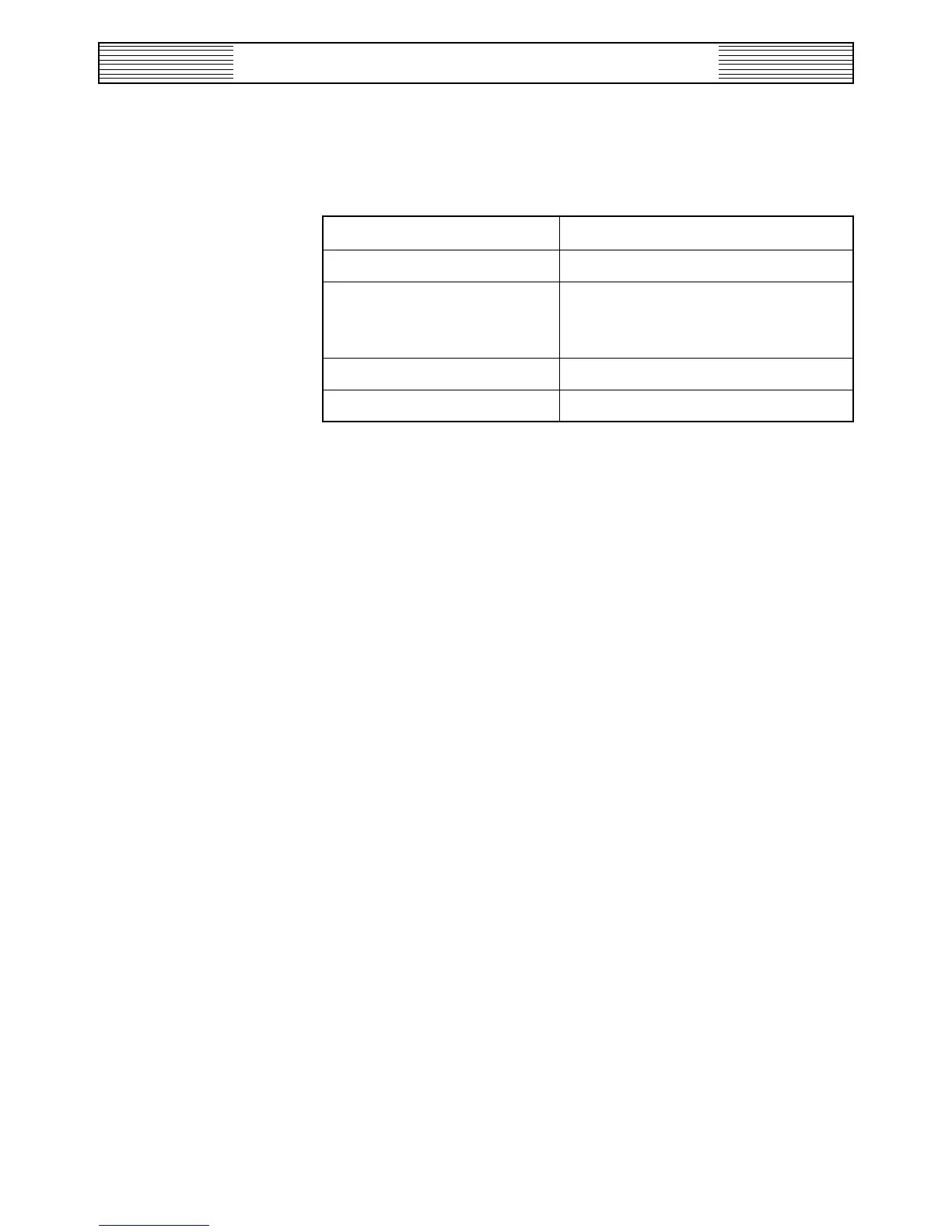
4.11.2 Cleaning
At intervals as tabulated below:
METIECNANETNIAMMROFREPOTNEHW
rotalugeRmuucaV.koobnoitcurtsnietarapesotrefeR
retematoRehtedisnineeserastisopednehW
enoniskcitstaolfehtroebutssalg
.ecalp
gulPhctoN-V.retematorsaemitemastA
yawliaT&taorhTrotcejnI.shtnomxisyrevE
NOTE: The actual frequency of cleaning will depend on calendar
time, the feed rate and amount of gas fed, the care exercised in cylin-
der changing, the source of gas, and the quality of the operating
water. The above maintenance schedule provides recommended clean-
ing intervals; however, your own operating experience is the best
guide to preventive maintenance and may result in significant varia-
tions from the recommended schedule.
4.11.3 Cleaning Rotameter
If a milky-white, powdery-white, green-slimy, or brown-oily deposit is
visible inside the rotameter tube, or if the float has particles clinging to it
or tends to stick to the tube wall at lower feeds, it is time to clean the
rotameter. Proceed carefully to avoid dropping the glass tube or losing the
float down a floor drain or grating. To facilitate handling the float, have a
clean cup, such as a coffee cup or a small beaker, and a pair of tweezers
on hand before starting. Proceed as follows:
a. Turn the knob on the vacuum regulator(s) to OFF. After the supply
vacuum gauge reads 100 inches of water and the rotameter float rests
on the bottom stop, turn off the injector operating water.
b. Remove rotameter. Take care not to lose the end stops, the float, or
any of the O-rings. See Dwg. 25.055.151.010.
c. Place the end stops and float into the cup mentioned above.
d. Many gas contaminants are soluble in water. Hold the tube end under
running warm (110-125°F) water so that the water enters the tube at
one end and exits at the other to flush out deposits. Alternately, soak
the tube in a container of warm water for about 30 seconds. Then



 To Next Page