CHLORINE HANDLING MANUAL
IM 25.000AA UA (B/6-00) PAGE 7
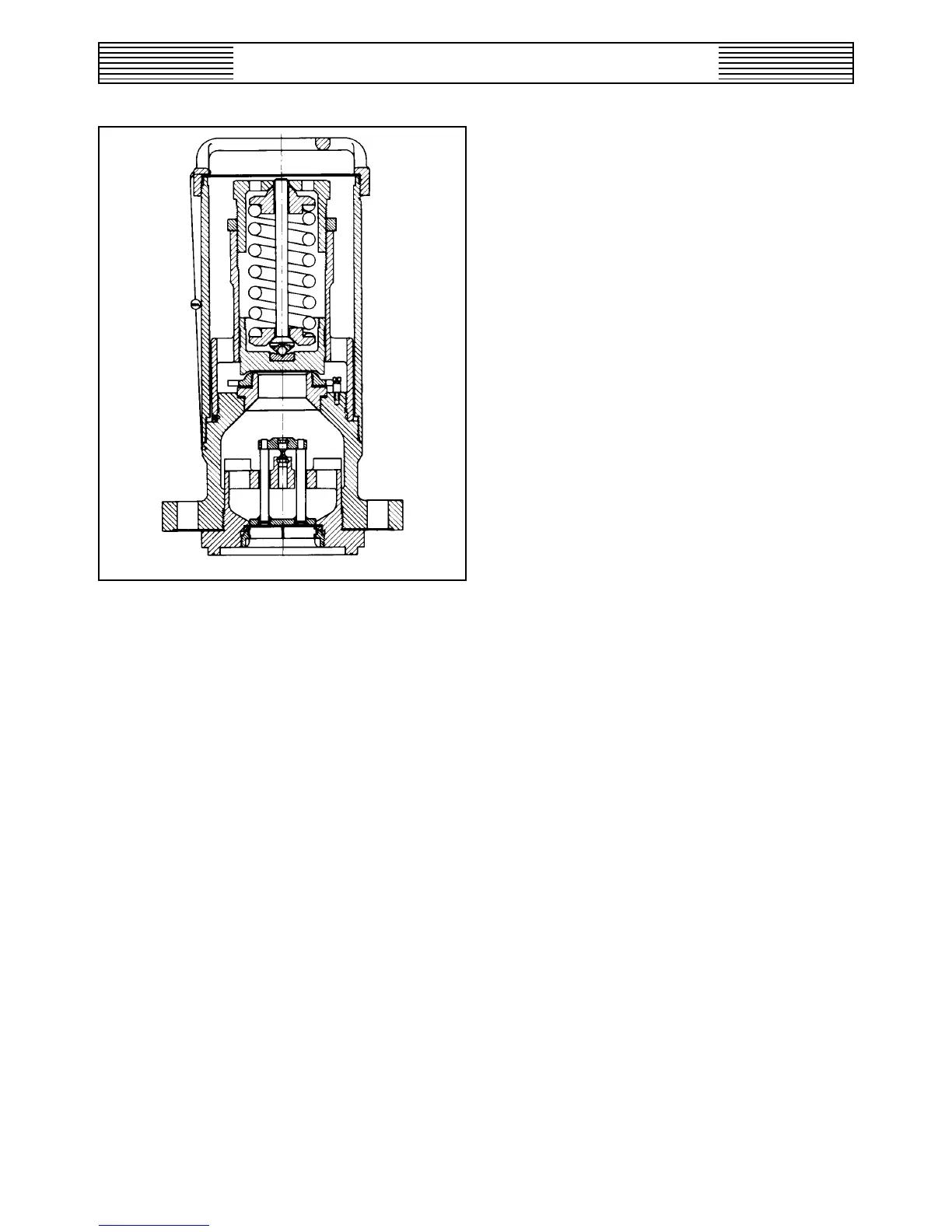
Figure 10 – Standard Safety Relief Device
face locations should leaks occur. Do not store or use chlo-
rine containers near other chemicals or gases.
WARNING: STORE CYLINDERS IN AN UPRIGHT
POSITION. TO AVOID SEVERE PERSONAL INJURY
OR EQUIPMENT DAMAGE, SUPPLY CYLINDERS
MUST BE SECURED IN SUCH A MANNER (E.G.,
CHAIN) AS TO PREVENT THEIR BEING KNOCKED
OVER. TON CONTAINERS MUST BE SECURED IN
SUCH A MANNER (E.G., CROCKS) TO PREVENT
THEIR ROLLING OUT OF PLACE.
Do not remove the protective cap or hood from cylinders or
ton containers until they are ready to be put in actual use. Do
not store containers in a heavily traveled area where physical
contact damage could occur.
It is essential that areas used to house chlorine containers or
equipment be continuously monitored for the presence of
chlorine in the air. This may be a requirement of applicable
laws and/or regulations.
When containers are moved from a storage area to an area
where they will be used, allow sufficient time to stabilize the
temperature, and therefore the pressure, of the container and
the chlorine before it is used.
The chlorine inventory depends to a large extent on local
availability. Consult with chlorine suppliers in the area; review
appropriate fire code requirements concerning storage of
oxidizing materials and other applicable laws and regula-
tions.
When planning space for stored containers, sufficient space
must be allowed for empty containers. The best way to deter-
mine the amount of chlorine remaining in a container is to
weigh the container continuously on a scale. This also makes
it possible to record the amount of chlorine used. Portable or
dormant scales in beam, dial, or digital types and with vary-
ing platform sizes are available.
WARNING: ALWAYS REMOVE WHEELS AND AX-
LES OF PORTABLE SCALES SO THAT THE SCALE
CANNOT MOVE WHEN CYLINDERS ARE ON THE
PLATFORM.
Preferably, scales for cylinders should be installed with their
platform flush with the floor to eliminate the necessity of
lifting the cylinders. Some low profile scales such as the
USF/W&T Two Cylinder Scale (platform 1-1/2 inches above
floor) are low enough that cylinders can be placed on the
scale without lifting. Others are installed with ramps. If scales
are pit mounted, a trapped drain should be provided.
Scales for ton containers are usually installed above the floor,
since ton containers are usually handled by overhead con-
veyor. Many of these scales do not have platforms since the
ton containers are usually supported by cradles or trunnions.
Special high-capacity scales are provided at some installa-
tions using tank cars. These scales are usually pit mounted
below the railroad siding with the dial or digital unit housed
above ground beside the track.
Some of the dial or digital scales are equipped with loss-of-
weight recording systems providing a permanent record of
chlorine usage.
3.6 HANDLING CONTAINERS
Always handle chlorine containers with utmost care. To
prevent injury or damage, do not drop chlorine containers
and do not permit containers to strike each other or other
objects. To prevent damage to the valve, valve protecting
caps or hoods must always be in place when containers are
moved.
Handle cylinders with a simple two-wheel hand truck of the
barrel pattern. Hand trucks should be well balanced and
equipped with chains or clamps to prevent the cylinders from
falling off the truck.



 To Next Page