Floor Screed Machine HD 50 29
www.utiform.com departamento.técnico@utiform.com Tfno. + 34 96 570 29 82 Fax: + 34 96 570 29 83
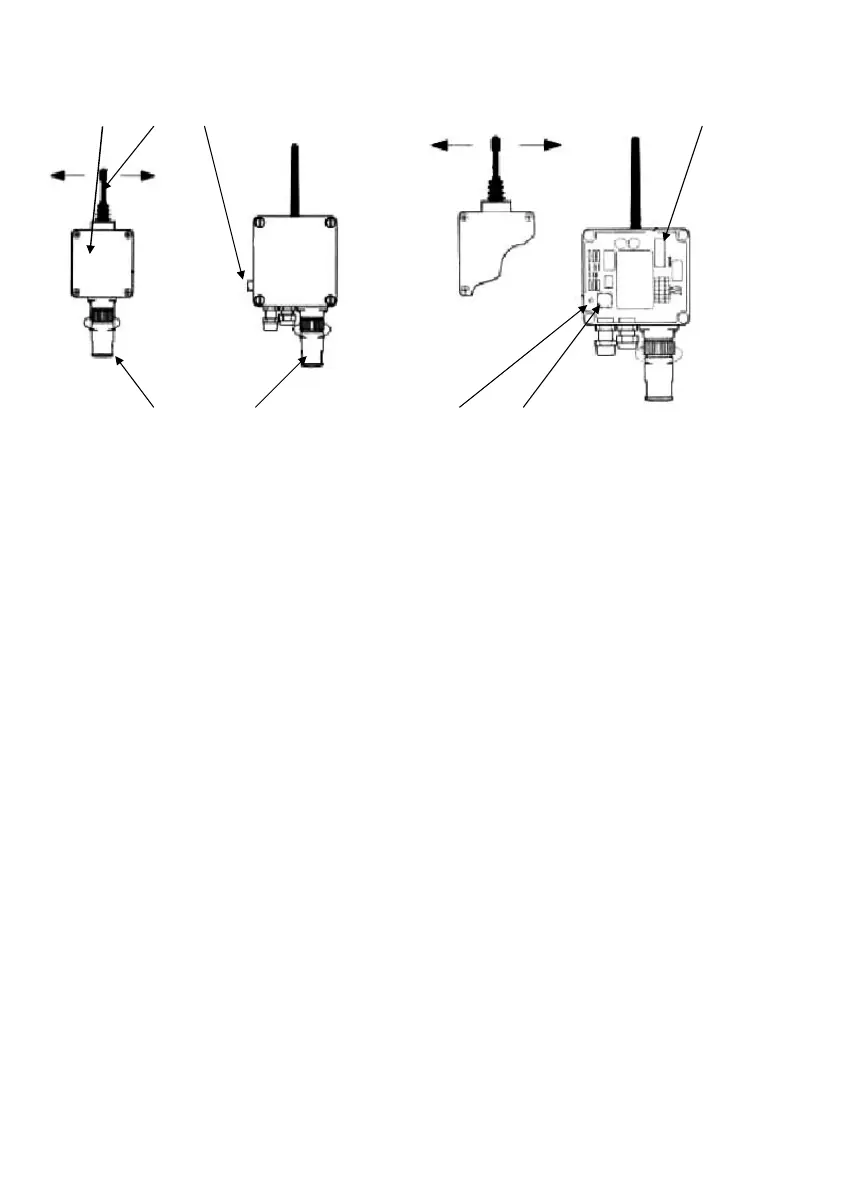
1 2 7 3
4 4a 5 6
Transmitter Receiver Transmitter Receiver
On the left of the receiver case (3) there is a light diode (7) which lights up when the receiver (3) receives
signals from the transmitter (1). The light diode (7) thus serves to check reception.
Codification
At the initial start up the emission code is saved by the factory. When changing the manual transmitter or
receiver, first it is necessary to delete all the codes saved, by proceeding as follows:
• Delete all the codes saved; press the white key (6) inside the receiver case (3). The deletion process is
complete when the diode lights up for 3 seconds (5).
• Save new codes: Briefly press (1/2 second the white key (6). The red light diode (5) only lights up for 4
seconds. During this time activate the transmitter (1) lever (2). When the transmitter code has been saved
the light diode (5) goes off.
Construction of an EMERGENCY cable:
It is possible to construct a cable to make a direct connection from the transmitter to the power outlet in the
event that the receiver is not working correctly due to interference or some other reason
The cable to use should have the following characteristics: 3x1 mm2, and it should be constructed by
connecting the brown cable to PIN1 of the connector, the blue cable to PIN2, and the earth cable to PIN 3, ensuring
that the numbers at both ends of the cable coincide.
The UTIFORM reference for this remote control cable is 48112.
7.10 End of work
Cleaning the machine
• Cleaning is extremely important.
• Clean connections, fuel and preservatives daily.
• Do not use harsh detergents to clean or diesel fuels, and only use cleaning rags which do not produce
flock.
• Do not use inflammatory solvents or any other hazardous solvents. In particular do not use carbon
tetrachloride.
• The use of caustic solvents can attack the materials of the air system for example, the polycarbonate
covers.


 To Next Page