To Table of Content
DRUM 1/DRUM 2
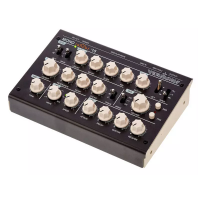
Figure 4: DRUM 1 instrument channel - DRUM 1 and DRUM 2 are identical
The two DRUM instrument channels are functionally identical. They are meant to create tom-
toms, percussion, and metallic-sounding noises but they can also produce bass drums which have a
slightly different character than those created by KICK. Thanks to two available channels, you may
either create two completely different sounds or create tuned pairs of sound such as low and hi toms
or congas.
DECAY sets the release time or the time it takes for the sound to decay fully. Its range is a
little wider compared to KICK, allowing you to create very short clicks.
PITCH sets the pitch/frequency per instrument channel. Drum 1 and 2 sport different fre-
quency ranges, with Drum 2 covering a higher pitch range
BEND adjusts the amount of possible pitch modulation by the DECAY envelope. In its
central position, no modulation occurs. Move away clockwise from the center posi-
tion to modulate the pitch downwards. Turning the control counterclockwise from
the center position will invert modulation, resulting in ascending pitch. This modu-
lation interacts with the DECAY setting.
ATTACK adds a short xed-level transient spike to the attack of a sound to make it extra pun-
chy. Always adjust ATTACK in correlation with the complete mix.
FM INT denes the intensity of the frequency modulation (FM). With FM being active, the
frequency of the DRUM instrument channel, set using PITCH control, is modulated
by a sine-wave oscillator. Set the FM INT control fully counterclockwise to turn off
FM.
FM FREQ sets the frequency of the modulation oscillator. At higher values, frequency modula-
tion will enter audio range, producing a wide frequency spectrum. This allows crea-
ting atonal and metallic-sounding timbres. At lower values, FM will result in modu-
lation comparable with a more typical LFO. The modulation is synced to the trigger
signal, making the modulation curve start at its maximum all the time, generating
a positive pitch-bending effect. Because of their different pitch ranges, modulating
Drum 1 and Drum 2 can yield different tones.
User Manual DRM1 MKIV
EN
13


 To Next Page