Operating Conditions & Other Safety
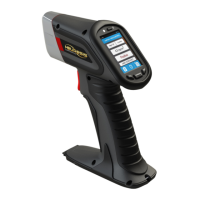
Please follow these operating conditions when using the Heuresis Pb200i:
• Your organization’s radiation safety officer (RSO) should set up and assign the passwords for
users who are permitted to take measurements. Safety options for users can be mandated and
assigned by the RSO.
To take a reading with the Pb200i, the instrument must be held against a surface. [The shutter will not
open unless the proximity switch is activated. The shutter will close as soon as the Heuresis Pb200i is no
longer pressed against a surface. The shutter will close at the end of each reading.]
- The shutter should be open only during a measurement.
- The shutter should be open only when the instrument is in use, taking a measurement.
• Never point the Pb200i at yourself or anyone else when the shutter is open. Remember, the
radiation can penetrate doors, walls, etc. No one should stand within 1m (approximately 36”) of
the wall opposite the measurement location.
• The Heuresis Pb200i clearly indicates any time the shutter is open with red warning lights at the
top and sides of the instrument. Always observe the status of the warning lights.
• Always transport the device in accordance with the regulations of the jurisdiction in which you are
located. Always transport the device in the hard plastic case supplied with the instrument. This
case can be transported in a cardboard and foam over pack for additional protection. Be sure to
use all transportation labels required by the regulatory jurisdiction(s) where you are travelling.
For more information consult the Heuresis DOT training presentation.
• Only those trained and authorized to use the Pb200i should operate the device. The Heuresis
Pb200i must be under the control of an authorized user and stored in an authorized and secure
location at all times.
• When removing the instrument from its storage location, it is critical to maintain a log of dates and
times removed and returned, location of use, and the name of the authorized user in possession
of the instrument. Include a comments section for noting any issues related to the instrument or
its use.
• The holster for the instrument contains shielding for emergency situations. If you suspect a
problem with the instrument, such as the shutter staying open, place the instrument firmly in its
holster. This ensures safe handling and protection against inadvertent exposure to radiation.


 To Next Page