EasyManua.ls Logo

Weber SUMMIT GC38 E - User Manual

Weber SUMMIT GC38 E
12 pages
Print Icon
To Next Page IconTo Next Page
Loading...
GC38 E • GC38 S
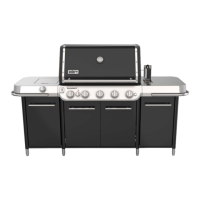
GRILL CENTER
8653523_030824 enUS
Keep this Owners Manual for future reference, thoroughly read
through it, and if you have any questions please contact us today.
REGISTER TODAY
Register your gas grill and receive special content to make
you the ultimate backyard hero.
Scan the QR Code or register online at weber.registria.com
Serial Number
Write your grill's serial number in the box above for future reference.
The serial number is on the grill's data label.
FEATURES OF THIS GRILL
To access complete
user information, scan
the QR Code and enter
your serial number,
or browse online at
weber.com/literature-online.
NG Owner’s Manual

Other manuals for Weber SUMMIT GC38 E

Question and Answer IconNeed help?

Do you have a question about the Weber SUMMIT GC38 E and is the answer not in the manual?

Summary

Safety Information

Installation and Assembly

Covers critical safety warnings and guidelines for installing and assembling the grill, emphasizing proper construction and gas type usage.

Operation Safety

Details essential safety precautions for operating the grill, including placement, clearance, ventilation, and handling of flammable materials.

Limited Warranty

Owners Responsibilities

Outlines owner's duties for warranty coverage, including registration, proper use, and maintenance as per the owner's manual.

Warranty Handling and Exclusions

Explains how to claim warranty service, what is covered, and common exclusions like misuse, neglect, or environmental damage.

Product Warranty Periods

Lists the specific warranty duration for different grill components, such as cookbox, lid, burners, and electronics.

Disclaimers

States limitations on warranties, liabilities, and remedies, emphasizing that the warranty is exclusive and does not cover misuse.

Getting Started

Natural Gas & Gas Connections

Provides essential information on natural gas properties and safe connection procedures, including hose requirements and pressure testing.

General Specifications

Details the grill's operating pressure and guidelines for installing quick-disconnect fittings to ensure proper function.

Hose Requirements

Specifies the need for a model-specific hose and how to obtain replacements if worn or damaged.

Pressure Testing the Gas Supply

Instructs on safely testing the gas supply system at various pressures, requiring disconnection of the grill.

Hose Connection

Step-by-step guide on how to safely connect the grill's hose to the gas supply via a quick-disconnect fitting.

Typical NG Grill Pipe Installation

Illustrates a standard natural gas grill pipe installation, noting local code requirements and disallowed fittings.

Getting Started

Leak Checking Procedure

Details the process of performing a leak check using soap and water solution to ensure gas tightness after connection.

Checking for Gas Leaks

Step-by-step instructions for identifying gas leaks at various fittings using a soap and water solution.

Disconnecting the Hose

Explains the safe method for disconnecting the gas hose, which automatically shuts off the gas supply.

Inspecting the Hose

Provides guidance on regularly inspecting the gas hose for damage like cracking or abrasions, and the importance of replacement.

Operation

Igniting the Main Burners

Guides on using the one-handed ignition system to light individual main burners for preheating and grilling.

Preheat the Grill

Details the importance of preheating the grill for 15 minutes on high for optimal cooking performance.

Extinguishing Main Burners

Instructions on how to safely turn off the main burners by pushing in the control knobs and turning them clockwise.

Using the Top-Down Infrared Broiler

Explains the operation of the infrared broiler for searing, including adjusting cooking surfaces and heat settings.

Extinguishing Infrared Broiler

Provides instructions on how to safely turn off the infrared broiler by pushing in and turning the control knob clockwise.

Operation

Operating the Rotisserie

Comprehensive guide on preparing the grill, setting up the rotisserie, cooking tips, and use/care instructions.

Operation

Igniting the Side Burner

Step-by-step instructions for igniting the side burner using the one-handed ignition system, including troubleshooting.

Extinguishing Side Burner

Instructions on how to safely turn off the side burner by pushing in the control knob and turning it clockwise.

Cleaning and Maintenance

Cleaning the Inside of the Grill

Guidance on cleaning the interior grill components like the lid, cooking grates, flavorizer bars, and burners for optimal performance.

Cleaning the Cooking Grates

Instructions for cleaning cooking grates to prevent food sticking and maintain grill performance.

Cleaning the FLAVORIZER BARS

Steps for scraping and cleaning FLAVORIZER BARS to manage drippings and prevent flare-ups.

Cleaning the Burners

Instructions for cleaning burner ports and spider screens to ensure proper gas flow and safe operation.

Cleaning the Spider Screens

Details on cleaning spider screens to prevent obstructions caused by insects, which can affect flame and gas flow.

Cleaning the Heat Deflectors

Guidance on cleaning heat deflectors to ensure even heat distribution and enhance cooking performance.

Cleaning the Cookbox

Instructions for cleaning grease accumulation and debris from the cookbox to prevent fires.

Cleaning and Maintenance

Cleaning the Grease Management System

Instructions for cleaning the grease tray and catch pan, crucial components for managing grease during grilling.

Cleaning the Outside of the Grill

Methods for cleaning various exterior surfaces (stainless steel, porcelain-enameled, plastic) and handling unique environments.

Cleaning the Inside of the Cabinet

Guidance on cleaning the interior cabinet, emphasizing care around electronic components.

Replacing Batteries for the Battery Pack

Instructions for replacing the D-cell batteries in the battery pack, including precautions and storage advice.

Product Care

Adjust Door Alignment

Explains how to adjust cabinet doors using hinge screws for proper alignment and closing.

Door Removal and Reattachment

Provides instructions for safely removing and reattaching grill doors using the hinge release lever.

Troubleshooting

Ignition Problems

Addresses issues where burners fail to ignite, guiding users to check gas flow and electronic ignition systems.

Lighting Your Grill with a Match

Provides a method to light the grill with a match to diagnose gas flow issues and test the ignition system.

Gas Flow Check for Side Burner;Infrared Broiler

Instructions for using a match to test gas flow to the side burner or infrared broiler, aiding in troubleshooting ignition failures.

Troubleshooting

Gas Flow Issues

Identifies symptoms of poor gas flow like uneven heating or failure to ignite, and their causes (kinked hose, dirty ports).

Proper Burner Flame Pattern

Describes the correct flame pattern for burners and how to identify issues like yellow or lazy flames.

Spider Screen Obstructions

Explains how spider screens can get obstructed, causing gas flow issues, yellow flames, and potential hazards.

Grilling at Night

Using the NIGHTVISION Lighting

Details how to activate and use the grill's integrated lighting system for nighttime grilling.

Using the Lighted Control Knobs

Instructions on how to turn on and off the illuminated control knobs for better visibility during use.

Replacing NIGHTVISION Lighting Batteries

Guidance on how to replace the C-cell batteries for the NIGHTVISION lighting system.

Summary

Safety Information

Installation and Assembly

Covers critical safety warnings and guidelines for installing and assembling the grill, emphasizing proper construction and gas type usage.

Operation Safety

Details essential safety precautions for operating the grill, including placement, clearance, ventilation, and handling of flammable materials.

Limited Warranty

Owners Responsibilities

Outlines owner's duties for warranty coverage, including registration, proper use, and maintenance as per the owner's manual.

Warranty Handling and Exclusions

Explains how to claim warranty service, what is covered, and common exclusions like misuse, neglect, or environmental damage.

Product Warranty Periods

Lists the specific warranty duration for different grill components, such as cookbox, lid, burners, and electronics.

Disclaimers

States limitations on warranties, liabilities, and remedies, emphasizing that the warranty is exclusive and does not cover misuse.

Getting Started

Natural Gas & Gas Connections

Provides essential information on natural gas properties and safe connection procedures, including hose requirements and pressure testing.

General Specifications

Details the grill's operating pressure and guidelines for installing quick-disconnect fittings to ensure proper function.

Hose Requirements

Specifies the need for a model-specific hose and how to obtain replacements if worn or damaged.

Pressure Testing the Gas Supply

Instructs on safely testing the gas supply system at various pressures, requiring disconnection of the grill.

Hose Connection

Step-by-step guide on how to safely connect the grill's hose to the gas supply via a quick-disconnect fitting.

Typical NG Grill Pipe Installation

Illustrates a standard natural gas grill pipe installation, noting local code requirements and disallowed fittings.

Getting Started

Leak Checking Procedure

Details the process of performing a leak check using soap and water solution to ensure gas tightness after connection.

Checking for Gas Leaks

Step-by-step instructions for identifying gas leaks at various fittings using a soap and water solution.

Disconnecting the Hose

Explains the safe method for disconnecting the gas hose, which automatically shuts off the gas supply.

Inspecting the Hose

Provides guidance on regularly inspecting the gas hose for damage like cracking or abrasions, and the importance of replacement.

Operation

Igniting the Main Burners

Guides on using the one-handed ignition system to light individual main burners for preheating and grilling.

Preheat the Grill

Details the importance of preheating the grill for 15 minutes on high for optimal cooking performance.

Extinguishing Main Burners

Instructions on how to safely turn off the main burners by pushing in the control knobs and turning them clockwise.

Using the Top-Down Infrared Broiler

Explains the operation of the infrared broiler for searing, including adjusting cooking surfaces and heat settings.

Extinguishing Infrared Broiler

Provides instructions on how to safely turn off the infrared broiler by pushing in and turning the control knob clockwise.

Operation

Operating the Rotisserie

Comprehensive guide on preparing the grill, setting up the rotisserie, cooking tips, and use/care instructions.

Operation

Igniting the Side Burner

Step-by-step instructions for igniting the side burner using the one-handed ignition system, including troubleshooting.

Extinguishing Side Burner

Instructions on how to safely turn off the side burner by pushing in the control knob and turning it clockwise.

Cleaning and Maintenance

Cleaning the Inside of the Grill

Guidance on cleaning the interior grill components like the lid, cooking grates, flavorizer bars, and burners for optimal performance.

Cleaning the Cooking Grates

Instructions for cleaning cooking grates to prevent food sticking and maintain grill performance.

Cleaning the FLAVORIZER BARS

Steps for scraping and cleaning FLAVORIZER BARS to manage drippings and prevent flare-ups.

Cleaning the Burners

Instructions for cleaning burner ports and spider screens to ensure proper gas flow and safe operation.

Cleaning the Spider Screens

Details on cleaning spider screens to prevent obstructions caused by insects, which can affect flame and gas flow.

Cleaning the Heat Deflectors

Guidance on cleaning heat deflectors to ensure even heat distribution and enhance cooking performance.

Cleaning the Cookbox

Instructions for cleaning grease accumulation and debris from the cookbox to prevent fires.

Cleaning and Maintenance

Cleaning the Grease Management System

Instructions for cleaning the grease tray and catch pan, crucial components for managing grease during grilling.

Cleaning the Outside of the Grill

Methods for cleaning various exterior surfaces (stainless steel, porcelain-enameled, plastic) and handling unique environments.

Cleaning the Inside of the Cabinet

Guidance on cleaning the interior cabinet, emphasizing care around electronic components.

Replacing Batteries for the Battery Pack

Instructions for replacing the D-cell batteries in the battery pack, including precautions and storage advice.

Product Care

Adjust Door Alignment

Explains how to adjust cabinet doors using hinge screws for proper alignment and closing.

Door Removal and Reattachment

Provides instructions for safely removing and reattaching grill doors using the hinge release lever.

Troubleshooting

Ignition Problems

Addresses issues where burners fail to ignite, guiding users to check gas flow and electronic ignition systems.

Lighting Your Grill with a Match

Provides a method to light the grill with a match to diagnose gas flow issues and test the ignition system.

Gas Flow Check for Side Burner;Infrared Broiler

Instructions for using a match to test gas flow to the side burner or infrared broiler, aiding in troubleshooting ignition failures.

Troubleshooting

Gas Flow Issues

Identifies symptoms of poor gas flow like uneven heating or failure to ignite, and their causes (kinked hose, dirty ports).

Proper Burner Flame Pattern

Describes the correct flame pattern for burners and how to identify issues like yellow or lazy flames.

Spider Screen Obstructions

Explains how spider screens can get obstructed, causing gas flow issues, yellow flames, and potential hazards.

Grilling at Night

Using the NIGHTVISION Lighting

Details how to activate and use the grill's integrated lighting system for nighttime grilling.

Using the Lighted Control Knobs

Instructions on how to turn on and off the illuminated control knobs for better visibility during use.

Replacing NIGHTVISION Lighting Batteries

Guidance on how to replace the C-cell batteries for the NIGHTVISION lighting system.

Overview

This document describes the Weber Summit Grill Center, a natural gas grill designed for outdoor use. It emphasizes safe operation, proper assembly, and routine maintenance to ensure optimal performance and longevity.

Function Description:

The Weber Summit Grill Center is a natural gas grill designed for outdoor cooking. It features multiple main burners, a side burner, and an infrared broiler, allowing for a variety of cooking methods from direct grilling to rotisserie cooking. The grill is equipped with an electronic ignition system for easy startup and lighted control knobs for nighttime use. A key feature is its grease management system, which includes an angled slide-out grease tray and a catch pan, designed for easy removal and cleaning to prevent grease fires. The grill is intended for use with natural gas only and is not designed for conversion to liquid propane. It is built to operate at a specific water column pressure, ensuring efficient gas flow and consistent heat. The grill's design prioritizes safety, with warnings against indoor use, use in vehicles, and proximity to combustible materials.

Usage Features:

The grill offers a user-friendly experience with several features to enhance cooking and convenience. The main burners are ignited using a one-handed electronic ignition system, where users push in and turn the control knobs. For the side burner, the lid must be open before ignition. The infrared broiler also uses an electronic ignition, requiring the knob to be held in for a period to ensure a continuous gas flow and full ignition of the ceramic surface.

For nighttime grilling, the grill includes NIGHTVISION lighting, which activates when the lid is opened and deactivates when closed, or after 30 minutes of inactivity. The control knobs are also lighted, activated by a power button on the control panel.

Rotisserie cooking is a prominent feature, requiring the removal of the warming rack and cooking grates. A fresh foil pan is recommended under the food to catch drippings. The rotisserie motor is integrated into a retractable panel, and the spit forks are adjustable to secure food. Proper food centering and uniform shape are crucial for effective rotation. After use, the rotisserie motor, spit, and forks can be stored within the grill cabinet, with the power cord neatly tucked away.

The grill is designed for outdoor use in well-ventilated areas, with specific guidelines for partial enclosures to ensure adequate airflow. It is crucial to keep the cooking area clear of flammable vapors, liquids, and combustible materials.

Maintenance Features:

Routine maintenance is essential for the grill's safety and performance. A thorough leak check is recommended after assembly and annually, using a soap and water solution to detect gas leaks at various fittings. If leaks are found, the gas supply must be turned off, and the grill should not be operated until the issue is resolved. The gas supply hose should also be inspected regularly for cracks, abrasions, or cuts, and replaced if damaged.

Cleaning the grill is divided into several components:

  • Inside of the Grill: A thorough cleaning is recommended at least twice a year, or quarterly with consistent use. This involves cleaning from the top down when the grill is off and cool.
  • Lid and Upper Cooking Surfaces: Carbonized grease and smoke deposits on the inside of the lid, which can flake off and resemble paint, should be brushed off with a stainless steel bristle grill brush. Wiping the lid with a paper towel after grilling while still warm can minimize build-up.
  • Cooking Grates: Regular brushing with a stainless steel bristle grill brush prevents food from sticking.
  • FLAVORIZER BARS: These bars, designed to vaporize drippings and add flavor, should be scraped with a plastic scraper and brushed with a stainless steel bristle grill brush. Gloves are recommended due to potential rough surfaces.
  • Burners: The burner ports (small raised openings) should be cleaned with a stainless steel bristle grill brush, taking care not to damage the ignition electrode. The spider/insect screens on the ends of the burners, which prevent obstructions, should be cleaned with a soft bristle brush.
  • Heat Deflectors: Located under the burners, these should be scraped with a plastic scraper and brushed with a stainless steel bristle grill brush to maintain even heat distribution.
  • Cookbox: Any grease accumulation or leftover food particles should be scraped into the slide-out grease tray using a plastic scraper.
  • Grease Management System: The slide-out grease tray and catch pan should be regularly removed and cleaned to prevent grease build-up and fires.
  • Outside of the Grill: Stainless steel surfaces should be cleaned with a non-toxic, non-abrasive cleaner and a microfiber cloth, following the grain of the metal. Painted, porcelain-enameled, and plastic components can be cleaned with warm soapy water. For grills in harsh environments (e.g., coastal areas), more frequent cleaning and weekly application of a stainless steel cleaner are recommended.
  • Inside of the Cabinet: The interior can be wiped with a soft, damp cloth, being careful around electronic components.
  • Batteries: The NIGHTVISION lighting and lighted control knobs require D-size and C-size alkaline batteries, respectively. These should be replaced as needed, and removed if the grill is not used for a month or more.

The manual also provides troubleshooting steps for ignition issues and gas flow problems, including instructions for match lighting if the electronic ignition fails. It emphasizes contacting customer service for any repairs to gas-carrying, gas-burning, or ignition components.

Weber SUMMIT GC38 E Specifications

General IconGeneral
Fuel TypeLiquid Propane
Grates MaterialStainless Steel
Lid and Bowl MaterialStainless Steel
TypeGas
Side Burner BTU12, 000 BTU
Warranty10 years

Related product manuals