EN-26
BPM Core
v1.0 | July 2019
Digital stethoscope
Frequently asked questions about digital stethoscope
How does the digital stethoscope work?
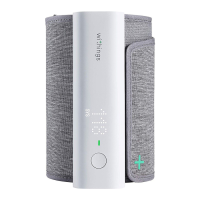
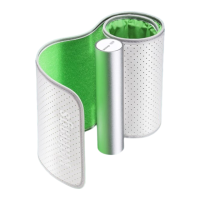
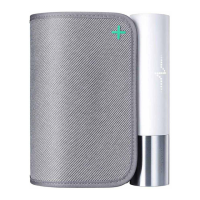
A digital stethoscope has been placed on the outer part of the cu so that it
will be in contact with the side of the chest when BPM Core is placed on the left
upper arm. The device will listen to heart sounds for 20 seconds and detect if
there is a risk of valvular heart disease.
It is a medically-approved recording?
This recording is a big innovation and has received CE clearance for medical
devices. BPM Core is currently under review to be FDA cleared.
What can I learn from this recording and how can I act on it?
BPM Core tells users if there is a risk that they could have valvular heart disease,
and encourage them to visit their cardiologist. The earliest the disease is
diagnosed, the better the cardiologist can follow the evolution and eventually
plan a surgery when needed.
Frequently asked questions about valvular heart disease
(VHD)
What is valvular heart disease?
Valvular heart disease is characterized by damage to or a defect in one of the
heart valves. Normally functioning valves ensure that blood flows with proper
force in the proper direction at the proper time. In valvular heart disease, the
valves become too narrow and hardened (stenosis) to open fully, or are unable to
close completely (insuciency).
What are the symptoms of valvular heart disease?
Patients can have no symptoms but have valve disease. When symptoms occur,
they are similar to those associated with heart failures, such as shortness of
breath, swelling of the feet, chest pain, or palpitations.
Is anyone concerned about valvular heart disease?
Valvular heart diseases are frequent conditions as populations are getting older. It
has an average prevalence of 2.5% but rises sharply with age, going from 0.3% for
people aged from 18 to 44 years and going to 10% for people over 65.


 To Next Page