19
PanelMax installation instructions
21. After Installation Care
When batteries reach the end of their usual life in accordance with Australian Battery Recycling Initiative please
follow the next simple steps for protecting the environment. Refer to the Automatic Technology website for information
on where to recycle batteries in Australia.
DO NOT throw the batteries in municipal waste. This symbol of the crossed out wheeled bin
indicates that the battery should not be placed in the municipal waste. Check your local
regulations for appropriate disposal of the batteries.
Recycling all batteries will have other environmental and social benets:
WARNING! Prior to disposal, recycling, or collection, all battery terminals must be securely
insulated with a non conductive material to prevent any two batteries from short circuiting and
generating heat during storage or transport. Battery terminals may be insulated with electrical
tape; or batteries may be individually packaged in a non conductive material
(e.g., plastic bag or original packaging).
21.3 Battery Disposal
Battery Type:
3V Lithium Battery CR2032.
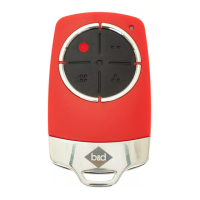
• To test the battery is working, press and
hold a transmitter button. Check Light
Status table to determine if battery
needs replacing
Light Status Battery Status
Solid OK
Flashing Requires replacement
No light Requires replacement
21.2 Battery Replacement
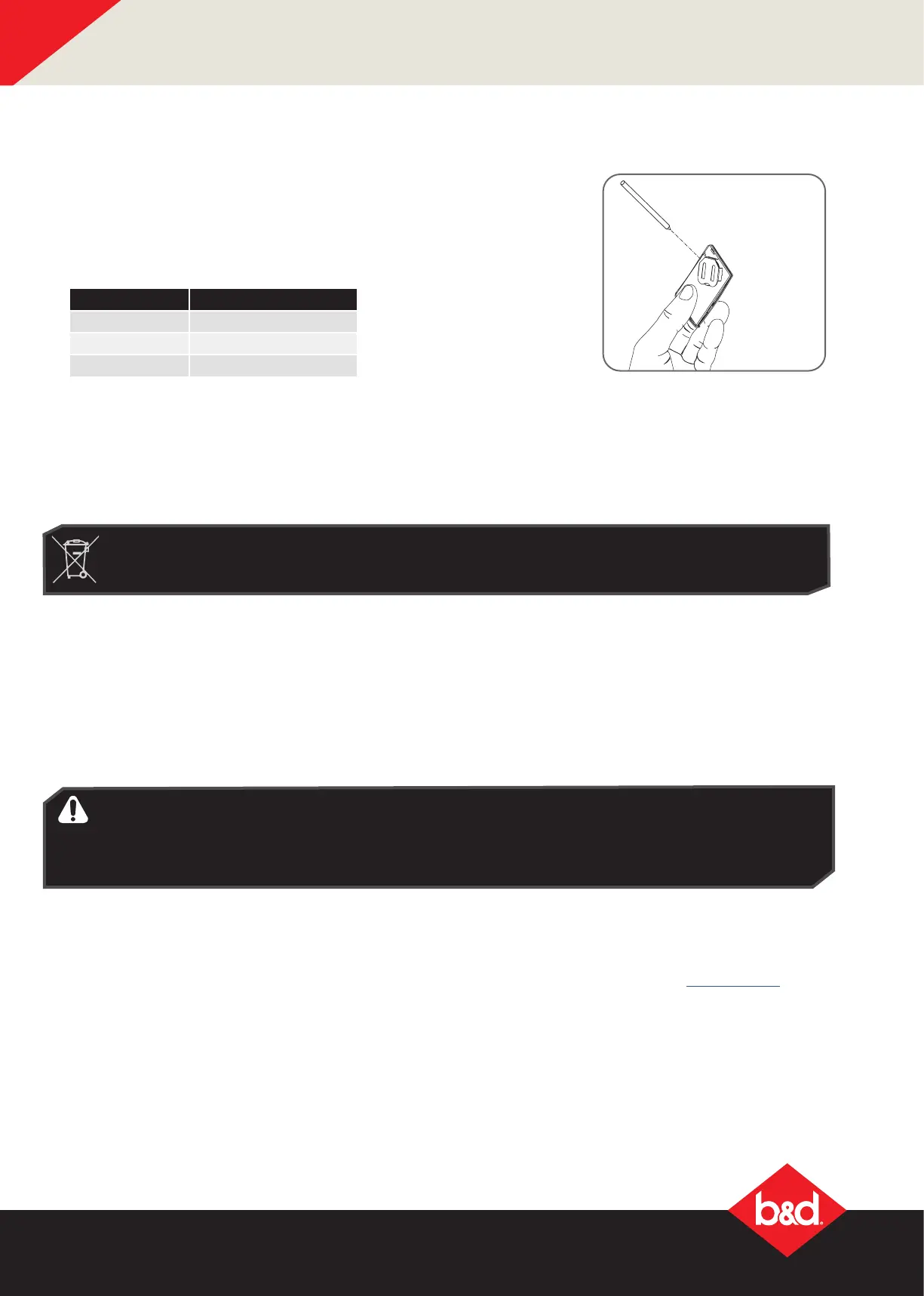
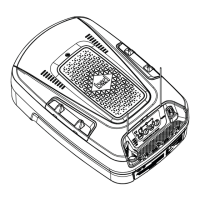
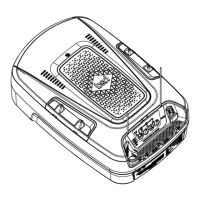
Use a pen
to push the
battery down
through the
side opening
to release
battery
• Use nger nails to
separate the transmitter
casing to expose circuit
board.
• Use a non-metallic object
(e.g. pen) to remove the
battery.
• Some batteries are less toxic but hazardous for other
reasons. Lithium batteries can explode or catch re in landll,
while button cells are dangerous if swallowed by children.
Recycling offers a safe and environmentally responsible
solution for end of life batteries.
• Battery recycling recovers non-renewable materials such
as lead, cadmium, stella, zinc, manganese, cobalt, silver,
plastics and rare earth elements.
• Removal of batteries and other hazardous household
products from household waste facilitates the recovery of
organic materials through alternative waste technologies
such as composting. Batteries and heavy metals are known
contaminants in compost.
• The community supports recycling because it reduces
waste to landll and achieves environmental benets.
Warranty conditional on proper servicing as listed in 21.1 Service Checklist. Full details of the warranty are available
in your Owners Opener Handbook, from your nearest B&D ofce or visit the B&D Website bnd.com.au.
21.4 Warranty




 To Next Page