fastHEX™ Analysis Method TD-550/560 Oil in Water Analyzer
18 TD-550/560 Oil in Water Analyzer
Operation Manual
PN 106737
REV H
solvent, hydrochloric acid, 2-propanol (also called isopropanol or isopropyl alcohol), and detergents
and liquids are not provided in the extraction kit. To purchase kits and supplies, contact a Benchmark
International service representative.
4.5 ANALYSIS USING LIGHTER THAN WATER EXTRACTION
SOLVENTS
This procedure is for use with lighter than water extraction solvents such as:
• Hexane
• Cyclohexane
• Heptane
• Octane
• Xylenes (cannot use with the DUV channel and might give high blank reading on NUV channel)
• Toluene (cannot use with the DUV channel and might give high blank reading on NUV channel)
For the calibration procedure, see Section 5 No-Solvent Analysis Method.
NOTE: Please use this procedure even if your solvent is not listed above and you are using lighter
than water extraction solvent.
NOTE: If you are using heavier than water extraction solvent then refer to Section 4.3 of this manual
for heavier than water extraction solvent analysis procedure.
NOTE: The following procedure describes a 10:1 water to oil extraction ratio. If a different extraction
ratio is used, the volumes of water sample and/or extraction solvent will be different.
To analyze a sample using a lighter than water extraction solvent
1. Collect 100 mL of contaminated water in a clean, graduated prescription bottle or suitable
graduated glass container.
2. Add 6 N hydrochloric acid until the pH of the water sample is < 2. Check the pH with pH paper.
NOTE: Depending on the method philosophy of the facility, the sample can be measured at normal
pH.
3. Add 10 mL of extraction solvent and securely cap the bottle.
4. Extract oil from the water by vigorously shaking the bottle for 2 minutes.
5. Allow the extraction solvent to separate from the water for approximately 1 minute. If the
extraction solvent is trapped in an emulsion; break the emulsion by agitating with a clean
pipette. Allow the extract to sit for several minutes after agitating the emulsion. This will allow
the solvent to separate from the water. The solvent extract will be oating on top of the water.
6. Carefully release the pressure from the bottle.
7. Fill the appropriate cuvette (8 mm round or 10 mm square) ¾ full with the solvent extract. Wipe
the outside of the cuvette with a clean laboratory grade tissue or cloth to remove any liquid, dirt
or oil that might be present.
8. Open the sample well lid, insert the cuvette into the cuvette adapter, and close the lid.
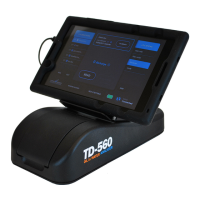
9. Turn on the analyzer tablet and tap Start on the Start screen.


 To Next Page