Floor Protection
Page 9 of 37
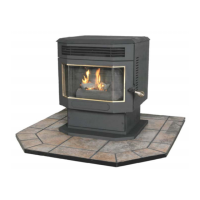
This appliance requires noncombustible floor
protection. If the stove is being placed on top
of a combustible floor surface (i.e. wood or
carpeted floor surface), use of a non-
combustible floor protector must be utilized,
extending the full width and depth of the
heater extending:
• A minimum of 6” in front of the
appliance
• A minimum of 6” to each side of the
appliance
• A minimum of 2” behind the tee used
at the exhaust exit at the rear of the
appliance (if one is utilized)
• A minimum of 0” from the back of the
stove if a tee is not being utilized at the
exhaust exit at the rear of the stove
Note: It is important your Buffalo Pellet Stove
to be level when installed. Leveling should
occur below the floor protection pad. Make
any necessary adjustments to the levelness
of the floor protection pad during installation
of the pad to ensure a level stove installation.
Minimum Clearances To Combustible
Materials
Minimum clearances to nearby combustible
materials must be maintained to avoid any
potential fire hazard. The following stove
clearances to combustibles must be
maintained at all times:
• A minimum of 1” from the back
• A minimum of 2” from the sides
• A minimum of 1” from the corners
• A minimum of 16” from the top
• A minimum of 18” from the front
• A minimum of 36” to drapes, doors,
drawers or anything that can open or
swing
• A minimum of 3” from PL vent
(including cleanout tees and elbows)
to combustibles
Although not required for safety reasons, it is
strongly suggested that sufficient space be
provided (a minimum of 24”) on each side of the
appliance and at the back of the appliance to
enable servicing the unit if necessary. If this space
is unavailable upon installation, a provision must
be made to enable sliding the appliance out for
service.
General Exhaust System Guidelines
There are many available options for installing
a pellet stove within a home
• Horizontal through wall
• Vertical inside home then through wall
• Horizontal through wall, vertical 5 to 8
feet outside home, 90 degree elbow to
horizontal, then cap
• Vertical inside home through attic and
roof
• Through wall, vertical up outside of
home, through eve and roof
• Through existing masonry chimney
• Through existing wood stove chimney
pipe
Pellet vent pipe will be required to carry
exhaust gasses from the stove to outside the
home. The manufacturer of pellet vent pipe
you select will have detailed installation
instructions for each available type of
installation that can be used to install your
pellet stove. The installation instructions from
the pellet vent pipe manufacturer you select
will identify the specific components required
for each available installation option and will
include detailed directions as to how to route
and connect the vent pipe together to ensure
that the exhaust system is air tight.
Below we have included some additional
guidelines to follow in addition to those that
are available from the pellet vent pipe
manufacturer you use to construct your pellet
stove exhaust system.
1. Pellet vent pipe must maintain a
minimum clearance of 3” to any
combustibles.


 To Next Page