4
Introduction
Purpose of the Manual
Programming Peripherals
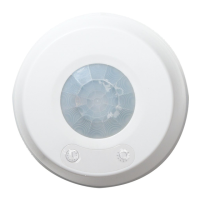
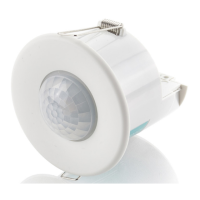
This manual is to explain the programming of the CP Electronics Standalone sensors of the ranges below:
• EBDSPIR and their variants
• EBDSPIR-B and their variants
• EBDMR and their variants
• EBDSM and their variants
• EBDRC and their variants
• EBDHS and their variants
• EBDHS-MB and their variants
• EBMHS and their variants
• EMBPIR-MB and their variants
• EBMINT and their variants
• EBMPIR and their variants
• MWS1A and their variants
• MWS3A and their variants
• MWS5 and their variants
• MWS6 and their variants
• MWSINT and their variants
Applicable sensors are not limited to the above list of examples as newer product ranges may have been added since the
production of this manual.
Note: Products of network connection nature are NOT covered in this manual and the appropriate manuals are referred to by
their install instruction guides. For example sensors in the Vitesse Plus range VITP7-EBDSPIR, VITP7-MWS3A are covered by
the Vitesse Plus System Manual.
For Rapid system sensors such as EBR-CPIR, EBR-EBDMR, kindly refer to the RAPID System install manual for their use and support.
The functionality of the sensors is controlled by a number of parameters which
can be changed or programmed by any of the following devices:
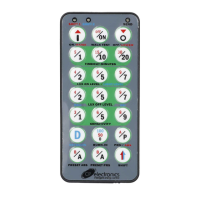
• UHS5 Infrared Handset. See UHS5 section.
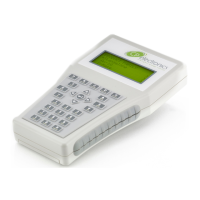
• UNLCDHS Infrared Handset (with LCD). See UNLCDHS section
For most basic programming operations, the small UHS5 handset will suce
whilst the UNLCDHS Universal LCD handset can be used for the programming of
the advance functions.
Point the handset at the Sensor and send the required programming commands
to the unit as shown.
Valid commands will be indicated by a red LED ash.


 To Next Page