Operation Section
1
–
2
2. OUTLINE OF SYSTEM
2.1 Common Rail System Characteristics
z The common rail system uses a type of accumulation chamber called a rail to store pressurized fuel, and injectors that contain elec-
tronically controlled solenoid valves to inject the pressurized fuel into the cylinders. Because the engine ECU controls the injection
system (injection pressure, injection rate, and injection timing), the injection system is independent, and thus unaffected by the engine
speed or load. This ensures a stable injection pressure at all times, particularly in the low engine speed range, and dramatically de-
creases the amount of black smoke ordinarily emitted by a diesel engine during start-up and acceleration. As a result, exhaust gas emis-
sions are cleaner and reduced, and higher power output is achieved.
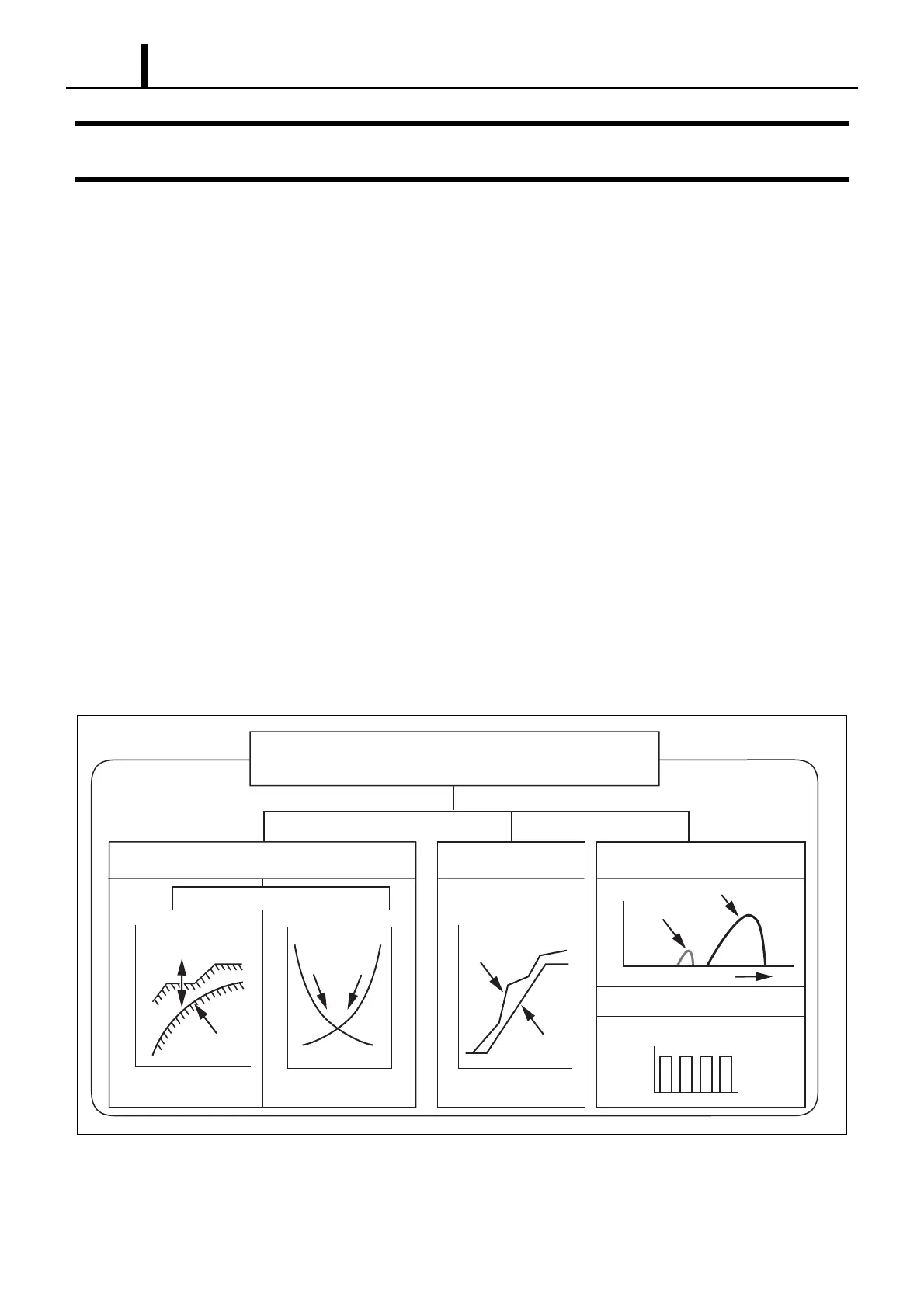
2.2 Features of Injection Control
(1) Injection Pressure Control
• Enables high-pressure injection even at low engine speeds.
• Optimizes control to minimize particulate matter and NOx emissions.
(2) Injection Timing Control
• Enables finely tuned optimized control in accordance with driving conditions.
(3) Injection Rate Control
• Pilot injection control injects a small amount of fuel before the main injection.
Q001223E
Common Rail System
Injection Pressure Control
Injection Timing Control
Injection Rate Control
Optimization, High Pressurization
Common Rail
System
Conventional
Pump
Conventional
Pump
Speed
Speed
Injection Pressure
Optimization
Common Rail
System
Particulate
NOx
Injection Timing
Speed
Injection Quantity Control
Cylinder Injection
Quantity Correction
Pre-Injection
Main Injection
Crankshaft Angle
Injection Rate
Injection Pressure
1
3 4
2



 To Next Page