2-2
EN
2.3.2
Environmental considerations
The sensor is designed to withstand harsh environmental conditions;
however, adhere to the following limits when storing and using the sensor:
VHF interference
VHF interference from devices such as cellular phones and radio
transmitters may interfere with GPS operation. For example, if installing the
sensor near marine radios consider the following:
• VHF radios can interfere with GPS signals.
• Follow VHF radio manufacturers’ recommendations on how to mount
their radios and what devices to keep a safe distance away.
Before installing the sensor use the following diagram to ensure there are
no nearby devices that may cause VHF interference.
Mounting guidelines
Dometic recognizes that every boat is unique and that there are potential
installation limitations for mounting the sensor. For the best performance of
the SeaStation system, Dometic recommends the following when
selecting a mounting location for the GPS sensor:
1. The sensor should be mounted:
a. 6” above metal surfaces (such as the roof of an aluminum hull vessel)
or large metal objects
b. 12” away from adjacent objects mounted to the same surface
c. 36” away from VHF antenna base
d. 36” away from a Optimus CANtrak display
2. The sensor must have a clear view of the sky down to 10° above the
horizon (refer to figure 2-1).
a. Thin objects like fishing rods or VHF antennas are an exception.
If the recommended mounting guideline of 36” between the CANtrak and
GPS Sensor cannot be met, contact Dometic technical support to evaluate
boat specific alternative mounting solutions.
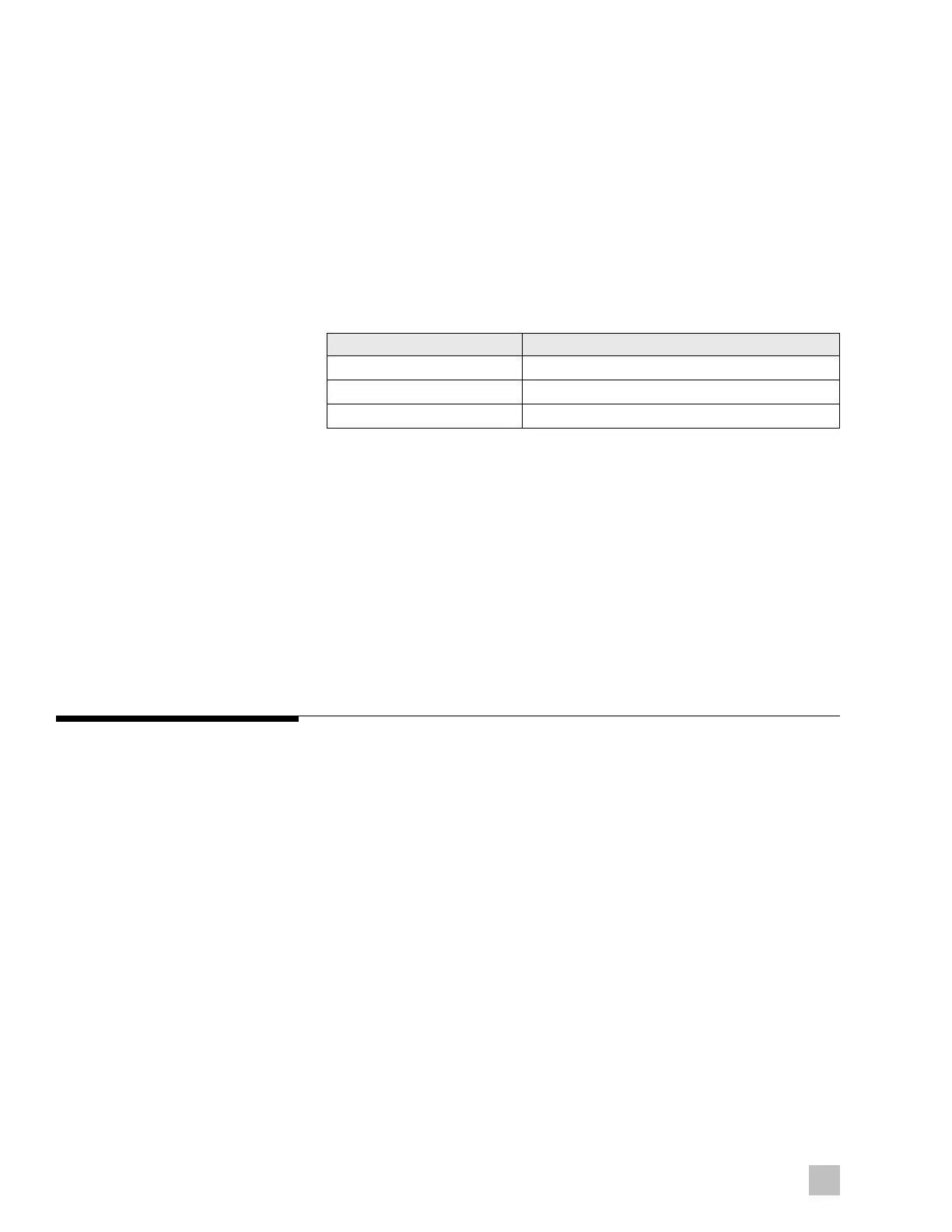
Table 2-1. Environmental conditions.
Item Specification
Operating Temperature -30°C to +70°C (-22°F to +158°F)
Storage Temperature -40°C to +85°C (-40°F to +185°F)
Humidity 100% non-condensing
• Locate any transmitting antennas away from the sensor by at least several
feet to ensure tracking performance is not compromised, giving you the
best performance possible.
• Make sure there is enough cable length to tie into the Optimus CAN2 or
CAN3 backbone of the vessel..
• Do not locate the antenna where environmental conditions exceed those
specified in the table 2-1 Environmental Conditions below.



 To Next Page