Appendix: Acoustics
Dynaudio Professional AIR reference manual – 2014-09-28 113
Comb ltering
The ltering function that arises when a signal is added
to itself after having been delayed in time is called a
comb lter.
The resulting frequency response resembles a comb,
hence the name.
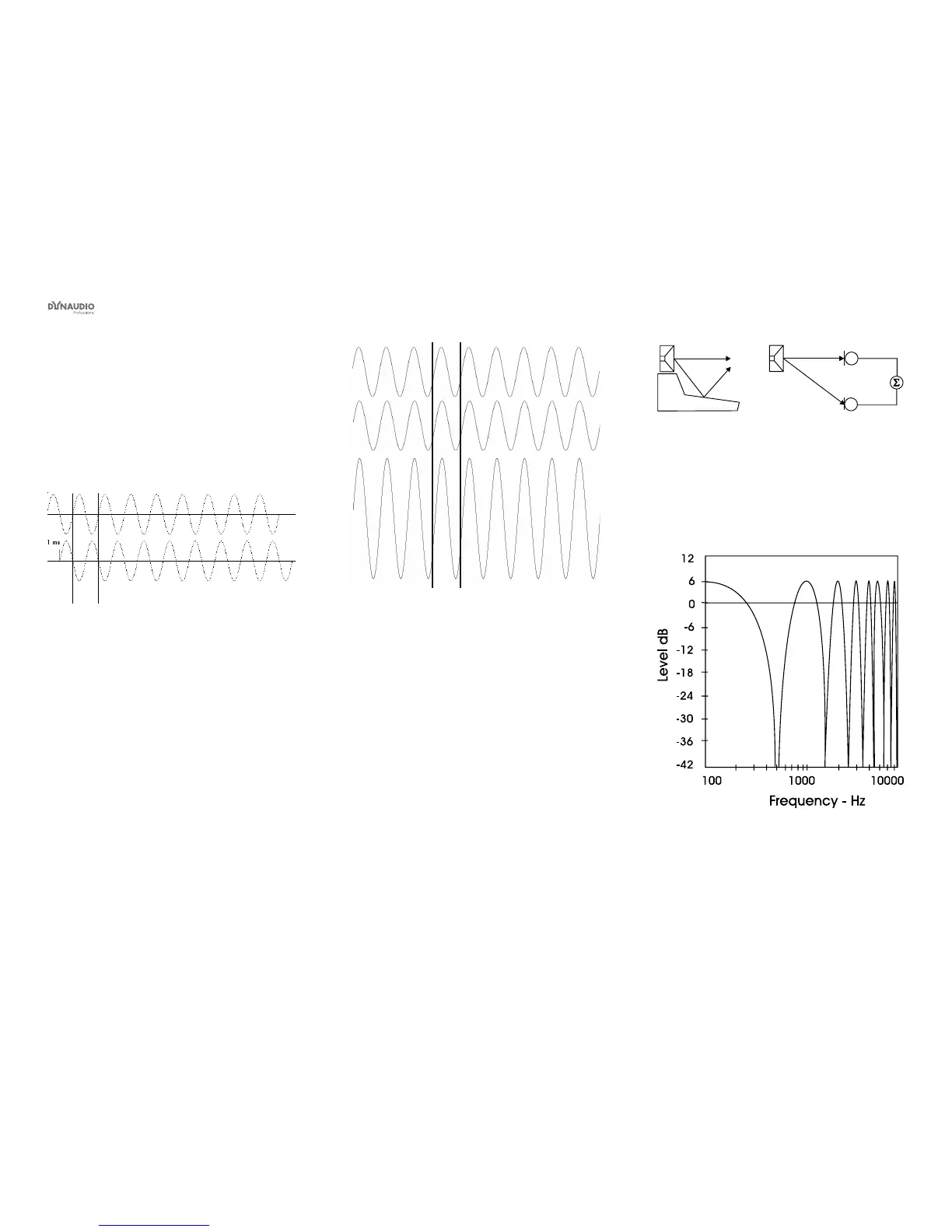
Fig. 74: Two 500 Hz sinusoidal tones added. The
second tone is delayed 1 millisecond, hence the sum
is zero.
Fig. 75: Two 1 kHz sinusoidal tones added. The
summed level is doubled (+6 dB).
The comb lter function is almost never intentional – but
it is heard all the time in audio productions, where it can
arise both for acoustical and electrical reasons.
Acoustically, comb lter effects typically occur when
part of the sound travels from source to recipient both
on a direct path and via a single reective surface.
This reection must be attenuated at least 10 dB and
preferably 15 dB in order for it not to have an effect on
the sound eld at the recipient’s position. Electrically,
the phenomenon arises when two microphones with a
certain distance between them capture the same sig-
nal and the level from each microphone is of the same
order of magnitude.
Fig. 76: Two typical situations in which comb ltering
occurs, either acoustically or electrically
Generally speaking, all digital signal processing takes
time. This means in practice that comb lter effects can
arise if you send a signal through a signal processor
and combine the processed (and hence delayed) signal
with the original.
Fig. 77: An example of a comb lter effect created by
combining two signals with the same amplitude and
a one millisecond delay between them. Dips occur
due to cancellation at 500 Hz, 1.5 kHz, 2.5 kHz etc.,
and the two signals’ levels double (+6 dB) at low
frequencies with a full wavelength’s delay at 1 kHz,
2 kHz, 3 kHz etc.



 To Next Page