Appendix: Acoustics
Dynaudio Professional AIR reference manual – 2014-09-28 107
Introduction
When we talk about making a room “sound right”, we
are usually dealing with room acoustics. As a science,
acoustics has been around for about a hundred years.
Until then, good acoustics happened by experiment, by
experience, or simply by accident. Today, we know a lot
more about the parameters that inuence the “sound”
of a room.
A control room should basically act as neutral as possi-
ble. But this is not always the case. Let’s take a look on
some of the issues that we need to be aware of.
Good acoustics
Here is a list of important parameters concerning good
acoustics.
►
Proper reverberation time
►
Good sound distribution
►
Adequate sound pressure level
►
Low background noise level
►
No (utter) echo
Now let us go through these issues one by one.
Reverberation time
The reverberation time is dened as the time un-
til a sound is attenuated by 60 dB after the source is
stopped.
In real life, we can experience reverb times from ap-
proximately 0 seconds (outdoors or in anechoic cham-
bers) to around 10 to 12 seconds. In special reverb
chambers, the time may exceed 20 seconds.
Control rooms should normally have a reverb time
around 0.2 to 0.3 seconds.
Why do we have reverberation?
The speed of the propagating sound wave is very slow
– at least compared to light, which travels at approxi-
mately 1130 feet or 340 meters per second.
If there are no reecting surfaces between the sound
source and our ears, only the direct sound is heard, and
there is no reverberation.
If there is a single reecting surface, we may hear the
reected sound in one way or another – but there is still
no reverberation.
If the sound is generated in a typical room, there are
many reections. Each of these reections travels dif-
ferent paths, with varying distances to the listener. Each
time the sound hits an (absorbing) surface, it will lose
some energy.
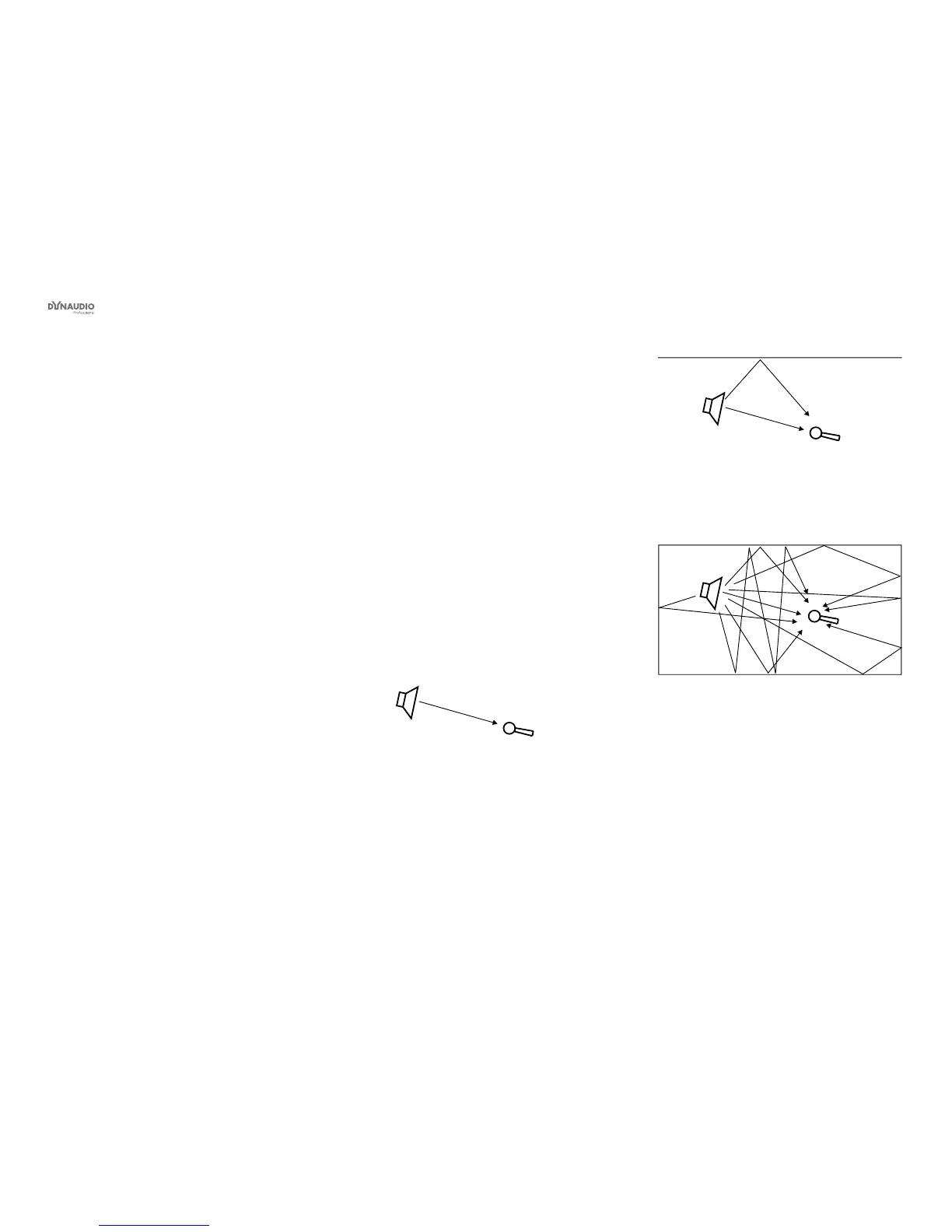
Fig. 57: One sound source, one receiver and no room.
Only the direct sound is received.
Fig. 58: One sound source, one receiver, and one
reecting surface. The sound is received twice. In the
control room, this is normally experienced as comb
ltering – see later.
Fig. 59: One sound source and one receiver in a
typical room. The sound impulse is reected on
many surfaces. The reections are perceived as
reverberation.



 To Next Page