13
Appendix
1� Rechargeable Lithium ion Battery
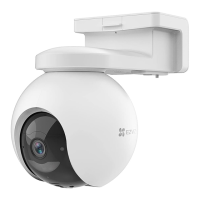
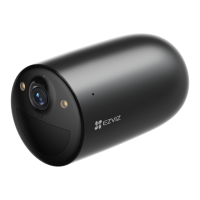
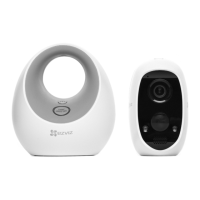
10. The battery type of the device: Portable battery.
11. The battery of this device is non-removable, which is risky to remove.
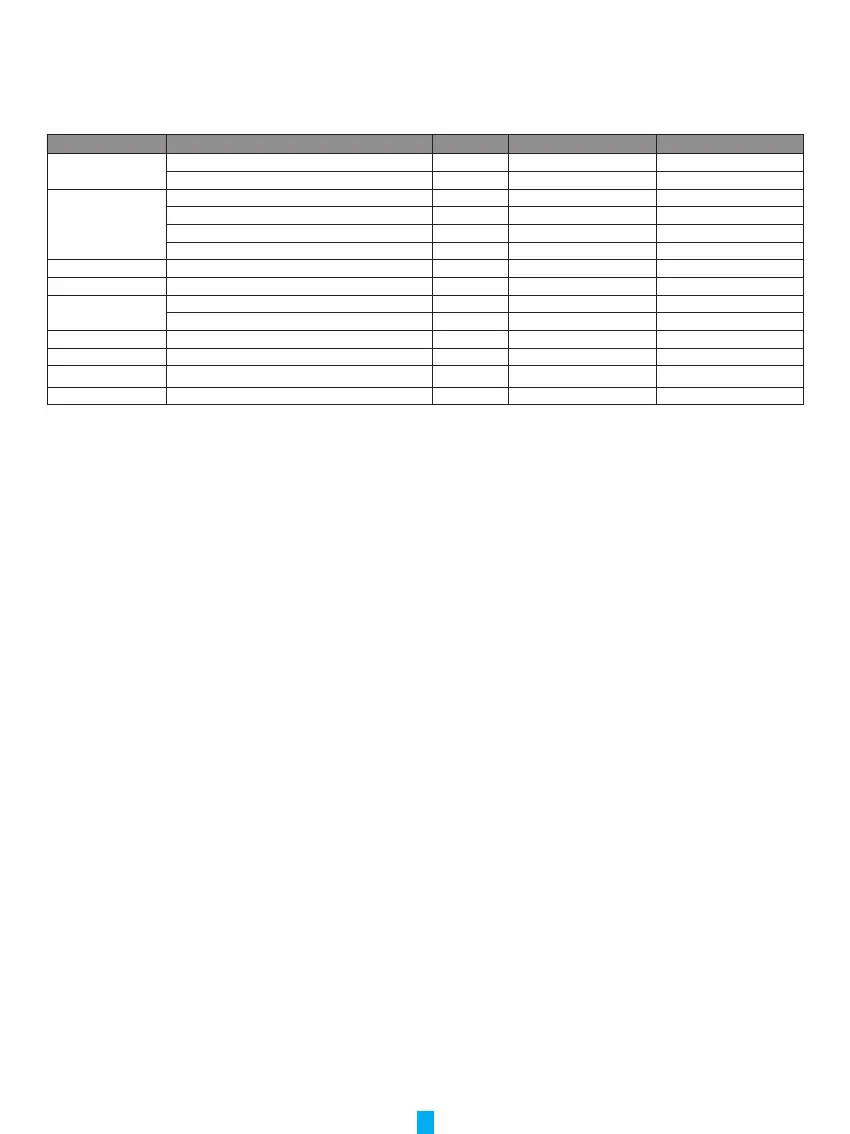
Component Parts Hazardous Ingredients ( Chemical Name) CAS No� Concentration Ranges Chemical Formula
Anode
Lithium Manganese Nickel and Cobalt Oxide 346417-97-8 36.3% LiNi
x
Co
y
Mn
1-x-y
O
2
Polyvinylidene Fluoride(PVDF) 24937-79-9 0.48% (C
2
H
2
F
2
)
n
Cathode
Graphite 7782-42-5 19.38% C
Styrene-Butadiene Rubber(SBR) 9003-55-8 0.27% C
12
H
14
sodium carboxymethyl cellulose 9004-32-4 0.22% C
6
H
7
O
2
(OH)
2
OCH
2
COONa]
n
Nickel 7440-02-0 0.33% Ni
AL-foil Aluminium 7429-90-5 2.68% Al
Cu-foil Copper 7440-50-8 6.66% Cu
Electrolyte
Lithium Hexafluorophosphate 21324-40-3 1.79% LiFP
6
Ethylene Carbonate(EC) 96-49-1 2.8% C
3
H
4
O
3
Separator Polyethlyene(PE) 9002-88-4 2% (C
2
H
4
)n
PET film Polyethylene terephthalate(PET) 25038-59-9 0.9% C
10
H
12
O
6
Cell case
Fe
7439-89-6 17% Fe
Others others / 9.19% /
2� INFORMATION FOR PRIVATE HOUSEHOLDS
1. Separate collection of waste equipment: Electrical and electronic equipment that has become
waste is referred to as waste equipment. Owners of waste equipment must dispose of it separately
from unsorted municipal waste. In particular, waste equipment does not belong in household waste,
but in special collection and return systems.
2. Batteries and rechargeable batteries as well as lamps: Owners of waste equipment shall, as
a rule, separate waste batteries and rechargeable batteries that are not enclosed in the waste
equipment, which can be removed from the waste equipment without being destroyed, from
the waste equipment before handing them in at a collection point. This does not apply if waste
equipment is prepared for reuse with the participation of a public waste management authority.
3. Options for returning waste equipment: Owners of waste equipment from private households
can return it free of charge to the collection points of the public waste management authorities or to
the take-back points set up by manufacturers or distributors within the meaning of the Electrical and
Electronics Equipment Law. Stores with a sales area of at least 400 m² for electrical and electronic
equipment and those grocery stores with a total sales area of at least 800 m² that offer electrical
and electronic equipment several times a year or on a permanent basis and make it available in
the market are required to take it back. This also applies in the case of distribution using means of
distance communication, if the storage and shipping areas for electrical and electronic equipment
are at least 400 m² or the total storage and shipping areas are at least 800 m². Distributors shall, in
principle, ensure take-back by providing suitable return facilities at a reasonable distance from the
respective end user. The possibility of returning waste equipment free of charge exists for distributors
who are obliged to take it back, among other things, if a new similar device that essentially fulfills the
same functions is delivered to an end user.
4. Privacy Notice: Waste equipment often contains sensitive personal data. This applies in particular
to devices of information and telecommunications technology such as computers and smartphones.
In your own interest, please note that each end user is responsible for deleting the data on the waste
equipment to be disposed of.
5. Meaning of the symbol “crossed-out wheelie bin”: The symbol of a crossed-out wheelie bin
regularly depicted on electrical and electronic equipment indicates that the respective device is to be
collected separately from unsorted municipal waste at the end of its service life.


 To Previous Page