INSTALLATION INSTRUCTIONS Gas Furnace: WFAR
440 01 7104 02 11
Specifications subject to change without notice.
Standard Method
1. The space has no less volume than 50 cubic feet per
1,000 Btuh of the maximum input ratings for all gas
appliances installed in the space and
2. The air infiltration rate is not known to be less than 0.40
air changes per hour (ACH).
The Known Air Infiltration Rate Method shall be used, if the
infiltration rate is known to be:
1. Less than 0.40 ACH and
2. Equal to or greater than 0.10 ACH
Infiltration rates greater than 0.60 ACH shall not be used. The
minimum required volume of the space varies with the number
of ACH and shall be determined per Table 4 or Equations 1 and
2. Determine the minimum required volume for each appliance
in the space and add the volumes together to get the total
minimum required volume for the space.
Table 4 -- Minimum Space Volumes were determined by using
the following equations from the current edition of the National
Fuel Gas Code ANSI Z223.1/NFPA 54, 9.3.2.2:
1. For other than fan--assisted appliances, such as a draft
hood--equipped water heater:
Volume
Other
=
21ft
3
ACH
I
other
1000 Btu/hr
A04002
2. For fan--assisted appliances such as this furnace:
Volume
Fan
=
15ft
3
ACH
I
fan
1000 Btu/hr
A04003
If: Iother = combined input of all other than fan--assisted
appliances in Btuh/hr
Ifan = combined input of all fan--assisted appliances in Btuh/hr
ACH = air changes per hour (ACH shall not exceed 0.60.)
The following requirements apply to the Standard Method and
to the Known Air Infiltration Rate Method.
1. Adjoining rooms can be considered part of a space if:
a. There are no closeable doors between rooms.
b. Combining spaces on same floor level. Each opening
shall have free area of at least 1 in.
2
/1,000 Btuh
(2,000 mm
2
/kW) of the total input rating of all gas
appliances in the space, but not less than 100 in.
2
(0.06 m
2
). One opening shall commence within 12 in.
(300 mm) of the ceiling and the second opening shall
commence within 12 in. (300 mm) of the floor. The
minimum dimension of air openings shall be at least
3in.(80mm).(SeeFigure7.)
c. Combining space on different floor levels. The
volumes of spaces on different floor levels shall be
considered as communicating spaces if connected by
one or more permanent openings in doors or floors
havingfreeareaofatleast2in.
2
/1,000 Btuh (4,400
mm
2
/kW) of total input rating of all gas appliances.
2. An attic or crawlspace may be considered a space that
freely communicates with the outdoors provided there
are adequate permanent ventilation openings directly to
outdoors having free area of at least 1--in.
2
/4,000 Btuh of
total input rating for all gas appliances in the space.
3. In spaces that use the Indoor Combustion Air Method,
infiltration should be adequate to provide air for
combustion, permanent ventilation and dilution of flue
gases. However, in buildings with unusually tight
construction, additional air MUST be provided using the
methods described in the Outdoor Combustion Air
Method section.
4. Unusually tight construction is defined as Construction
with:
a. Walls and ceilings exposed to the outdoors have a
continuous, sealed vapor barrier. Openings are
gasketed or sealed and
b. Doors and openable windows are weatherstripped
and
c. Other openings are caulked or sealed. These include
joints around window and door frames, between sole
plates and floors, between wall--ceiling joints,
between wall panels, at penetrations for plumbing,
electrical and gas lines, etc.
Combination of Indoor and Outdoor Air
1. Indoor openings shall comply with the Indoor
Combustion Air Method below and,
2. Outdoor openings shall be located as required in the
Outdoor Combustion Air Method mentioned previously
and,
3. Outdoor openings shall be sized as follows:
a. Calculate the Ratio of all Indoor Space volume
divided by required volume for Indoor Combustion
Air Method below.
b. Outdoor opening size reduction Factor is 1 minus the
Ratio in a. above.
c. Minimum size of Outdoor openings shall be the size
required in Outdoor Combustion Air Method above
multiplied by reduction Factor in b. above. The
minimum dimension of air openings shall be not less
than 3 in. (80 mm).
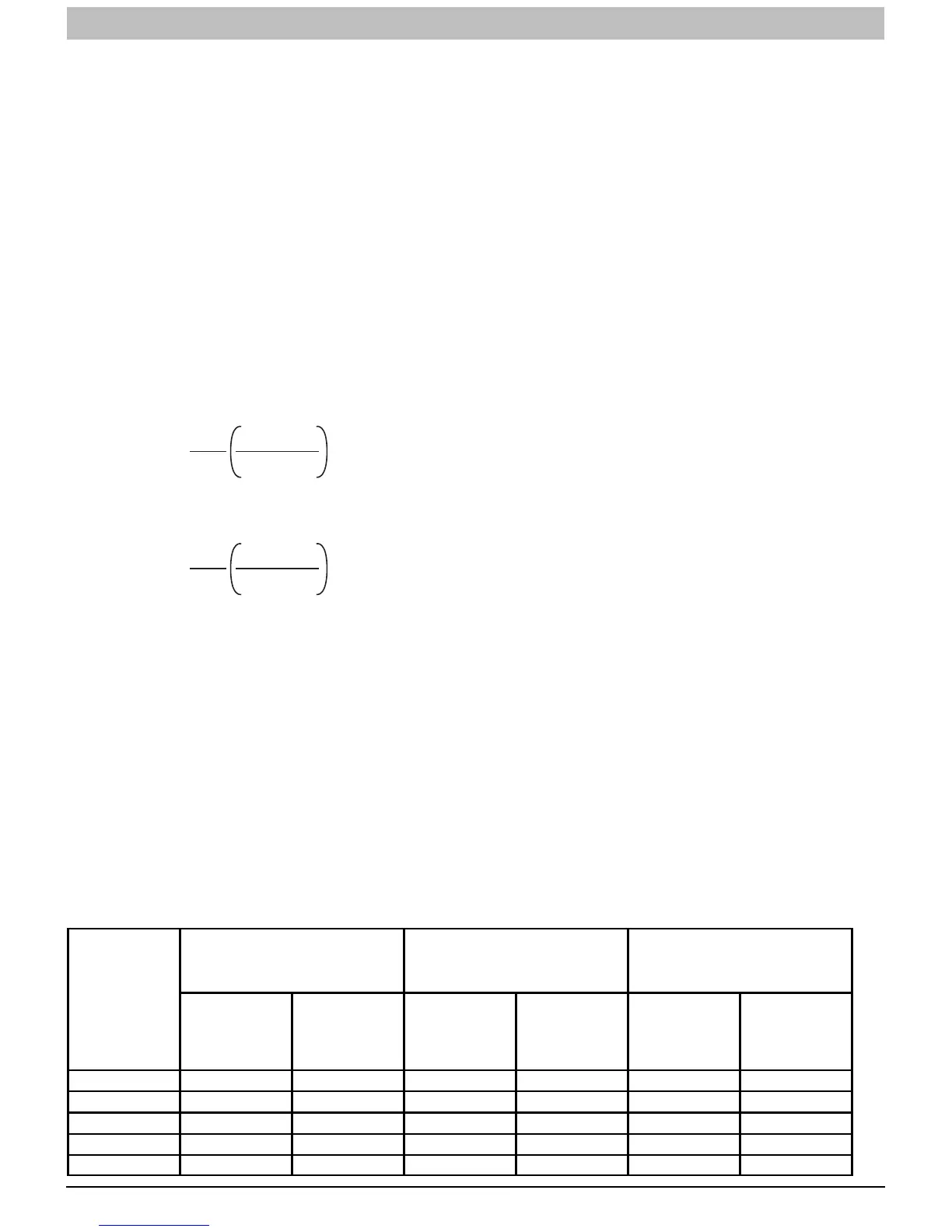
Table3–MinimumFreeAreaRequiredforEachCombustionAirOpeningorDucttoOutdoors
FURNACE
INPUT
(BTUH)
TWO HORIZONTAL DUCTS
(1 SQ. IN./2,000 BTUH)
(1,100 SQ. MM/KW)
SINGLE DUCT OR OPENING
(1 SQ. IN./3,000 BTUH)
(734 SQ. MM/KW)
TWO OPENINGS OR
VERTICAL DUCTS
(1 SQ. IN./4,000 BTUH)
(550 SQ. MM/KW)
Free Area of
Opening and
Duct
Sq. In (Sq.
mm)
Round Duct
In. (mm) Dia
Free Area of
Opening and
Duct
Sq. In (Sq.
mm)
Round Duct
In. (mm) Dia
Free Area of
Opening and
Duct
Sq. In (mm)
Round Duct
In. (mm) Dia.
40,000
20 (12904) 5 (127) 14 (8696) 5 (127) 10 (6452) 4 (102)
60,000
30 (19355) 6 (152) 20 (13043) 5 (127) 15 (9678) 5 (127)
80,000
40 (25807) 7 (178) 27 (17391) 6 (152) 20 (12904) 5 (127)
100,000
50 (32258) 8 (203) 34 (21739) 7 (178) 25 (16130) 6 (152)
120,000
60 (38709) 9 (229) 40 (26087) 7 (178) 30 (19355) 6 (152)



 To Next Page