Page 22
5. Operation
Warning! Do not use gasoline, lighter fluid, kerosene other flammable liquids to
start or freshen a fire in the stove keep all such liquids well away from the stove while
it is in use.
Fueling the wood-burning stove
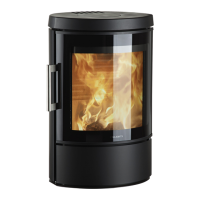
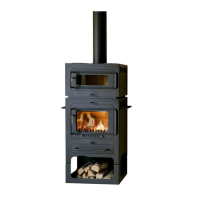
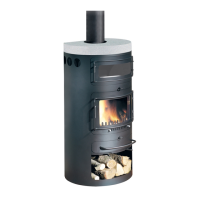
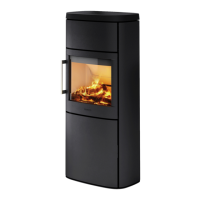
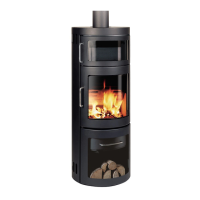
Your HWAM freestanding wood-burning stove is designed for burning dry natural well-
seasoned wood only (If your wood supply is not seasoned, ask your authorized
HWAM dealer where to obtain seasoned fuel in your area). Wood should be stored in
a dry place for at least two years before being used for fuel. Some trees have very
high moisture content and it is necessary to thoroughly dry the wood. Cutting and
splitting the wood can speed up the drying process, then stacking it with both ends of
the stick exposed. More drying occurs through the end than through the sides even
when the wood is split. We recommend that the moisture content of the wood be
between 15-18%. If your wood sizzles or you see bubbles coming from the end of the
logs, the wood is not dry.
Green or uncured wood does not work well as fuel, and can cause increased creosote
buildups. The value of green wood as a source of heat is limited. Do not overload, use
kindling wood, or mill ends for primary fuel as this may cause over-firing. Although
feeding excessive amounts of fuel to the stove should be avoided, it is important to
supply it with sufficient fuel to maintain a moderately hot fire (this is particularly
important since burning wood produces volatile substances).
Do not store wood within the installation clearances or within the space required for
refueling or ash removal.
Warning! Burning materials other than natural dry well seasoned wood may shorten
the life of your stove and possibly lead to a dangerous over-firing condition. Do not
burn garbage, particle, board, scraps or pressed logs using bonding agents because
they can produce conditions, which will deteriorate metal. Over firing the stove may
cause paint discoloration. A white glaze on the glass is an indication of over firing.


 To Next Page