L:\files\Manuals_For_Products\Engine_Manuals\Engine Maintenance Manual 22 & 33\JEM0002-5.docx
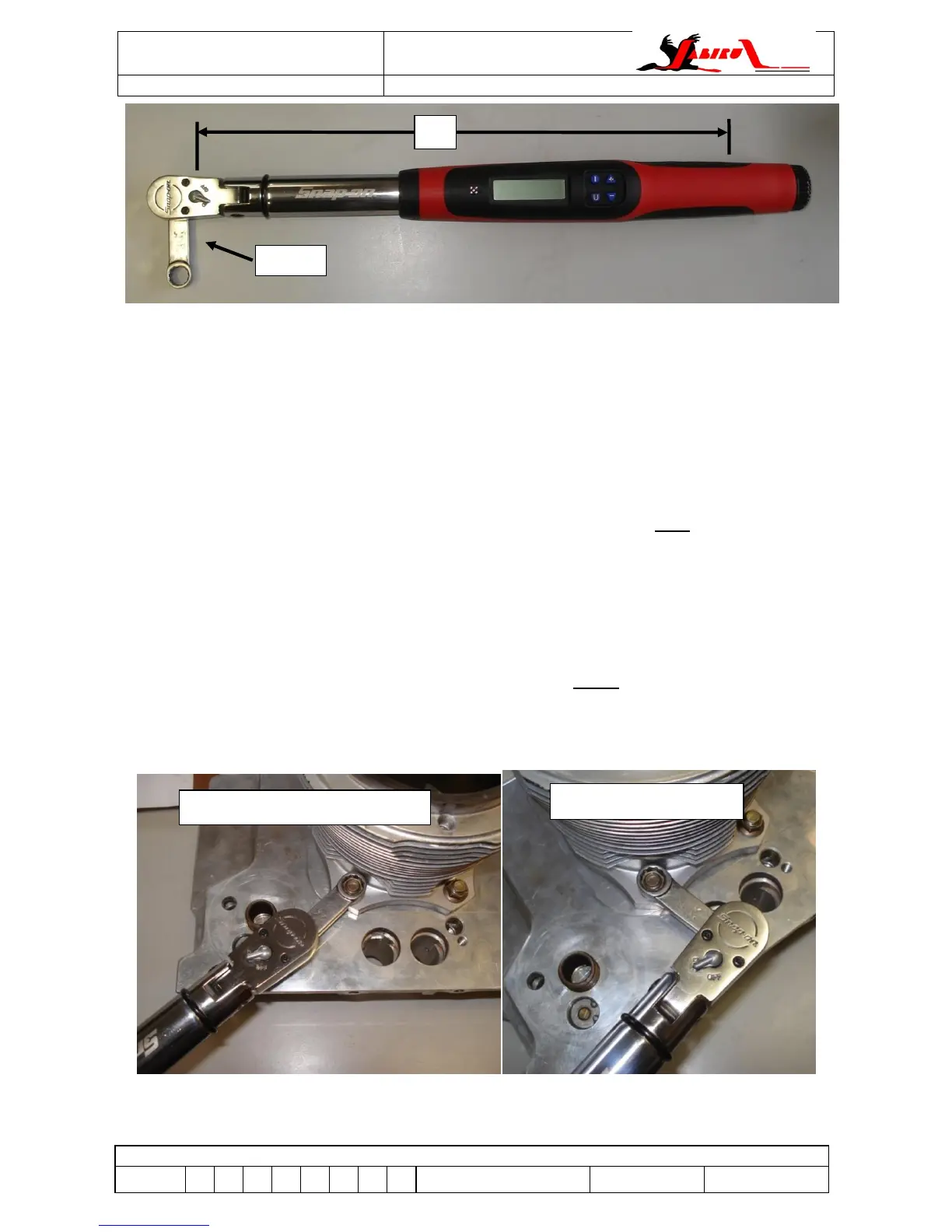
Figure 30 – Torque Wrench & Crowsfoot Adaptor Setting 2
A good torque wrench is an essential tool for maintaining and overhauling Jabiru Engines. It’s
important to realise however that even the best wrench needs calibrating occasionally. This
can be done using a dead weight on the end of a known arm or – preferably – sending the
wrench away to be calibrated. Note that Civil Aviation Authorities generally require that the tool
be calibrated in a way which is traceable to a NATA-standard laboratory.
A “Crowsfoot” extension as shown in Figure 26 is also necessary – it allows high torque
settings to be used on small nuts without damaging them. The crankcase through bolt nuts
used on Jabiru engines are a good example of an application suitable for a crowsfoot
extension. However, when using the extension as shown in Figure 29 the extra length will
throw off the torque setting of the wrench. This must be corrected using the following formula:
.
L1 is the distance from the middle of the grip of the handle to the centre of the wrench drive lug
L2 is the distance in the direction of the handle from the centre of the wrench drive lug to the
centre of the nut socket of the adaptor.
For example: a nut needs to be tensioned to 30lb.ft. The torque wrench is 12” long and the
crowsfoot extension is 2” long. The extension is oriented as shown in Figure 29. This means
that the torque wrench must be set to:
If the extension is oriented at 90° to the wrench as shown in Figure 30 then no correction is
needed because L2 is zero.
Figure 31 – Using A Crowsfoot Adaptor


 To Next Page