EasyManua.ls Logo

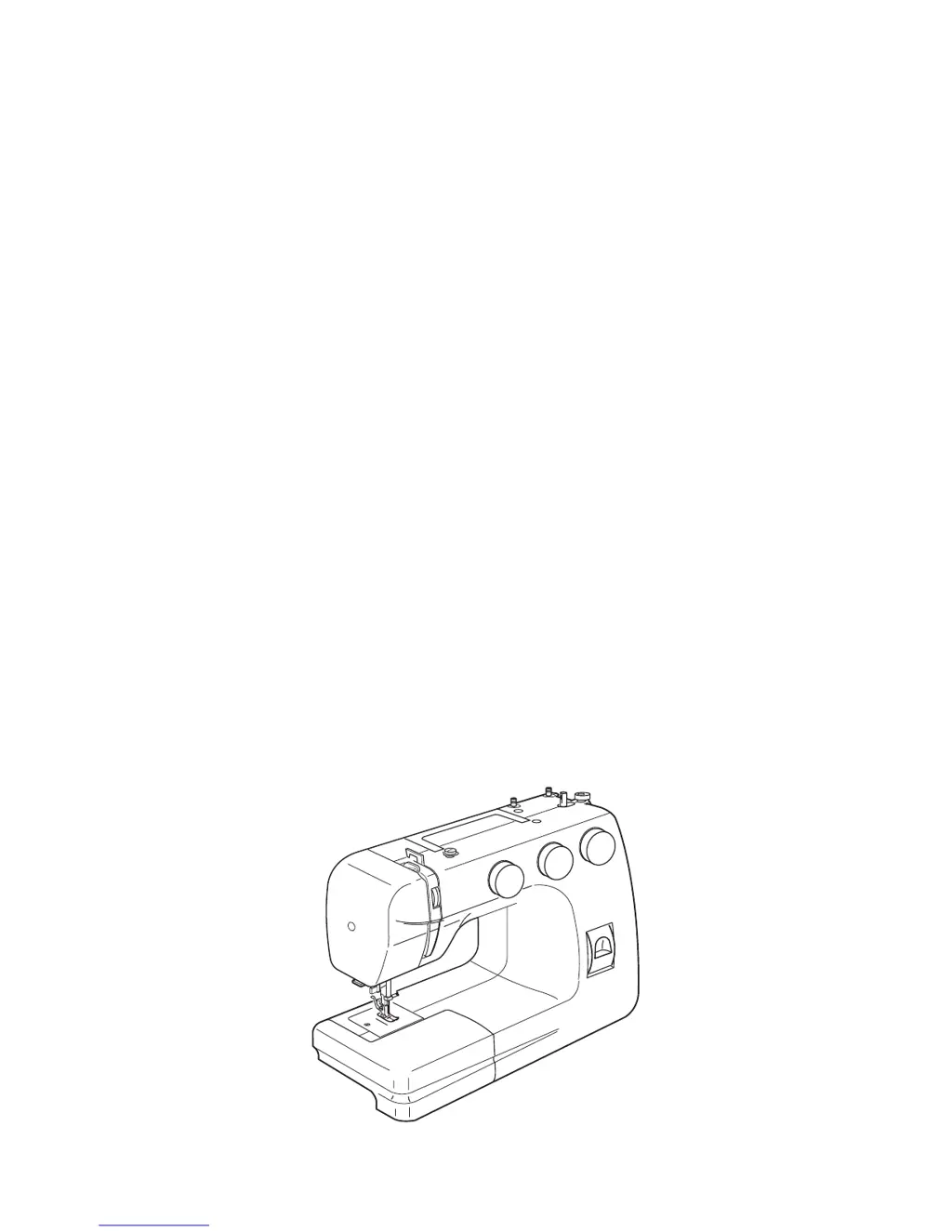
Janome YC-482J-EC - User Manual

Janome YC-482J-EC
32 pages
Print Icon
To Next Page IconTo Next Page
Loading...
Instruction book

Questions and Answers

  • G
    Geoffrey LeeJul 31, 2025
    Why does the bobbin thread keep breaking on my Janome Sewing Machine?
    • M
      michael90Jul 31, 2025
      The bobbin thread may break if: * The bobbin thread isn't threaded properly in the bobbin case and shuttle. * Lint has collected in the shuttle area. * The bobbin is damaged and doesn't turn smoothly; in this case, change the bobbin.
  • M
    Mrs. Angel WolfeAug 6, 2025
    Why is my Janome Sewing Machine making a noisy operation?
    • N
      Nicholas BarrettAug 7, 2025
      Noisy operation in your Janome Sewing Machine may occur because: * There is thread caught in the shuttle race. * Lint has built up in the shuttle or the shuttle race.
  • M
    Michael HumphreyAug 12, 2025
    Why is the cloth not feeding smoothly through my Janome YC-482J-EC?
    • A
      angela42Aug 12, 2025
      If the cloth isn't feeding smoothly through your Janome Sewing Machine, it could be because: * The feed dog is packed with lint. * The stitches are too fine; in this case, make stitch coarser.
  • C
    cbartlettAug 18, 2025
    Why does the needle thread keep breaking on my Janome Sewing Machine?
    • P
      Paul HoffmanAug 19, 2025
      The needle thread may break due to several reasons: * The needle thread wasn't threaded properly. * The needle thread tension is too tight. * The needle is bent or blunt. * The needle is incorrectly inserted. * The needle thread and the bobbin thread are not set properly under the presser foot at the beginning of sewing. * The fabric isn't drawn to the rear when sewing is finished. * The thread is too heavy or too fine for the needle.
  • S
    Steven AbbottAug 25, 2025
    What causes seam puckering on my Janome YC-482J-EC Sewing Machine?
    • C
      Carla DiazAug 25, 2025
      Seam puckering may happen on your Janome Sewing Machine because: * The needle thread tension is too tight. * The needle thread is not threaded properly. * The needle is too heavy for the fabric being sewn. * The stitch length is too long for the fabric; in this case, make stitch denser.

Summary

IMPORTANT SAFETY INSTRUCTIONS

SECTION I. ESSENTIAL PARTS

Name of Parts

Labels and identification of all key parts of the sewing machine.

Extension Table

Provides additional sewing surface and can be detached for free arm sewing.

Free Arm Sewing

Method for sewing smaller or circular garment parts like sleeves.

Standard Accessories

Lists and illustrates the common accessories provided with the machine.

SECTION II. GETTING READY TO SEW

Connecting the Machine to the Power Supply

Steps for safely connecting the sewing machine to the electrical power source.

Presser Foot Lifter

Mechanism to raise and lower the presser foot for fabric handling.

Changing Presser Foot

Procedure for removing and attaching different types of presser feet.

Changing Needles

Guide on how to properly replace the sewing needle.

Thread and Needle Chart

Recommendations for selecting needle and thread based on fabric type.

Removing or Inserting the Bobbin Case

Steps for correctly handling the bobbin case in the shuttle race.

Winding the Bobbin

Detailed instructions on how to wind thread onto a bobbin.

Threading the Machine

Comprehensive guide for threading the needle and upper thread path.

Thread Tension Dial

How to adjust and set the thread tension for optimal stitch quality.

Stitch Selector Dial

Mechanism for choosing and setting various stitch patterns.

Darning Plate

Instructions for attaching and using the darning plate for free-motion sewing.

SECTION III. BASIC SEWING

Straight Stitch Sewing

Core procedure for executing a straight stitch on the fabric.

Changing Sewing Direction

Method for pivoting the fabric to alter the sewing path.

Seam Guide Lines

Using markings on the needle plate to guide seam stitching.

Variable Needle Position

Adjusting needle placement for straight stitch accuracy.

SECTION IV. UTILITY STITCHING

Zigzag Stitching

Using the zigzag stitch for finishing edges and other tasks.

Overcasting

Applying stitches to prevent fabric fraying at raw edges.

Tricot Stitch

Finishing synthetic fabrics to prevent puckering.

Knit Stitch

A stretchable stitch suitable for swimwear and knits.

Straight Stretch

A durable stitch for reinforcing seams and adding elasticity.

Sewing Buttons

Guide on attaching buttons using the darning plate.

Automatic Buttonhole

Detailed steps for creating automatic buttonholes with the specialized foot.

Zipper Application

Instructions for sewing zippers onto garments and projects.

Blind Hem Stitch

Creating nearly invisible hems using a specific stitch technique.

SECTION V. DECORATIVE STITCHING

Shell Tuck

Creating decorative tucks on lightweight fabrics for aesthetic appeal.

Smocking

Technique to gather and decorate fabric using decorative stitches.

Box Stitch

A stitch suitable for joining heavier weight fabrics securely.

Applique

Stitching decorative fabric pieces onto a base fabric.

Decorative Stitch

Using specialized stitches for delicate fabric embellishments.

Decorative Satin Stitch Patterns

Applying satin stitches for decorative effects on linens and other items.

SECTION VI. MAINTENANCE OF YOUR MACHINE

Cleaning the Bobbin Case and the Hook

Steps to clean lint and debris from the bobbin case and hook area.

Cleaning the Feed Dog

Instructions for cleaning lint and dust from the feed dog teeth.

Sewing Light

Guide on how to replace the sewing machine's light bulb.

Troubleshooting

Needle Thread Breaks

Diagnosing and resolving issues when the needle thread snaps.

Bobbin Thread Breaks

Identifying causes and fixes for the bobbin thread breaking.

Skipped Stitches

Troubleshooting common reasons for the sewing machine to skip stitches.

Janome YC-482J-EC Specifications

General IconGeneral
BrandJanome
ModelYC-482J-EC
CategorySewing Machine
LanguageEnglish

Related product manuals