36
Rear Bumper
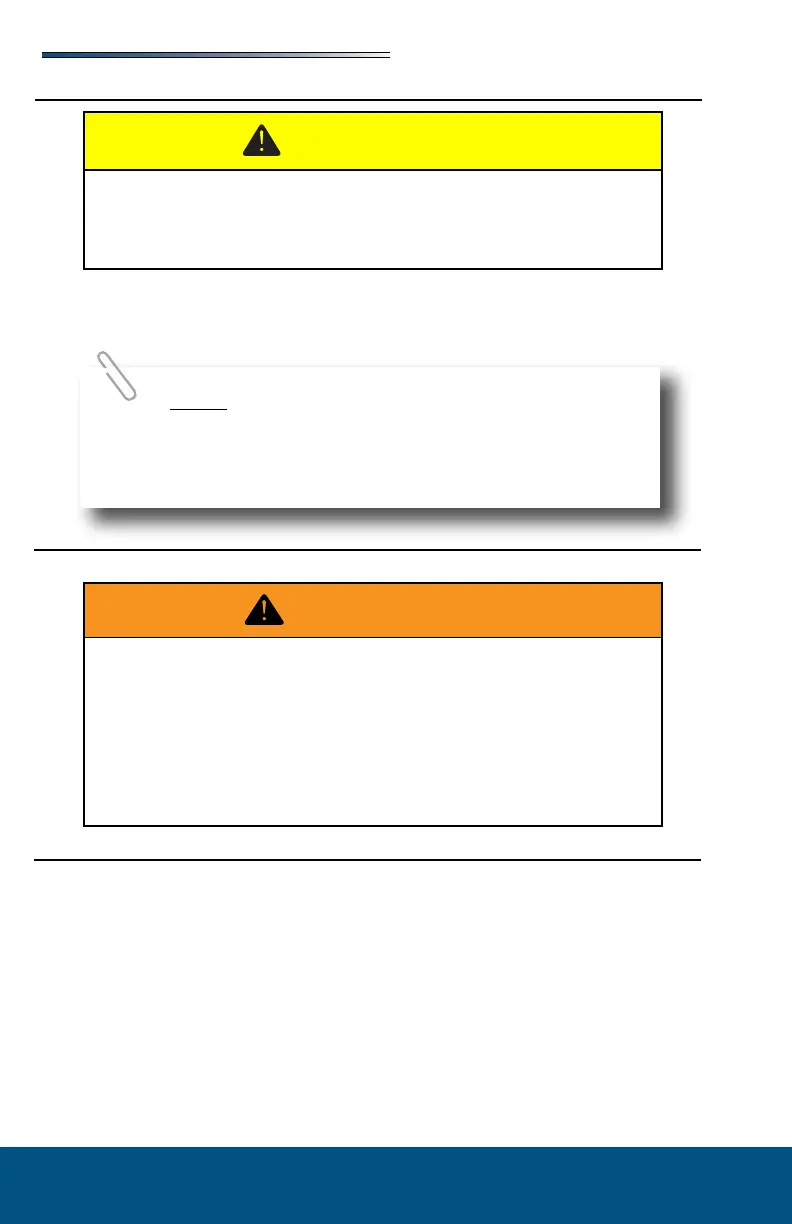
The rear bumper of your RV is not designed to carry cargo. Items that extend beyond the
bumper OR weigh over 100 lbs. (45kg) will place undo strain on the bumper. The 100 lb.
bumper capacity includes the weight of the spare tire (if so equipped).
Do not add items to the recreation vehicle rear bumper. Add-on items will
eventually damage your bumper. Damage caused by such aftermarket
equipment installation or improper loading voids the
Some items may fall within the given weight range, (IE:
bike racks) however, they can still cause damage. In addition,
extra weight behind the axle may reduce the hitch weigh which can
adversely affect handling.
Travel Trailer Hitch (customer supplied)
Hitch selection aects the towing and handling characteristics of your recreation vehicle.
There are many kinds of hitches available and assuring that you have the correct hitch
installed is critical to a safe towing.
Ask your dealer about the proper class and type of hitch you need for your individual tow
vehicle/RV combination. A travel trailer requires a frame mounted hitch.
The hitch class rating based on the capacity that hitch has for towing and a weight
classication. The weight classication is determined from the hitch’s weight carrying
capacity (the tongue weight on a travel trailer). Before selecting a hitch, you must know
your GVWR and tongue weight.
Bike Rack (If So Equipped)
Refer to the bike rack manufacturer’s owner’s manual for detailed safety and user information.
You are
responsible for securing bikes to your bike rack, checking the attachments
prior to use, and periodically inspecting the products for adjustment, wear, and
damage. You should read and understand all of the information supplied with
your product prior to installation or use. The bike rack should only be used
for transporting bikes. Failure to properly attach and secure bikes to the rack,
or using the racks to transport items other than bikes, may result in property
damage or serious injury..




 To Next Page