
 Need help?
Do you have a question about the KitchenAid KDTM404KPS0 and is the answer not in the manual?
Essential safety precautions to follow when using the dishwasher.
Proper grounding for dishwashers connected via a power cord.
Grounding requirements for dishwashers with permanent wiring.
Guidance on selecting and using detergents for optimal dishwasher performance.
Information on using rinse aid to improve drying and prevent hard water deposits.
Tips on choosing cycles for water and energy conservation.
Details on the Sanitize cycle and its compliance with NSF standards.
Proper loading techniques for silverware baskets for optimal cleaning.
How to adjust sliding bowl tines for efficient rack loading.
Using fold-down tines to customize rack spacing for various items.
Utilizing stemware holders and cup shelves for secure item placement.
Instructions on how to remove upper racks for better space utilization.
Methods for cleaning the dishwasher interior to remove residue and maintain performance.
Checking and cleaning the countertop air gap for proper draining.
Steps to prevent damage when the dishwasher is not in use for extended periods.
Guidelines for cleaning the dishwasher exterior safely and effectively.
Accessing troubleshooting info and emptying the foreign object cup.
How to adjust the rinse aid dispenser level via the settings menu.
Configuring sound notifications for cycle status and alerts.
Operating the interior tub light through the settings menu.
Activating and deactivating the Kosher Consumer Friendly mode.
Steps to perform a factory reset on the dishwasher settings.
List of error codes displayed on the unit and their meanings.
Essential tools and parts required for proper dishwasher installation.
Components not provided that are necessary for certain installations.
Available accessories to enhance dishwasher installation and function.
Required parts for specific plumbing or wiring configurations.
Ensuring the dishwasher is fully enclosed with adequate clearances.
Requirements for water, electrical, and drain access, and site conditions.
Procedures for leveling the dishwasher using shims if needed.
Diagrams showing the dishwasher's external measurements.
Specifications for the cabinet opening and required clearances.
Guidelines for connecting the drain hose and using an air gap.
Specifications for connecting the hot water supply line.
Requirements for electrical supply, wiring, and connections.
Steps to safely disconnect electrical power and water supply before installation.
Preparing the cabinet for new utility connections.
Procedure for drilling holes for drain, water, and electrical connections.
Instructions for installing a moisture barrier under wood countertops.
Using shims to level the dishwasher on built-up floors.
Adjustments for installing into a 33.5-inch cabinet opening.
Routing the electrical cable for direct wire connections.
Safely laying the dishwasher on its back for preparation.
Steps for removing the lower access panels and insulation.
Disconnecting the drip tray and float switch wire for access.
Measuring the opening and adjusting leveling legs for proper fit.
Connecting the copper water supply line to the fill valve.
Steps for connecting copper tubing with nuts and ferrules.
Ensuring the flexible braided water supply line is long enough.
Properly tightening the 90° elbow fitting to the fill valve.
Procedure for connecting the drain hose to house plumbing.
Steps to prepare the terminal box and install the power cord strain relief.
Connecting the ground wire to the terminal box.
Connecting the white and black wires to the terminal block.
Securing the power cord and reinstalling the terminal box cover.
Attaching the door handle using the provided hardware.
Attaching foam side shields to the dishwasher for noise reduction.
Safely standing the dishwasher upright after preparation.
Routing hoses and cords, and securing insulation before final placement.
Reference to custom panel installation instructions.
Selecting the appropriate method to secure the dishwasher to the cabinet.
Securing the dishwasher to the countertop using brackets.
Securing the dishwasher to the side cabinet using brackets.
Verifying door clearance and alignment with cabinets.
Ensuring the dishwasher is plumb and level using adjustable legs.
Final alignment checks and securing the dishwasher to the cabinet.
Verifying door clearance and cabinet spacing for proper operation.
Completing the direct wire electrical connection.
Attaching the water supply line to the house shut-off valve.
Connecting the drain hose to the waste tee or garbage disposer.
Connecting drain hose to disposer without an air gap.
Connecting drain hose to waste tee without an air gap.
Connecting drain hose to disposer with an air gap.
Connecting drain hose to waste tee with an air gap.
Reconnecting the float switch connector after installation.
Reinstalling the drip tray ensuring proper hose placement.
Plugging in the power cord and restoring electrical power.
Running the installation cycle to verify proper operation and check for leaks.
Securing the access panels and fasteners after installation.
Final step of reinstalling the dishwasher access panels.
Initial checks to perform if the dishwasher is not functioning correctly.
 General
| Type | Built-In |
|---|---|
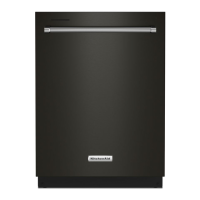
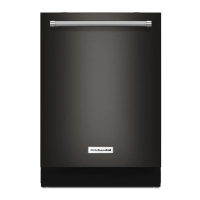
| Color | Black Stainless Steel |
| Capacity | 14 place settings |
| Noise Level | 44 dBA |
| Wash Cycles | 6 |
| Control Type | Electronic |
| Number of Options | 5 |
| Number of Racks | 3 |
| Cutlery Tray | Yes |
| Tub Material | Stainless Steel |
| Width | 23.88 inches |
| Depth | 24.5 inches |
| Height | 34.5 inches |
| Energy Star Qualified | Yes |
| Place Settings | 14 |
| Energy Star Certified | Yes |
| Third Rack | Yes |
| Stainless Steel Tub | Yes |
| Soil Sensor | Yes |
| Delay Start | Yes |



 To Next Page