Alarm signals
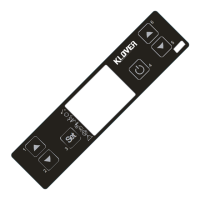
If there is a malfunction in the cooker the display board will activate an alarm and indicate on the display the
type of malfunction that has occurred. The board has the following alarm indications.
AL 9
WATER PROBE ACTIVE ALARM
Faulty or disconnected water temperature probe.
AL 2
FLUE GAS PROBE ACTIVE ALARM
Faulty or disconnected flue gas temperature probe.
AL 3
HOT TEMP ACTIVE ALARM
Flue gas over-temperature. When flue gas temperature is higher than 260°C.
Before displaying the alarm, or when flue gas maximum temperature is reached
(Pr14). the display shows “HOT FLUE GAS”.
AL 5
NO IGNIT- ACTIVE ALARM
No ignition. When the flue gas minimum temperature (Pr13) is not reached within
maximum ignition cycle time (Pr01).
AL 6
NO PELLET ACTIVE ALARM
Sudden shutdown during working mode. When, during work, the flue gas
temperature drops below the minimum threshold (Pr13).
AL 4
FAULTY INTAKE DEV- ACTIVE ALARM
Faulty intake device. When the intake device speed measured by an in-built
encoder (tachometer) is equal to 0.
Each alarm condition causes an immediate shutdown.
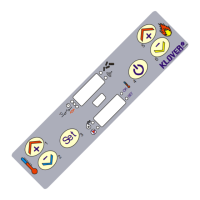
After the time set on Pr11 (alarms delay) the alarm state is reached; press key 4 to reset it.
What you need to know...
Listed below are some things you should know about the equipment:
It is normal to smell paint from the equipment in the first few days of operation. The first time the
central heating cooker is powered, we recommend keeping the installation room ventilated. We also
recommend setting the cooker at maximum power for the first few days of operation.
The boiler body is treated with an antioxidant paint to protect it against oxidation due to long periods
of disuse. After the first ignition, this paint will no longer have this function, and any wear of the paint
inside the combustion chamber is not to be considered a product defect.
Any perceived noise can be attributed to the boiler body settlement expansion, and is not
considered a manufacturing defect. This noise is primarily perceived during ignition and shutdown.


 To Next Page