EasyManua.ls Logo

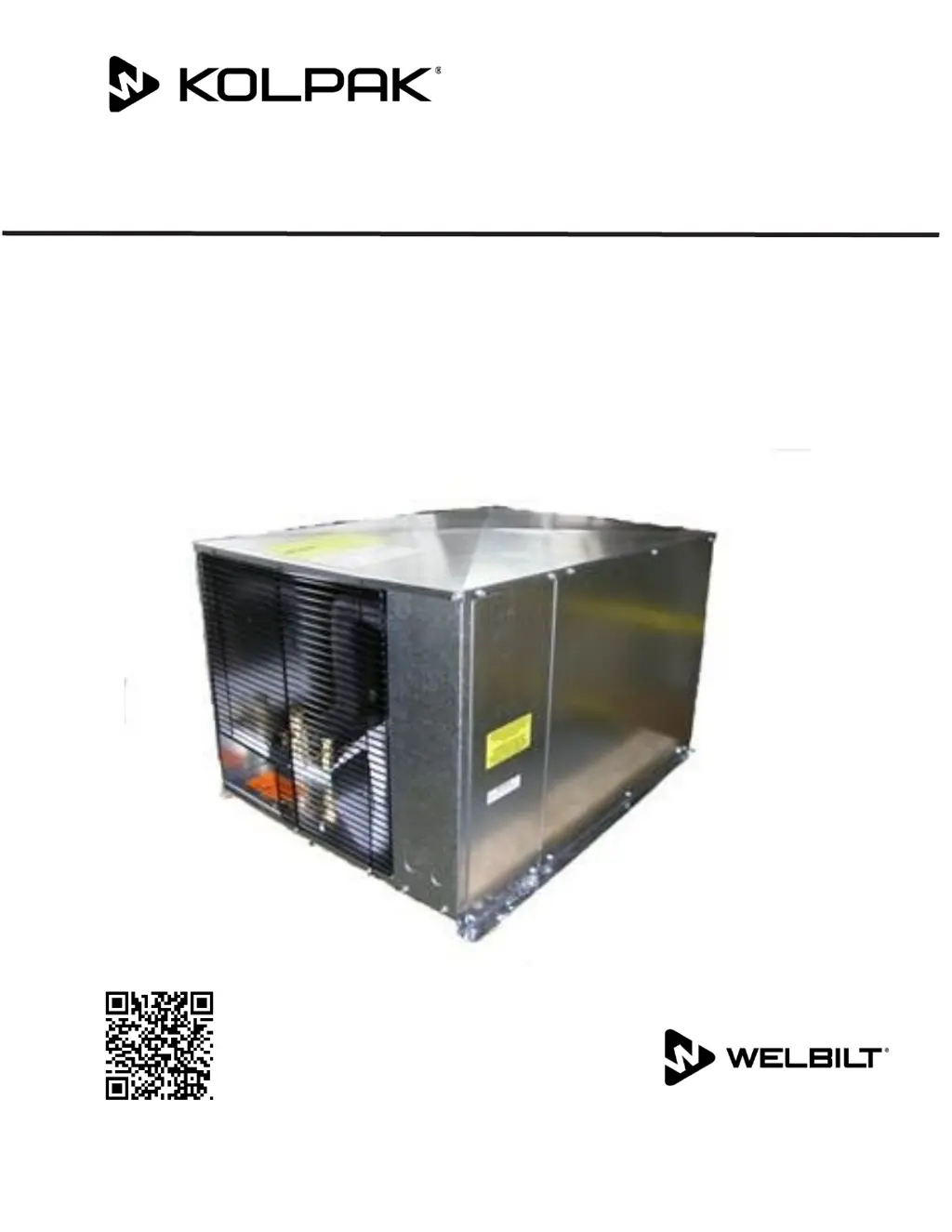
Kolpak PR - User Manual

Kolpak PR
32 pages
Print Icon
To Next Page IconTo Next Page
Loading...
Protecting Your Future
Refrigeration System
Original Instructions
Installation, Operation and Maintenance Manual
This manual is updated as new information and models are released. Visit our website for the latest manual.
Part Number: 550001058-12 08/19

Questions and Answers

  • D
    Donald JosephAug 17, 2025
    Why is the walk-in temperature too high in my Kolpak Refrigerator?
    • D
      David ThomasAug 17, 2025
      If the walk-in temperature of your Kolpak Refrigerator is too high, there are several potential reasons. First, check if the thermostat is set too high and adjust it accordingly. High superheat could also be the issue, requiring an adjustment of the thermal expansion valve. Additionally, the system might be low on refrigerant, which means you'll need to locate and repair any leaks, recover the remaining refrigerant, evacuate the system, and then recharge it. Finally, icing on the coil can cause this problem, so manually defrost the coil and inspect the defrost controls.
  • M
    Marcia SmithAug 22, 2025
    How to troubleshoot fan not working in Kolpak Refrigerator?
    • L
      Lauren BarronAug 22, 2025
      If the fan(s) in your Kolpak Refrigerator are not working, here are some potential causes and solutions: * Ensure the main switch is closed. * Replace any blown fuse(s), and check for short circuits or overload conditions. * Replace the motor if it is defective. * Replace any defective timer or defrost thermostat. * If the unit is in a defrost cycle, wait for it to complete.
  • M
    Mr. Ronald Taylor Jr.Aug 26, 2025
    Why is the discharge pressure high in my Kolpak PR?
    • J
      Jessica MurphyAug 26, 2025
      High discharge pressure in your Kolpak Refrigerator can stem from several causes. First, the presence of non-condensable substances in the system necessitates recovery, evacuation, and recharge. An overcharged system requires removal of the excess refrigerant. Ensure the discharge shut-off valve is fully open. A non-running fan demands checking of the electrical circuit or replacement of a defective fan motor. Insufficient condenser air supply needs investigation and correction. Lastly, a dirty condenser coil should be cleaned.
  • E
    Erika HillAug 28, 2025
    How to stop ice accumulating in my Kolpak PR?
    • D
      Donna HernandezAug 28, 2025
      If ice is accumulating on the ceiling around the evaporator, fan guards, venturi, or blades in your Kolpak Refrigerator, consider these solutions. If the defrost duration is too long, adjust the defrost termination thermostat, if it's adjustable. Replace the defrost thermostat if the fan delay isn't delaying fans after the defrost period. Replace any defective defrost thermostat or timer. Reduce the number of defrost cycles per day if there are too many.
  • B
    Benjamin MitchellAug 31, 2025
    What causes low discharge pressure in a Kolpak Refrigerator?
    • D
      Deborah GeorgeAug 31, 2025
      Low discharge pressure in your Kolpak Refrigerator can be attributed to several factors. Start by checking the operation of the head pressure control if it's faulty. Ensure the suction shut-off valve is fully open. If there's insufficient refrigerant in the system, locate and repair any leaks, recover the remaining refrigerant, evacuate the system, and then recharge it. Lastly, verify the refrigerant charge is correct if the suction pressure is low.
  • M
    Michael CarterSep 3, 2025
    Why is there frost on the coil after defrost cycle in my Kolpak Refrigerator?
    • K
      karen34Sep 3, 2025
      If you notice frost on the coil of your Kolpak Refrigerator after the defrost cycle, here are some things to check. First, make sure the coil temperature is getting above the freezing point during defrost by checking the heater operation. If not enough defrost cycles are occurring per day, adjust the timer for more cycles. If the defrost cycle is too short, adjust the timer for a longer cycle and check the defrost thermostat mounting. Finally, replace the timer or defrost thermostat if either is defective.
  • A
    Adam JamesSep 5, 2025
    What to do if ice is accumulating in the drain pan of my Kolpak PR?
    • J
      Jason YoungSep 6, 2025
      If ice is accumulating in the drain pan of your Kolpak Refrigerator, several issues could be the cause. Start by replacing the heater if it is defective. Check and adjust the unit's pitch to ensure proper drainage. Clean the drain line if it is plugged. Replace the drain line heater if it is defective. Lastly, replace the timer or thermostat if either is defective.
  • T
    Terry BrightSep 8, 2025
    Why is my Kolpak PR compressor noisy or vibrating?
    • H
      Howard RyanSep 8, 2025
      If the compressor in your Kolpak Refrigerator is noisy or vibrating, it could be due to refrigerant flooding into the crankcase; check the superheat setting of the expansion valve. Another cause could be improper pipe support, so relocate or add hangers. Finally, the compressor may be worn and require replacement.
  • R
    Riley GriffithSep 12, 2025
    What causes a Kolpak Refrigerator compressor to lose oil?
    • J
      Justin SwansonSep 12, 2025
      If the compressor in your Kolpak Refrigerator is losing oil, it could be due to a lack of refrigerant, which requires locating and repairing the leak, recovering the refrigerant, evacuating, and recharging the system. It could also be caused by excessive compression ring blow-by, which means you'll need to replace the compressor. Refrigerant flood back can also cause oil loss, so maintain proper superheat at the compressor. Finally, improper piping or traps should be corrected.
  • B
    Barbara ForbesSep 13, 2025
    Why is the compressor thermal protector switch open on my Kolpak PR?
    • J
      josephnealSep 14, 2025
      If the thermal protector switch on your Kolpak Refrigerator's compressor is open, it might be due to operating beyond design limits; add facilities to ensure operation stays within allowable limits. Another potential cause is a partially shut discharge valve, which should be opened. A dirty condenser coil should be cleaned. Lastly, an overcharged system requires correcting the charge.

Summary

Section 1 General Information

Receiving Inspection

Procedure for checking delivered equipment against the bill of lading for completeness and damage.

Warranty Information

Details on warranty guidelines, claims, product registration, and service provider location.

Section 2 Installation

Condensing Units

Guidelines for properly locating and mounting condensing units for optimal performance and safety.

Evaporator Units

Instructions for installing evaporator coils, including clearance requirements and mounting procedures.

Section 3 Wiring

Wiring

Requirements and best practices for all electrical connections, routing, and grounding according to codes.

Section 4 Piping

Piping

General guidelines for refrigeration piping installation, material selection, and elbow usage.

Cleanliness

Procedures to maintain system cleanliness during piping installation to prevent contamination and failure.

Pipe Supports

Guidelines for properly supporting refrigerant tubing to prevent stress, fatigue, and leaks.

Oil Traps

Proper installation of P-type oil traps in suction lines to ensure oil return to the compressor.

Drain Lines

Requirements for pitching, insulating, and trapping evaporator drain lines for proper condensate removal.

Pre-Charged lines and Quick Connects

Instructions for routing, connecting, and ensuring the integrity of pre-charged refrigerant lines.

Leak Testing

Methods and importance of leak testing the refrigeration system to ensure a leak-free installation.

System Evacuation

Process for removing air and moisture from the system to achieve a deep vacuum for optimal performance.

Refrigerant Charging

Procedures for correctly charging the system with refrigerant, including charge amount and sight glass checks.

Section 5 Operational Start-Up

Pre-Start Checks

Essential checks to perform before operating the system to ensure proper installation and safety.

Compressor Mounts

Instructions for adjusting compressor mounting springs for semi-hermetic compressors before start-up.

Start-Up

Steps and checks required during the initial two hours of system operation to ensure normal conditions.

Compressor Superheat

How to check and adjust compressor superheat for optimal performance and compressor longevity.

Evaporator Superheat

Method for measuring and achieving correct evaporator superheat for efficient cooling.

ArcticFox Thermostat With LDA

Information and video link for setting up the ArcticFox thermostat and its data logging features.

Setpoints

Definitions and general explanation of various setpoints available on the ArcticFox thermostat.

Basic Setpoints

Default values for key setpoints like temperature, differential, and defrost for different models.

Custom tod (Time of Day) Defrost Setpoints

Table outlining custom defrost start times that can be programmed for specific periods.

Custom Defrost Setup

Step-by-step guide for configuring custom defrost schedules using the thermostat controls.

Electric Defrost Timer

Instructions for setting and understanding the operation of the electric defrost timer.

Section 6 Maintenance

Preventive Maintenance Tasks

Scheduled tasks for maintaining the evaporator, condenser, and general system components.

Polyol Ester (POE) Lubricants

Properties and handling instructions for POE lubricants used with HFC refrigerants.

Section 7 Troubleshooting

Evaporator Troubleshooting

Common evaporator problems, their possible causes, and corrective actions for diagnosis.

Condensing Unit Troubleshooting

Common condensing unit issues, potential causes, and recommended solutions for repair.

Kolpak PR Specifications

General IconGeneral
BrandKolpak
ModelPR
CategoryRefrigerator
LanguageEnglish