EasyManua.ls Logo

Konsberg cNODE MiniS - User Manual

Konsberg cNODE MiniS
64 pages
Print Icon
To Next Page IconTo Next Page
Loading...
Instruction manual
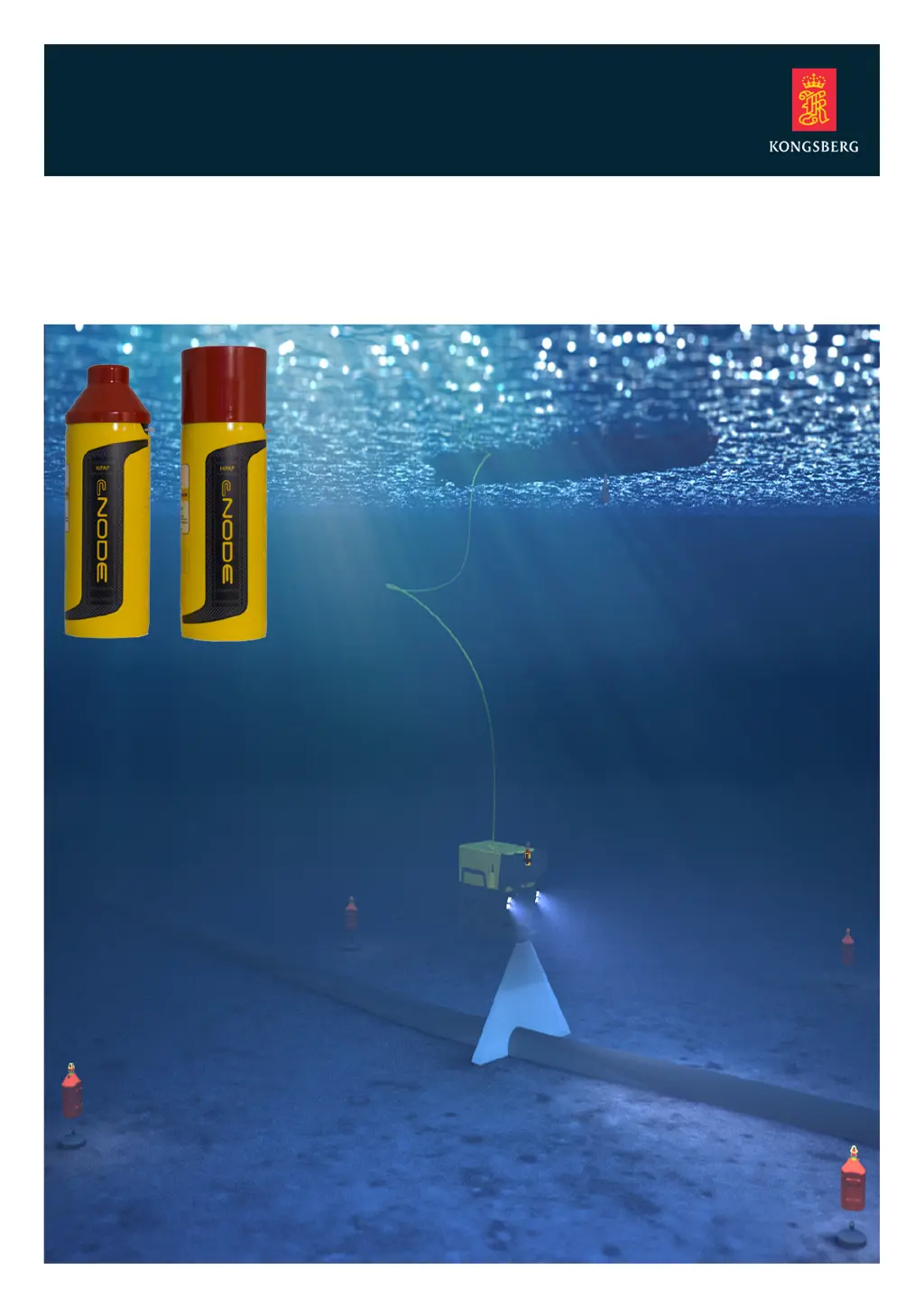
cNODE MiniS transponder

Table of Contents

Questions and Answers

Summary

About this manual

Target audience

Identifies the intended users of the instruction manual.

Online information

Provides information on where to download manuals from the website.

Registered trademarks

Lists the registered trademarks associated with the product.

Kongsberg cNODE MiniS Overview

System description

Details the capabilities, applications, and operational principles of the cNODE MiniS.

Naming convention

Explains the naming structure for different cNODE MiniS models and options.

System components

Describes key system units like transponders and battery chargers.

General supply conditions

Outlines the terms and conditions for the delivery of the cNODE MiniS.

Equipment responsibility

Defines the division of responsibility for the equipment.

Support information

Provides contact details for technical support and documentation.

General Acoustic Considerations

Acoustic range factors

Discusses parameters influencing acoustic range and user control.

Vessel system impact

Explains how vessel systems affect signal coverage and directivity.

Transducer types and use

Details various transducer types and their operational characteristics.

Transmission power (TX Power)

Covers the role of transmission power in signal detection.

Acoustic noise sources

Identifies sources of noise that can affect acoustic signals.

Sound velocity effects

Explains how water conditions bend acoustic signals.

Getting Started with cNODE MiniS

Charging the battery (on-deck)

Step-by-step procedure for safely charging the transponder's battery.

Turning on the cNODE MiniS

Instructions for powering on and activating the transponder.

Connecting to Power and Signals

Guide for connecting the transponder to external power and responder signals.

Mode Switching Procedures

Explains how to change the transponder's operational mode.

TTC Operation and Acoustic Test

Details on using the TTC for operation and performing acoustic tests.

Transponder Configuration

Steps for configuring the transponder's settings and parameters.

Pre-Deployment Checks

Essential checks to ensure proper functioning before deployment.

Deployment and Recovery

Procedures for deploying and recovering the transponder in subsea environments.

Cymbal Protocol Details

Information on the Cymbal acoustic protocol for positioning and communication.

Maintenance and Servicing

Safety Features and Handling

Covers safety features like the pressure relief valve and handling procedures.

Battery Charging Procedure

Provides detailed steps for charging the cNODE MiniS battery.

Subconn Connector Greasing

Recommendations for greasing Subconn connectors to ensure proper sealing.

Battery Charger Troubleshooting

Guide to interpreting LED indicators and troubleshooting battery charger issues.

Spare Parts List

MiniS Transponder Variants

Lists spare parts for various MiniS models (e.g., 34-180, 34-40V).

TDR and Other MiniS Spares

Lists spare parts for TDR models and other MiniS variants.

Cables and Accessories Spares

Lists spare parts for transducer cables, battery chargers, and plugs.

Test and Configuration Spares

Lists spare parts for TTC units and configuration cables.

Drawing File and Dimensions

180° Transducer Outline Dimensions

Provides dimensional drawings and specifications for 180° transducers.

40° Transducer Outline Dimensions

Provides dimensional drawings and specifications for 40° transducers.

MiniS 34-S Outline Dimensions

Details the physical dimensions of the MiniS 34-S model.

External Connector Pinout

Illustrates the pin configuration of the external connector for various functions.

TDR Model Outline Dimensions

Provides dimensional drawings for TDR180, TDR40V, and TDR30H models.

Technical Specifications

Performance Specifications

Summarizes the main functional and operational characteristics of the cNODE MiniS.

Weight and Outline Dimensions

Details the physical weight and dimensions of system components.

Power Requirements

Specifies the power supply requirements for the transponder and charger.

Environmental Requirements

Lists the operating, storage, and vibration specifications.

Battery Safety Information

Section 1: Identification

Provides identification details for the cNODE MiniS battery.

Section 2: Hazards Identification

Identifies potential hazards associated with the battery.

Section 3: Composition

Details the chemical composition of the battery.

Section 4: First Aid Measures

Outlines immediate first aid actions for battery exposure.

Section 5: Firefighting Measures

Provides guidance on appropriate firefighting techniques for battery fires.

Section 6: Accidental Release Measures

Details procedures for handling accidental battery leaks or spills.

Section 7: Handling and Storage

Specifies safe practices for handling and storing the battery.

Section 8: Exposure Control and Personal Protection

Recommends protective measures for potential exposure to battery hazards.

Section 9: Physical and Chemical Properties

Describes the physical and chemical characteristics of the battery.

Section 10: Stability and Reactivity

Information on the battery's stability and potential reactive hazards.

Section 11: Toxicological Information

Data concerning the toxicity of battery components.

Section 12: Ecological Information

Information on the environmental impact of battery disposal.

Section 13: Disposal Considerations

Guidelines for the proper disposal of batteries.

Section 14: Transport Information

Regulations and requirements for transporting the battery.

Section 15: Regulatory Information

Lists applicable regulatory information for the battery.

Section 16: Other Information

Provides links to additional safety data sheets for battery manufacturers.

Konsberg cNODE MiniS Specifications

General IconGeneral
ManufacturerKongsberg Maritime
Product NamecNODE MiniS
TransducerIntegrated
IP RatingIP68
ModulationFSK
Communication ProtocolcNODE Protocol
Operating Temperature-5°C to +40°C