EasyManua.ls Logo

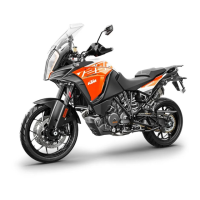
KTM 1290 Super Adventure S 2018 - User Manual

KTM 1290 Super Adventure S 2018
348 pages
Print Icon
To Next Page IconTo Next Page
Loading...
OWNER'S MANUAL 2018
1290 Super Adventure S
Art. no. 3213751en

Table of Contents

Other manuals for KTM 1290 Super Adventure S 2018

Questions and Answers

  • J
    Jonathan DiazAug 20, 2025
    Why KTM 1290 Super Adventure S 2018 Motorcycle engine turns but does not start?
    • D
      Dawn FloydAug 20, 2025
      If your KTM Motorcycle engine turns but doesn't start, there could be a few potential issues. First, ensure that the plug-in connection of the fuel hose is properly connected. Second, there might be a fault in the fuel injection system. Third, the fuel quality might be insufficient, so try adding suitable fuel.
  • D
    dscottAug 22, 2025
    What to do if KTM 1290 Super Adventure S 2018 Motorcycle engine does not turn if the emergency OFF switch/electric starter button is pressed?
    • G
      gregory18Aug 22, 2025
      If your KTM Motorcycle engine doesn't turn when you press the emergency OFF switch/electric starter button into the lower position, consider these potential causes. It could be an operating error, so ensure you are following the correct start procedure. Also, the battery may be discharged, so recharge it and check the open-circuit current. It is also possible that the safety start system is faulty or there is an electronic fault.
  • C
    Christine NguyenAug 25, 2025
    Why does KTM Motorcycle engine die during the trip?
    • P
      Paul HuntAug 25, 2025
      If your KTM Motorcycle engine dies during a trip, it might be due to a lack of fuel, so refuel. Alternatively, there could be a fault in the fuel injection system.
  • J
    Jose EllisAug 26, 2025
    Why does KTM 1290 Super Adventure S 2018 have high oil consumption?
    • M
      Miss Terri Kennedy MDAug 26, 2025
      High oil consumption in your KTM Motorcycle can be attributed to a couple of factors. The engine oil level might be too high, so check it. Alternatively, the engine oil might be too thin (low viscosity), in which case you should change the engine oil and oil filter and clean the oil screens.
  • P
    pittsryanAug 27, 2025
    What to do if the combination instrument shows nothing on the KTM 1290 Super Adventure S 2018 Motorcycle display?
    • R
      Ryan RobertsonAug 27, 2025
      If the combination instrument on your KTM Motorcycle display is blank, there could be several reasons. First, check if Fuse 1 is blown and replace it if necessary. Second, the main fuse might be burned out, so replace that as well. Finally, the battery could be discharged; in this case, recharge the battery and check the open-circuit current.
  • R
    Robert WillisAug 29, 2025
    Why does the ABS indicator lamp light up on KTM 1290 Super Adventure S 2018?
    • O
      ortegaallisonAug 30, 2025
      If the ABS indicator lamp lights up on your KTM Motorcycle, it could be due to several reasons. First, the ABS fuse might be blown, so replace the fuses in the fuse box. Second, the wheel speeds of the front and rear wheels may differ greatly; in this case, stop, switch off the ignition, and start again.
  • J
    Jordan EvansSep 1, 2025
    What causes the battery to discharge on a KTM Motorcycle?
    • M
      Matthew JamesSep 1, 2025
      If the battery of your KTM Motorcycle is discharged, consider these possible causes: a power consumer might be connected to the socket/ACC1, so disconnect it and recharge the battery; the hazard warning flasher might be switched on, so switch it off and recharge the battery; the battery may not be charged by the alternator, so check the charging voltage; or the ignition was not switched off when the vehicle was parked, so recharge the battery.
  • L
    Leslie SalasSep 3, 2025
    What does it mean if the malfunction indicator lamp lights up on KTM 1290 Super Adventure S 2018?
    • C
      Charles BeckSep 3, 2025
      If the malfunction indicator lamp lights up on your KTM Motorcycle, it indicates a potential fault in the fuel injection system.
  • J
    Jeffrey DuncanSep 4, 2025
    What does it mean if Race-on indicator lamp flashes twice on KTM Motorcycle?
    • F
      francisco90Sep 5, 2025
      If the Race-on indicator lamp flashes twice on your KTM Motorcycle, it means there is no response signal from the Race-on key. Make sure the Race-on key is within range, remove other electronic devices from the vicinity of the Race-on antenna, check the battery compartment in the Race-on key for correct locking, check the battery holder of the Race-on key for corrosion. You can also try changing the Race-on key battery or using the black ignition key.
  • S
    Sophia FinleySep 7, 2025
    Why does KTM 1290 Super Adventure S 2018 Motorcycle engine turn only if the clutch lever is drawn?
    • M
      Michael PopeSep 7, 2025
      If the KTM Motorcycle engine turns only when the clutch lever is drawn, it could be because the vehicle is in gear, so shift the transmission to idle.

Summary

Safety Advice and Warnings

Intended Use and Design Limits

Defines the intended purpose and design limitations of the vehicle for safe operation.

Understanding Vehicle Misuse Dangers

Highlights the dangers and consequences of using the vehicle in ways not intended by the manufacturer.

General Safety Instructions

Emphasizes the importance of following safety instructions for safe operation of the motorcycle.

Risk Degrees and Warning Symbols

Explains the different levels of risk (Danger, Warning, Caution, Note) and their associated symbols.

Tampering and Noise Control Warning

Warns against tampering with the noise control system and lists prohibited acts.

Safe Vehicle Operation Guidelines

Provides essential safety guidelines for operating the vehicle, including rider fitness and condition.

Protective Clothing Requirements

Stresses the importance of wearing appropriate and well-maintained protective gear for rider safety.

Important Notes and Recommendations

Vehicle Service Requirements

Explains the necessity of proper service, care, and tuning for optimal operation and longevity.

Serial Number Locations

Motorcycle Controls Overview

Clutch Lever Operation

Describes the clutch lever, its location on the handlebar, and its hydraulic, self-adjusting operation.

Hand Brake Lever Function

Explains the hand brake lever's location and function for activating front and rear brakes simultaneously.

Throttle Grip Location

Indicates the location of the throttle grip on the right side of the handlebar.

Light Switch Operation

Details the operation of the light switch on the left combination switch for low beam, high beam, and flasher.

Cruise Control System Operation

Explains the function and operation of the cruise control system tip switch for speed adjustment and activation.

Turn Signal Switch Function

Explains the operation of the turn signal switch on the left combination switch for left and right signals.

Hazard Warning Flasher Switch

Explains the function of the hazard warning flasher switch on the right combination switch for emergency situations.

Emergency OFF;Starter Button Functions

Describes the three positions of the emergency OFF/starter button: off, on, and starter motor.

Race-On Tip Switch for Ignition

Explains the Race-on tip switch function for ignition lock and handlebar locking.

Steering Lock Mechanism

Details how the steering lock is activated and controlled electromechanically via the Race-on key.

Race-On Key Functions

Describes the functions of the Race-on key, including its use as a conventional ignition key.

Side Stand Functionality

Explains the location and function of the side stand, noting its coupling with the safety starting system.

Combination Instrument Guide

Combination Instrument Overview

Describes the combination instrument attached in front of the handlebar, divided into indicator lamps and display.

Warning Notes on Display

Explains how warning notes appear on the display in yellow or red, indicating errors or required actions.

Indicator Lamp Meanings

Lists and describes various indicator lamps that provide information about the motorcycle's operating state.

Display Layout and Elements

Shows the standard display layout of the combination instrument with numbered elements for identification.

Shift Warning Light Function

Describes the shift warning light integrated into the tachometer display for engine speed recommendations.

Cruise Control Indicator Status

Explains how the operating state and active cruise control are shown in a specific area of the display.

ABS Mode Display

Shows how the ABS mode setting is displayed and that ABS can be configured in the ABS menu.

Menu Navigation System

Explains how to open, navigate, and close the menu system using the buttons on the left combination switch.

KTM MY RIDE Functionality

Describes the KTM MY RIDE function, its conditions, and how to pair a cellphone or headset.

Optional Navigation System

Explains the conditions for using the Navigation function and how to access navigation settings.

Phone Connectivity and Call Management

Details the conditions and steps for pairing a cellphone and managing calls via the instrument.

TPMS Information Display

Explains the Tire Pressure Monitoring System (TPMS) menu, displaying front and rear tire pressures.

Ride Mode Selection

Details the available Ride Modes (SPORT, STREET, RAIN, OFFROAD) and their impact on traction control and performance.

MTC System Control

Explains the Motorcycle Traction Control (MTC) function, its purpose in reducing engine torque during rear wheel slip, and its control via the Motorcycle menu.

MTC+MSR System Control

Describes the MTC+MSR function, its conditions for activity, and how to switch it on or off.

ABS System Modes

Explains the ABS operating modes (Road, Offroad) and the implications of switching ABS off.

HHC Control Function

Details the Hill Hold Control (HHC) function, its purpose in preventing rollback on hills, and how to activate/deactivate it.

Quickshifter+ Operation

Details the conditions and operation of the Quickshifter + for up and down shifting without clutch actuation.

Ergonomics and Rider Comfort Adjustments

Handlebar Position Adjustment Safety

Warns about the safety risks of a repaired or bent handlebar and advises on its replacement.

Preparing the Motorcycle for First Use

First Use Preparation Advice

Offers essential advice for first-time use, including rider fitness, protective clothing, and tire specifications.

Engine Break-In Procedure

Provides guidelines on engine speed limits during the running-in phase to ensure proper engine life.

Vehicle Loading Guidelines

Warns about total weight and axle loads influencing handling characteristics and advises on maximum limits.

Riding Instructions and Safety

Pre-Ride Checks and Maintenance

Lists crucial pre-ride checks and maintenance tasks to ensure the vehicle is roadworthy and in perfect technical condition.

Engine Starting Procedure

Provides safety warnings for starting the engine, including exhaust gas toxicity and battery discharge risks.

Starting Off from Stationary

Explains the procedure for starting off, including clutch lever operation and throttle control.

Quickshifter+ Operation Guide

Describes the Quickshifter+ function for seamless gear shifts without clutch actuation.

HHC for Starting on Hills

Explains the Hill Hold Control (HHC) feature that prevents accidental rolling back on hills.

Gear Shifting and Riding Techniques

Offers advice on shifting gears, riding techniques, and passenger safety, with warnings about load alterations and gear changes.

Motor Slip Regulation (MSR)

Explains the Motor Slip Regulation (MSR) function for preventing rear wheel locking during engine braking.

Braking System Operation

Provides warnings and advice on brake system maintenance, efficiency, and stopping distances.

Stopping and Parking Procedures

Offers safety warnings regarding vehicle security, steering lock, and hot components when stopping or parking.

Fueling Instructions and Safety

Details fuel safety precautions, tank capacity, and recommended fuel types.

Service Schedule and Maintenance

Required Maintenance Tasks

Presents a table detailing required maintenance tasks at various intervals (km/years).

Suspension Settings and Adjustments

Fork and Shock Absorber Tuning

Introduces semi-active suspension and electronic setting for tuning suspension individually without tools.

Service Work on the Chassis

Raising Vehicle with Center Stand

Provides instructions on how to safely raise the vehicle using the center stand.

Removing Vehicle from Center Stand

Details the steps for safely removing the vehicle from the center stand.

Chain Tension Check

Details how to check chain tension regularly and set it according to specifications, warning about incorrect tension.

Brake System Maintenance

Antilock Brake System (ABS) Description

Describes the ABS unit, speed sensors, and provides warnings about changes affecting ABS function.

Front Brake Fluid Level Check

Warns about insufficient brake fluid causing brake system failure and details how to check the fluid level.

Adding Front Brake Fluid

Provides warnings about insufficient fluid and instructions on how to add front brake fluid to the reservoir.

Rear Brake Fluid Level Check

Warns about insufficient brake fluid causing failure and details how to check the rear brake fluid level.

Adding Rear Brake Fluid

Provides warnings about insufficient fluid and instructions on how to add rear brake fluid to the reservoir.

Wheels and Tires Maintenance

Front Wheel Removal Procedure

Details the procedure for removing the front wheel, including detaching sensors and brake calipers.

Front Wheel Installation Procedure

Provides instructions for installing the front wheel, including cleaning and greasing seals and spacers.

Rear Wheel Removal Procedure

Details the procedure for removing the rear wheel, including detaching the sensor and chain adjusters.

Rear Wheel Installation Procedure

Provides instructions for installing the rear wheel, including checking dampers and bearings.

Tire Condition Inspection

Offers advice on checking tire condition, including tread patterns, approvals, and running-in new tires.

Tire Air Pressure Check

Explains how to check tire air pressure when tires are cold, emphasizing its importance for comfort and tire life.

Electrical System Components

Battery Removal Procedure

Provides detailed instructions and safety warnings for removing the motorcycle battery.

Battery Installation Procedure

Gives instructions and safety warnings for installing the motorcycle battery, including terminal connections.

Cooling System Maintenance

Coolant Level Check in Compensating Tank

Provides warnings about hot coolant and instructions for checking the level in the compensating tank.

Correcting Coolant Level

Details the procedure for correcting the coolant level, including safety warnings about hot coolant.

Engine Tuning and Performance

Ride Mode Selection Guide

Describes the available Ride Modes (SPORT, STREET, RAIN, OFFROAD) and their impact on traction control and performance.

Motorcycle Traction Control (MTC)

Explains the MTC function, its purpose in reducing engine torque during rear wheel slip, and its control via the Motorcycle menu.

Engine Service Procedures

Engine Oil Level Check

Provides instructions on checking the engine oil level in the viewer, with warnings about oil consumption and level.

Engine Oil and Filter Change

Details the procedure for changing engine oil and filter, including safety warnings about hot oil and environmental disposal.

Adding Engine Oil

Provides instructions and warnings for adding engine oil, emphasizing correct levels and oil quality.

Cleaning and Care Procedures

Motorcycle Cleaning Guidelines

Provides guidelines and warnings for cleaning the motorcycle, including pressure washer usage and environmental precautions.

Vehicle Storage Procedures

Motorcycle Long-Term Storage

Provides steps for storing the motorcycle for extended periods, including refueling, cleaning, and battery care.

Preparing Vehicle After Storage

Outlines the steps for preparing the motorcycle after storage, including checks, maintenance, and a test ride.

Troubleshooting Common Issues

Race-On Indicator Lamp Fault Codes

Explains error indications from the Race-on indicator lamp and their possible causes and actions.

Technical Data Specifications

Engine Specifications

Provides detailed specifications for the engine, including design, displacement, bore, stroke, and valve clearance.

Engine Tightening Torque Values

Lists specific tightening torques for various engine screws and components, often specifying Loctite usage.

Chassis Specifications

Provides chassis specifications, including frame type, fork, shock absorber, suspension travel, and brake system details.

Electrical System Specifications

Lists specifications for the battery, including voltage, capacity, and type.

Tire Specifications

Specifies the recommended front and rear tires (Pirelli Scorpion Trail 2 K) and where to find additional information.

Chassis Tightening Torques

Provides a table of tightening torques for various chassis screws, often specifying Loctite application.

KTM 1290 Super Adventure S 2018 Specifications

General IconGeneral
Engine Type2-cylinder, 4-stroke, V 75°
Displacement1301 cc
Transmission6-speed
Final DriveChain
Front SuspensionWP semi-active suspension USD Ø 48 mm
Rear SuspensionWP semi-active suspension monoshock
Wheelbase1560 mm
Fuel Capacity23 liters
Dry Weight215 kg
Power160 hp (118 kW) @ 8750 rpm
Torque140 Nm @ 6750 rpm
Front Brake2 x 320 mm discs, 4-piston calipers
Rear Brake267 mm disc, 2-piston caliper
ABSBosch 9ME Combined ABS
Traction ControlMTC (Motorcycle Traction Control)
Seat Height860/875 mm
Tires Front120/70 R19
Tires Rear170/60 R17

Related product manuals